Colombia’s Economy Transforms: From Colonial Gold to Oil Reliance
Colombia's economic evolution over two centuries marks a shift from colonial gold extraction to modern-day oil dependence, shaping the country's growth and challenges.

Colombia has undergone a profound economic transformation over the past 200 years, shifting from a colonial-era reliance on gold extraction to a modern economy centred on oil exports.
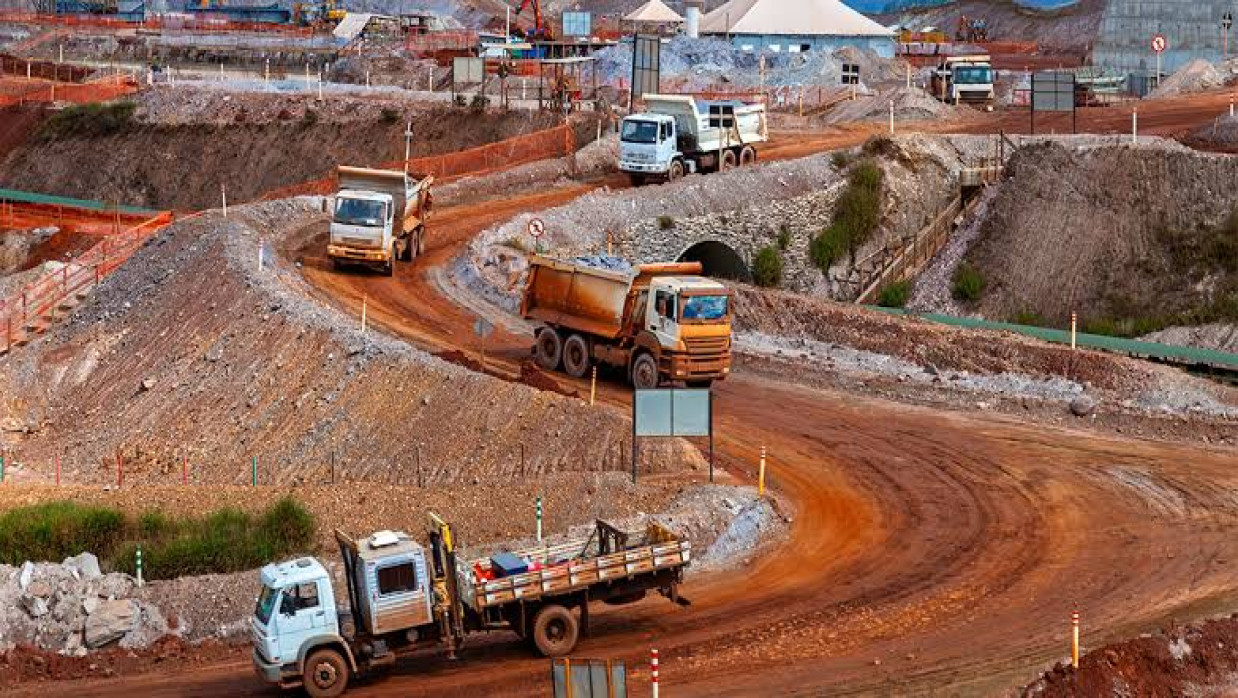
During the colonial period, gold was the backbone of Colombia’s economy, underpinning both local wealth and international trade. The extraction and export of precious metals defined regional power structures and provided the main source of fiscal revenue for colonial administrators.
By the late 19th and early 20th centuries, the country diversified into agricultural commodities such as coffee, which became a major driver of exports and rural employment. Coffee’s ascendancy marked a period of economic modernization and integration into global markets.
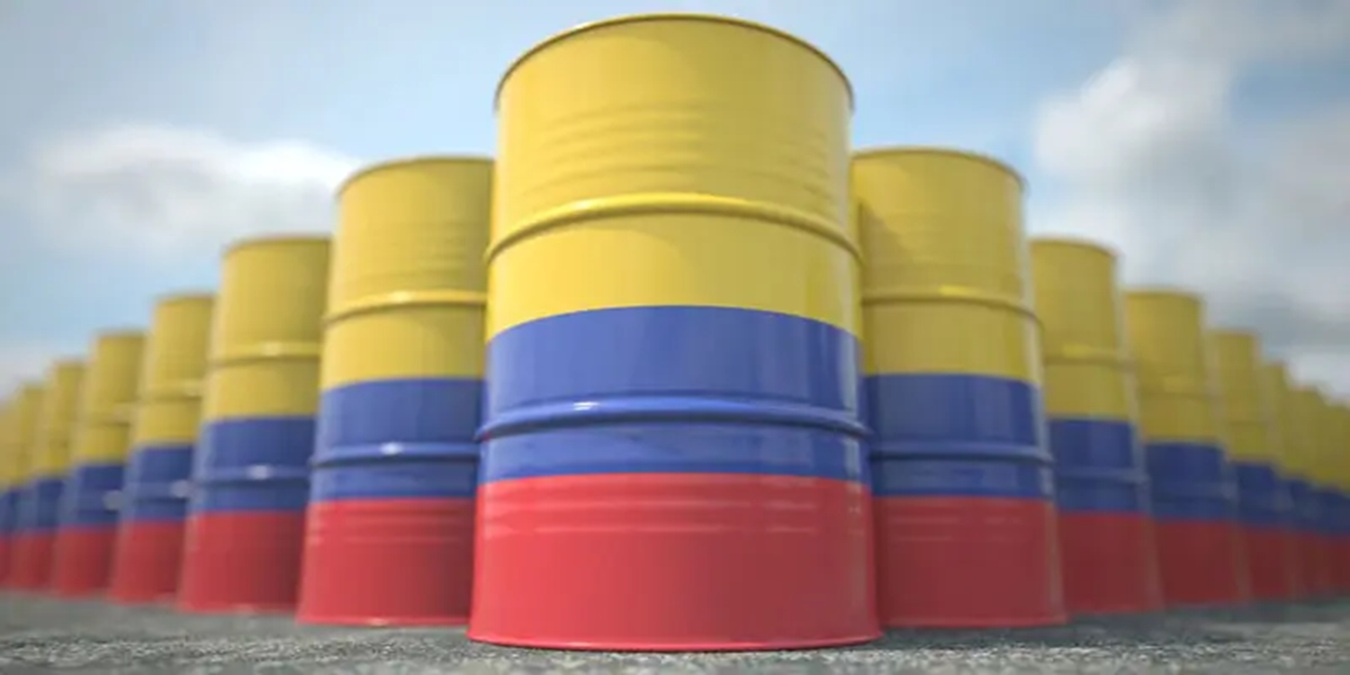
The discovery and development of oil reserves in the 20th century marked a new phase. Oil quickly supplanted gold and even coffee as Colombia’s principal export, reshaping government revenue streams and foreign investment patterns. The sector’s volatility, however, has exposed Colombia to global price shocks and raised questions about sustainable growth models.
The economic transitions outlined by LaRepublica.co highlight the challenges Colombia faces in reducing its dependence on a single commodity. The historical pattern—from gold to coffee to oil—illustrates both the country’s capacity for adaptation and the risks associated with shifting resource reliance.
For European and Latin American investors, understanding Colombia’s economic history is key to assessing its current opportunities and vulnerabilities. Policymakers continue to debate how best to foster diversification, with implications for trade, energy, and fiscal policy across the region.