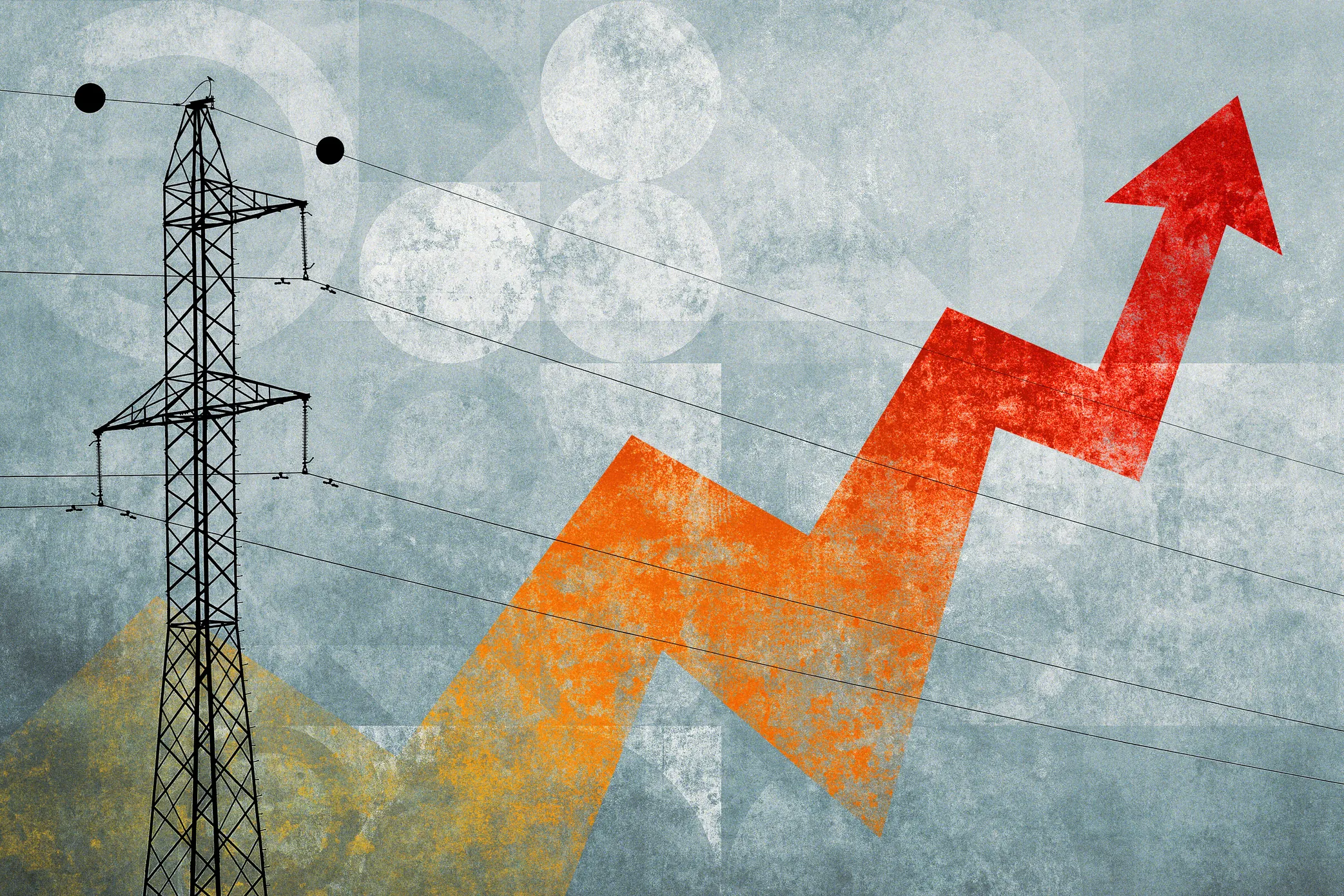
ECB faces renewed rate-hike pressure as energy drives eurozone inflation to 3.3%
Markets expect another quarter-point increase on 10 September, which would lift the deposit rate to 2.50%. But easing underlying inflation complicates the case for a more aggressive tightening cycle as policymakers assess the impact of the energy shock.

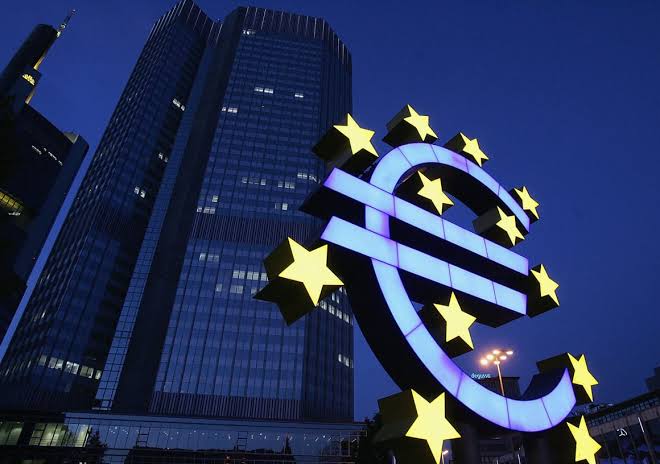
The European Central Bank is approaching its September meeting under renewed pressure to raise interest rates, after higher energy costs pushed eurozone inflation further above its medium-term target.
Financial markets are pricing in a 25-basis-point increase on 10 September, taking the deposit facility rate from 2.25% to 2.50%. That remains a market expectation, not an announced decision by the Governing Council.
Eurostat’s preliminary estimate puts annual inflation at 3.3% in August, compared with 2.9% in July. Energy prices rose 14.3% year on year, accelerating from 10.3% the previous month.
Other components moved in the opposite direction. Core inflation, which excludes energy, food, alcohol and tobacco, eased from 2.5% to 2.4%, while services inflation slowed from 3.3% to 3.0%.
Taken together, the figures suggest that the latest acceleration is concentrated in energy rather than reflecting a uniform strengthening of price pressures. That distinction matters for how far the ECB may need to tighten policy.
The central bank already raised rates in June. On 11 June, it announced an increase in the deposit rate from 2% to 2.25%, its first rise since 2023. It then kept rates unchanged at its July meeting.
A new analysis by ECB economists Kristina Barauskaitė Griškevičienė and Claus Brand, published on 1 September, examines why the current episode differs from the inflation surge of 2021–2022.
Their model attributes around 90% of the increase in energy inflation between January and May 2026 to adverse energy supply shocks. The earlier episode combined energy disruption, supply-chain constraints, recovering demand and fiscal and monetary support.
The authors argue that these differences support a more measured response today. Their estimates extend through May, not August, and the analysis does not constitute a Governing Council decision.
The policy challenge is that higher interest rates cannot directly restore disrupted energy supplies. They can, however, influence demand, financing conditions and expectations, helping prevent an initial cost shock from becoming embedded in broader price-setting.
In July, the Governing Council said it was monitoring the shock’s duration and intensity, together with its indirect and second-round effects. These include the risk that higher energy bills feed into other prices and subsequent wage negotiations.
The ECB also maintained its meeting-by-meeting approach, without committing to a predetermined path for interest rates. Its assessment combines the inflation outlook, underlying price pressures and the effects of previous monetary decisions.
The economic backdrop leaves limited room for error. The ECB’s June baseline projections put eurozone growth at 0.8% in 2026, while forecasting average inflation of 3% this year, 2.3% in 2027 and 2% in 2028. Those projections predate the latest August reading.
For businesses, another rate increase could add financing pressure to higher energy costs, particularly when taking out new loans or refinancing debt. Households seeking credit could also face more expensive borrowing, although changes in policy rates do not pass through immediately or uniformly.
The Governing Council will meet in Berlin on 9–10 September. Beyond the expected quarter-point move, the central question is whether energy inflation remains a concentrated shock or develops into a more persistent increase across the economy.
That distinction will shape whether September brings another limited adjustment or strengthens the case for further tightening.