ECB Urges Tougher EU Crypto Rules and Wider Stablecoin Interest Ban
The European Central Bank is pressing for stricter EU crypto regulation, including a broader ban on stablecoin interest and enhanced oversight of dollar-linked tokens.

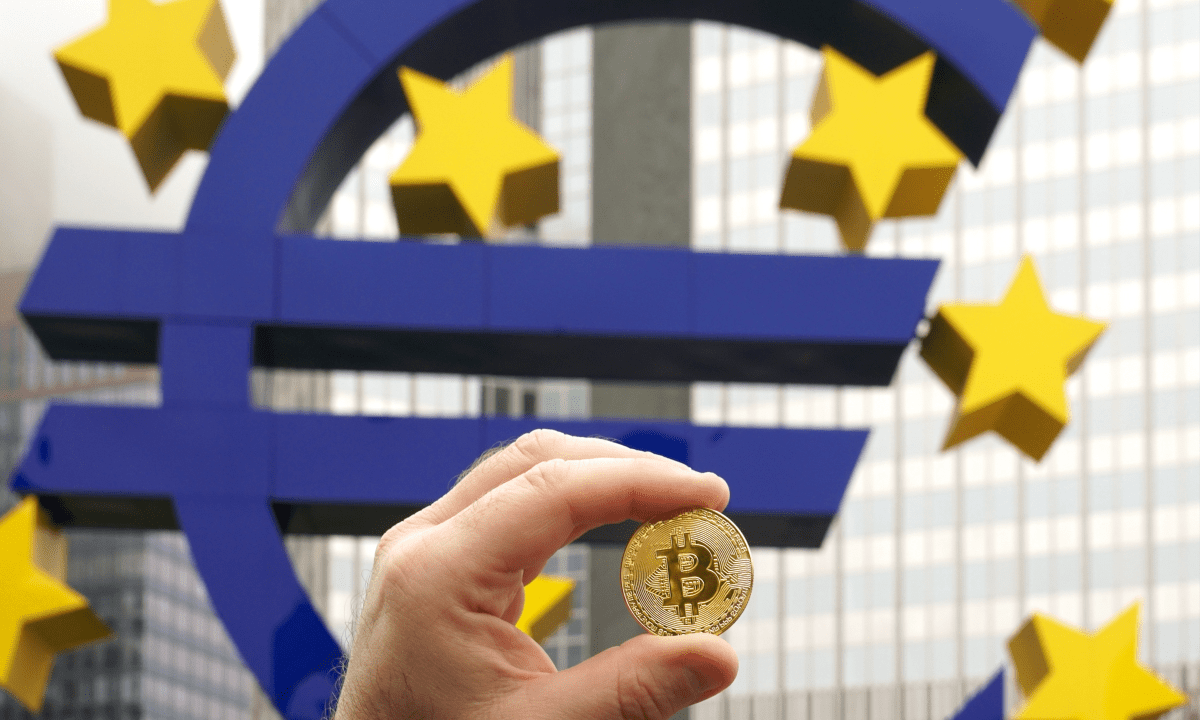
The European Central Bank (ECB) has called for tighter regulation of cryptocurrencies in the European Union, advocating for a broader prohibition on interest payments for stablecoins and stronger powers to supervise tokens linked to foreign currencies such as the US dollar.
The ECB's recommendations, published on Tuesday as part of its response to the ongoing review of the Markets in Crypto-Assets Regulation (MiCA), signal a push for more robust safeguards within the EU’s fast-growing digital asset sector. The ECB argued these measures are necessary to ensure financial stability and address emerging risks from stablecoins, which have become increasingly popular with both retail and institutional investors.
Under MiCA, which has been in force since December 2024, the final transitional deadline for existing crypto service providers expires on 1 July. This marks a shift to full regulatory compliance for all market participants, including global exchanges such as Binance.
The ECB is seeking a wider ban on interest payments to holders of stablecoins, pointing to concerns that such incentives could undermine monetary policy and encourage excessive risk-taking. It also wants to expand its powers—and those of the European System of Central Banks—to regulate stablecoins pegged to non-euro currencies, particularly the US dollar. The ECB warned that insufficient oversight of these assets could pose risks to the euro area’s financial system, especially if foreign-linked stablecoins gain significant market share.
The Commission’s public consultation on MiCA will remain open until 30 September, a deadline extended by one month. EU diplomats expect a formal revision of MiCA in 2027, which would require approval from the European Parliament and EU member states.
For cryptocurrency firms and stablecoin issuers, the ECB’s proposals could mean higher compliance costs and limitations on product offerings, potentially reducing competition and consumer choice. However, the recommendations may also deliver greater regulatory clarity and stability, which some market participants see as essential for long-term growth.
The ECB’s intervention places renewed focus on the diverging approaches to crypto regulation between the EU and other major economies, notably the US. As the EU moves towards stricter oversight of stablecoins, the outcome will shape the region’s attractiveness for digital asset innovation and investment over the coming years.