Brazil Central Bank Cuts Rate to 13.75% Ahead of Presidential Election
Brazil's central bank is set to lower its key interest rate by 0.25 points to 13.75% in its final move before the presidential vote, a decision with potential implications for business, consumers and the political landscape.
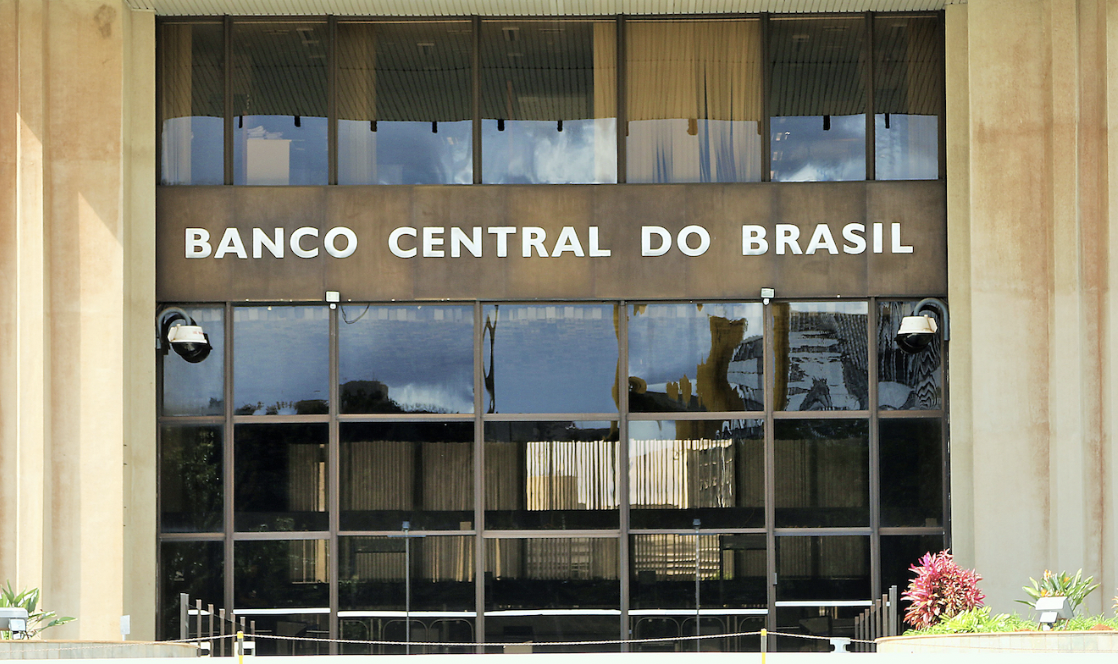
Brazil’s central bank is set to reduce its benchmark interest rate by 0.25 percentage points to 13.75%, marking its final monetary policy decision before the country heads to the polls for a critical presidential election.
The anticipated cut reflects a cautious approach by the central bank, balancing the need to stimulate economic activity through lower borrowing costs against persistent economic uncertainty in an increasingly competitive electoral environment.
Lower interest rates are expected to ease financing conditions for Brazilian businesses and households, potentially boosting investment and consumer spending at a politically sensitive moment. The timing raises the prospect that the rate cut could influence voter sentiment by improving economic conditions on the eve of the election.
Presidential candidates are likely to scrutinize the central bank’s move, as their economic platforms may shape expectations for future policy. Investors and companies will be watching for signals about how the next administration intends to manage inflation, public spending and future interest rate decisions.
While the rate cut could attract foreign investment if confidence in Brazil’s economic outlook improves after the election, the risk of increased market volatility remains high. Investor sentiment may fluctuate amid uncertainty over which candidate will ultimately shape the country’s macroeconomic direction.
For European companies and investors with exposure to Brazil, the policy shift presents both opportunity and risk. Lower rates could support demand for imported goods and services, but any post-election policy shifts could rapidly alter the investment landscape.
As the central bank acts to support growth, the outcome of the presidential election will be decisive in determining whether current economic momentum can be sustained—or whether new policy directions will prompt further adjustments to monetary policy.