
EU Completes Approval of New Trade Agreement with Mexico, Clearing the Way for Entry into Force
The modernized accord is expected to strengthen bilateral trade, improve market access for more than 45,000 European companies, and deepen economic integration between Europe and Latin America.

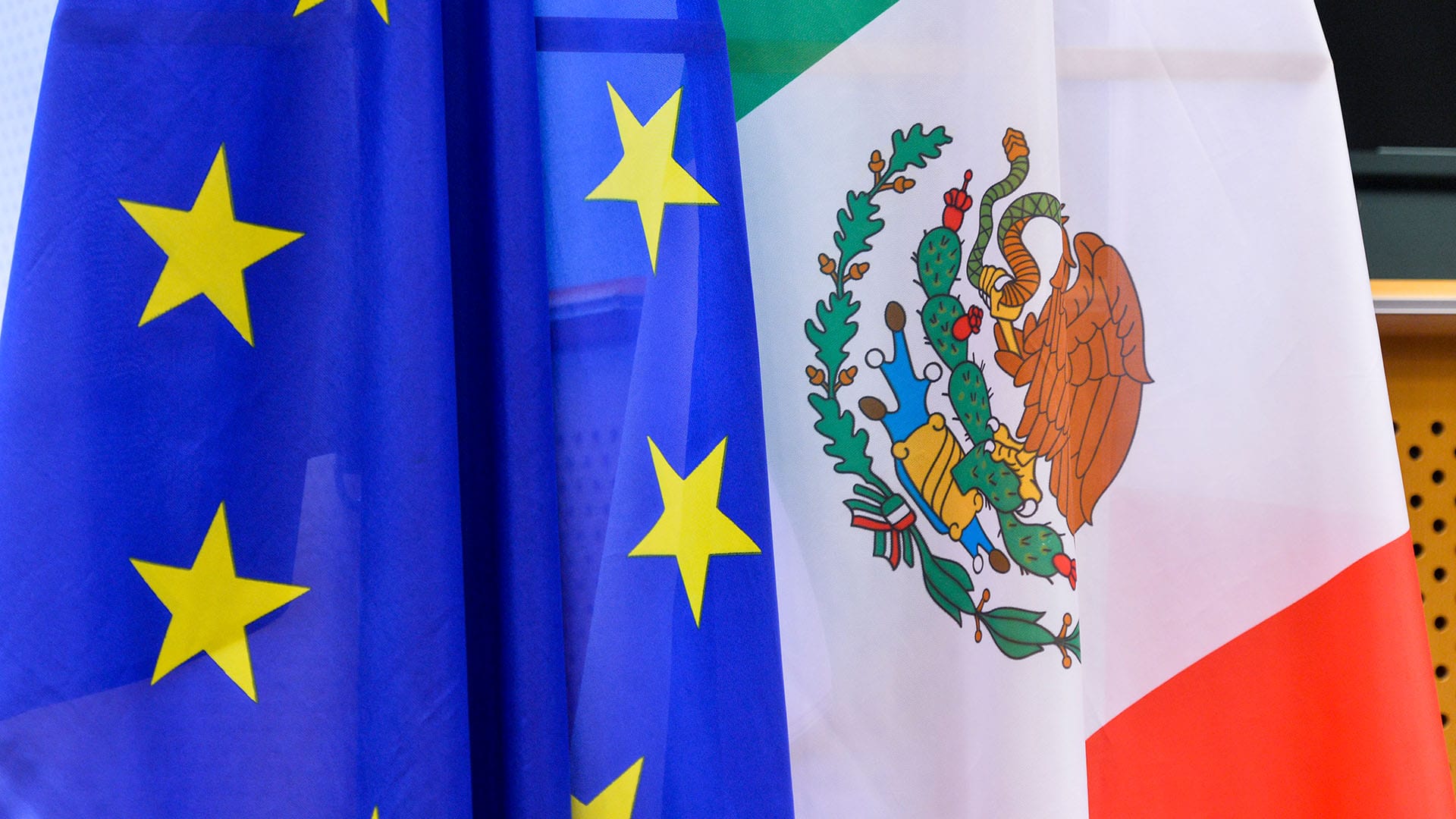
The European Union has taken the final institutional step toward implementing its modernized trade agreement with Mexico, reinforcing one of its most important economic partnerships in Latin America.
The Council of the European Union formally approved the Interim Agreement on Trade (ITA), completing the EU's internal ratification process after the agreement was signed during the EU–Mexico Summit on 22 May and endorsed by the European Parliament earlier this month.
The decision paves the way for the agreement to enter into force once Mexico concludes its own domestic approval procedures, expected after the summer.
A modernized framework for EU–Mexico trade
The ITA updates the trade chapter of the broader EU–Mexico Global Agreement, adapting bilateral economic relations to today's global trading environment.
The agreement is designed to facilitate trade and investment by eliminating most of the remaining customs duties between both partners, expanding opportunities for service providers and investors, and improving access to public procurement markets.
It also introduces modern provisions covering digital trade, intellectual property, customs cooperation, trade facilitation, competition policy and critical raw materials, reflecting the strategic priorities of both economies.
More opportunities for European businesses
According to the Council of the European Union, the agreement is expected to benefit more than 45,000 European companies currently exporting to Mexico, the vast majority of them small and medium-sized enterprises (SMEs).
By reducing administrative barriers and improving legal certainty, the ITA seeks to make it easier for European businesses to expand operations in one of Latin America's largest economies.
The agreement also strengthens the protection of European geographical indications, providing additional safeguards for food and beverage products whose quality and reputation are linked to specific regions across the European Union.
A strategic partnership gains momentum
The approval comes at a time when the European Union is accelerating efforts to deepen its economic engagement with Latin America.
Alongside the expected conclusion of the EU–Mercosur Agreement, the modernization of the EU–Mexico relationship forms part of Brussels' broader strategy to diversify trade partnerships, strengthen supply chains and secure access to strategic industries and critical raw materials.
For Mexico, the agreement further consolidates its position as one of the European Union's closest economic partners outside Europe, while offering domestic companies greater access to one of the world's largest single markets.
Entry into force expected after Mexico's ratification
Because trade policy falls under the European Union's exclusive competence, the ITA did not require approval by individual EU member states.
The agreement will enter into force on the first day of the second month after both parties formally notify each other that their internal legal procedures have been completed.
Mexico is expected to finalize its ratification process in the coming months.
Following the exchange of notifications, businesses on both sides of the Atlantic will have a two-month preparation period before the new trade rules become applicable.
The Interim Agreement will remain in force until the broader Modernized EU–Mexico Global Agreement enters into effect, at which point it will be replaced by the comprehensive framework governing political, economic and cooperation relations between both partners.
For Europe and Latin America, the decision represents another milestone in strengthening one of the world's most significant interregional trade relationships, creating new opportunities for investment, innovation and sustainable economic growth.