EU–Mexico Trade Deal Opens New Opportunities for 45,000 European Companies
The modernized trade agreement between the European Union and Mexico is expected to strengthen investment, expand market access and create new business opportunities for around 45,000 European companies already exporting to the Mexican market, while reinforcing economic ties between Europe and Latin America.

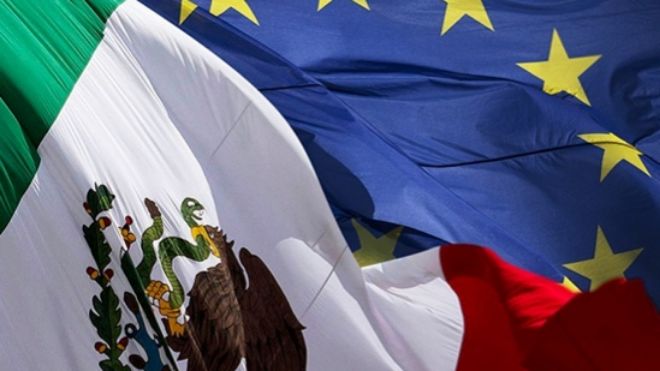
The modernized EU–Mexico Trade Agreement is emerging as one of the European Union's most significant trade initiatives in Latin America, promising to deepen economic integration between the two partners while creating new opportunities for thousands of businesses on both sides of the Atlantic.
According to European institutions, approximately 45,000 European companies currently export goods to Mexico, many of them small and medium-sized enterprises that stand to benefit from simpler trade procedures, improved market access and greater legal certainty under the new framework.
The agreement, signed in May 2026, modernizes the original EU–Mexico partnership established in 2000 and reflects a broader European strategy to diversify trade relationships and strengthen economic resilience amid growing geopolitical uncertainty.
Beyond eliminating tariffs, the new framework significantly expands access for European businesses across a range of strategic sectors.
Companies will enjoy improved opportunities to participate in public procurement projects, provide financial, telecommunications and transport services, expand digital trade activities and increase investment throughout Mexico under more predictable regulatory conditions.
The agreement also introduces measures designed specifically to support SMEs by simplifying administrative procedures and reducing technical barriers that have traditionally limited international expansion.
Agriculture is expected to be among the major beneficiaries.
Mexico will eliminate approximately 95% of its remaining tariffs on European agricultural exports, opening new opportunities for producers of dairy products, meat, wine, olive oil and other food products. In addition, hundreds of European geographical indications—including internationally recognized food and beverage brands—will receive legal protection in the Mexican market.
The partnership extends well beyond trade in goods.
The agreement strengthens cooperation in areas including critical raw materials, digital commerce, sustainable development, environmental protection and labor standards, reflecting the growing role of trade policy as an instrument for economic security and industrial competitiveness.
Mexico has become one of the European Union's most important economic partners in Latin America.
Bilateral trade in goods reached approximately €87 billion in 2025, while European investment in Mexico exceeded €200 billion, highlighting the depth of the economic relationship between both regions.
For Europe, the agreement represents more than expanded commercial access.
At a time when global supply chains are being reconfigured and companies are seeking to diversify production and sourcing strategies, Mexico offers European businesses a strategic manufacturing platform with preferential access to North American markets.
For Mexico, the deal reinforces its position as a gateway between Europe and the Americas while attracting new investment in advanced manufacturing, technology, infrastructure and sustainable industries.
As European lawmakers continue advancing the ratification process, many business leaders see the agreement as a signal that the European Union intends to strengthen long-term partnerships with reliable international partners.
For the thousands of European companies already operating in the Mexican market—and many more considering international expansion—the agreement could mark the beginning of a new phase of transatlantic business cooperation built around investment, innovation and sustainable growth.