
EU fuel prices reach record highs as diesel refining margins remain under pressure
Petrol and diesel costs have climbed to their highest levels since the European Commission began compiling comparable data in 2005. ECB specialists expect diesel refining margins to peak in October, leaving businesses and consumers exposed to further transport-cost pressures.

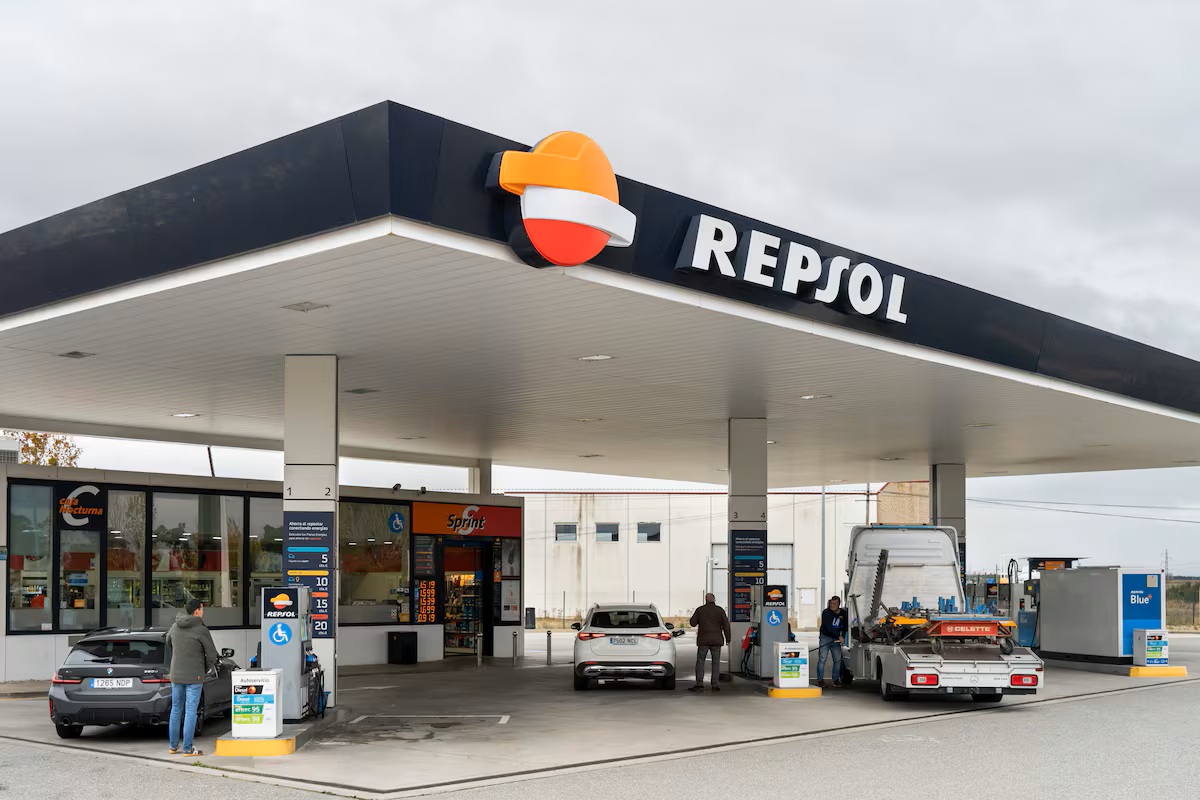
Fuel prices across the European Union have reached record levels as disruptions to crude supplies, constrained refining capacity and elevated processing margins continue to affect the cost of road transport.
The EU’s weighted average petrol price stood at €2.063 per litre on 14 September, while diesel reached €2.159 per litre, according to the European Commission’s latest Weekly Oil Bulletin. Both figures were the highest recorded since the data series began in 2005.
At those prices, filling a 50-litre tank costs approximately €103 for petrol and €108 for diesel. The increase has direct implications for households, logistics operators, manufacturers and agricultural businesses, while also creating additional inflationary pressure across the European economy.
Since the beginning of 2026, average petrol prices in the bloc have risen by around 29%, while diesel has increased by almost 40%.
Large differences between EU markets
The averages conceal substantial variations between member states because retail fuel prices are influenced by national taxes, distribution costs, market structures and government support measures.
Petrol ranged from approximately €1.34 per litre in Malta to €2.56 in Denmark. Diesel prices extended from €1.21 per litre in Malta to €2.51 in Finland.
Taxes account for a significant share of the final amount paid by motorists. European Central Bank calculations indicate that excise duties and value-added tax represent approximately 52% of the petrol price and 44% of the diesel price in the euro area.
Crude oil itself accounts for less than one-quarter of the final pump price. Refining, distribution, retail margins and taxation make up the remainder, meaning that a decline in international oil prices does not necessarily translate immediately or proportionally into lower costs for consumers.
Refining margins emerge as a central factor
ECB specialists expect European diesel refining margins to reach their highest point in October, based on futures-market information available in mid-September. Petrol margins are believed to have peaked in August.
Refining margins measure the difference between the value of finished fuels and the cost of the crude oil used to produce them. They tend to increase when refinery capacity is constrained, inventories fall or demand for particular products exceeds available supply.
During the third week of September, refining margins contributed an estimated €0.41 per litre, or around 19% of the retail price, to diesel sold in the euro area. For petrol, the contribution was approximately €0.17 per litre, equivalent to around 8% of the pump price.
Diesel has been particularly affected because of its importance to European freight transport, industrial activity and agriculture. Supply interruptions at refineries can therefore have a wider economic impact than the immediate increase faced by private motorists.
Middle East disruption reshapes the market
The latest increase began after the escalation of the conflict involving Iran at the end of February disrupted energy flows through the Strait of Hormuz, one of the world’s most important oil transit routes.
Brent crude subsequently climbed above the equivalent of €110 per barrel before easing. By Friday, it remained above approximately €90.80, compared with around €62.80 before the conflict intensified.
European refiners are also facing uncertainty surrounding future deliveries from the Middle East. Reports indicated that Saudi Aramco had informed at least two European customers that it would be unable to fulfil some long-term crude supply commitments in October following an attack on Saudi Arabia’s East-West pipeline.
At the same time, disruptions affecting Russian refining capacity have tightened the global market for diesel and other refined products. This means European refining margins could remain elevated even if crude flows through the Middle East begin to normalise.
The ECB estimates that increases in crude prices are generally passed through almost completely to pre-tax fuel prices within one or two months. However, the speed and scale of that transmission depend on refining conditions, inventories, exchange rates and competition within national retail markets.
New challenge for inflation and monetary policy
Rising fuel costs are already feeding into broader price indicators. Eurozone energy inflation accelerated to 14.3% in August, up from 10.3% in July.
More expensive diesel increases the cost of transporting goods, operating machinery and maintaining industrial supply chains. Those additional expenses can eventually reach consumers through higher prices for food, manufactured products and services.
The ECB has warned that renewed energy-supply disruptions could keep inflation higher for longer. Persistent fuel-price pressure may complicate the central bank’s efforts to balance inflation control with the need to support economic activity.
A sustained decline in prices would probably require several developments: an easing of the Middle East conflict, the restoration of normal shipping through the Strait of Hormuz, the recovery of damaged refining capacity and the rebuilding of fuel inventories.
Until those conditions emerge, European businesses and consumers are likely to face elevated transport costs, with diesel remaining the most exposed segment of the fuel market.