EU–Mercosur Deal Moves Into Provisional Application as Europe Seeks Trade Shield Against US Tariffs
The European Union will begin applying the Mercosur trade agreement provisionally from May 1, aiming to support exporters, diversify supply chains and strengthen ties with South America amid rising US trade pressure.

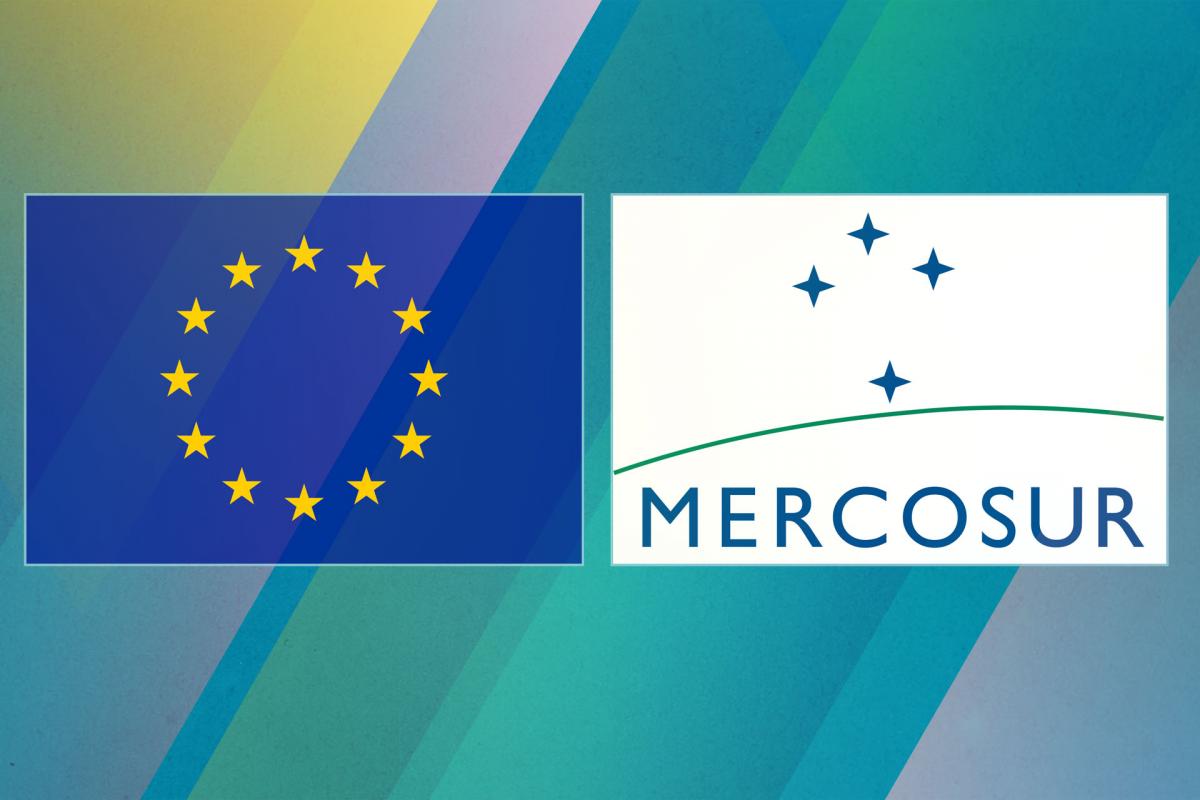
The European Union is moving ahead with the provisional application of its long-negotiated trade agreement with Mercosur, marking a decisive step in one of the world’s most strategically important trade negotiations.
The agreement is set to begin provisional application on May 1, even as legal and political challenges continue inside Europe. The European Parliament has challenged the deal before the EU’s top court, but the European Commission decided to proceed with the commercial provisions while the broader ratification process continues.
For Brussels, the timing is critical. The bloc is trying to limit the economic impact of new US tariffs and strengthen its global trade network at a moment when protectionism and geopolitical competition are reshaping international commerce.
Supporters of the agreement, including Germany and Spain, argue that the pact will open new opportunities for European exporters while reducing dependency on China for critical minerals and strategic supply chains. The deal is also expected to lower tariffs across a wide range of products, making it the EU’s largest agreement in terms of tariff reductions after 25 years of negotiations.
The agreement remains controversial. France and other critics warn that cheaper imports of beef and sugar could hurt European farmers, while environmental groups argue that expanded trade could increase pressure on South American ecosystems, including the Amazon rainforest.
Still, the European Commission is betting that early commercial benefits will make the pact harder to reverse. If EU companies begin to see improved market access in Brazil, Argentina, Uruguay and Paraguay, supporters hope the political case for full ratification will strengthen over time.
The broader context is a global trade realignment. Since the return of Donald Trump to the White House, the EU has accelerated trade negotiations with multiple partners, including India, Indonesia, Australia and Mexico. The Mercosur agreement is part of that wider strategy to defend open trade and reduce exposure to both US tariffs and Chinese industrial dominance.
The economic benefits may be modest in GDP terms, but the strategic value is larger. The agreement gives European companies a stronger position in South America, where Chinese firms have expanded aggressively in sectors such as vehicles, machinery, infrastructure and energy transition technologies.
For Mercosur countries, the deal offers greater access to the European market and a chance to deepen trade diversification. For Europe, it provides a platform to secure partners in agriculture, energy, minerals and industrial supply chains at a time when global trade is becoming more fragmented.
The main challenge will be implementation. Regulatory alignment, environmental safeguards and political resistance in Europe could still shape the pace and depth of the agreement’s impact. But the provisional start marks a clear signal: Brussels wants to move quickly before competitors consolidate more ground in Latin America.
The EU–Mercosur agreement is no longer just a trade deal. It is becoming a strategic tool for Europe to defend its exporters, diversify supply chains and strengthen its position in Latin America as global trade tensions intensify.