
EU Votes to Ban Brazilian Meat Imports Days After Mercosur Deal Begins
The European Parliament backed a ban on Brazilian meat imports over food safety concerns, adding new tension to EU–Mercosur trade relations just days after the agreement entered provisional application.

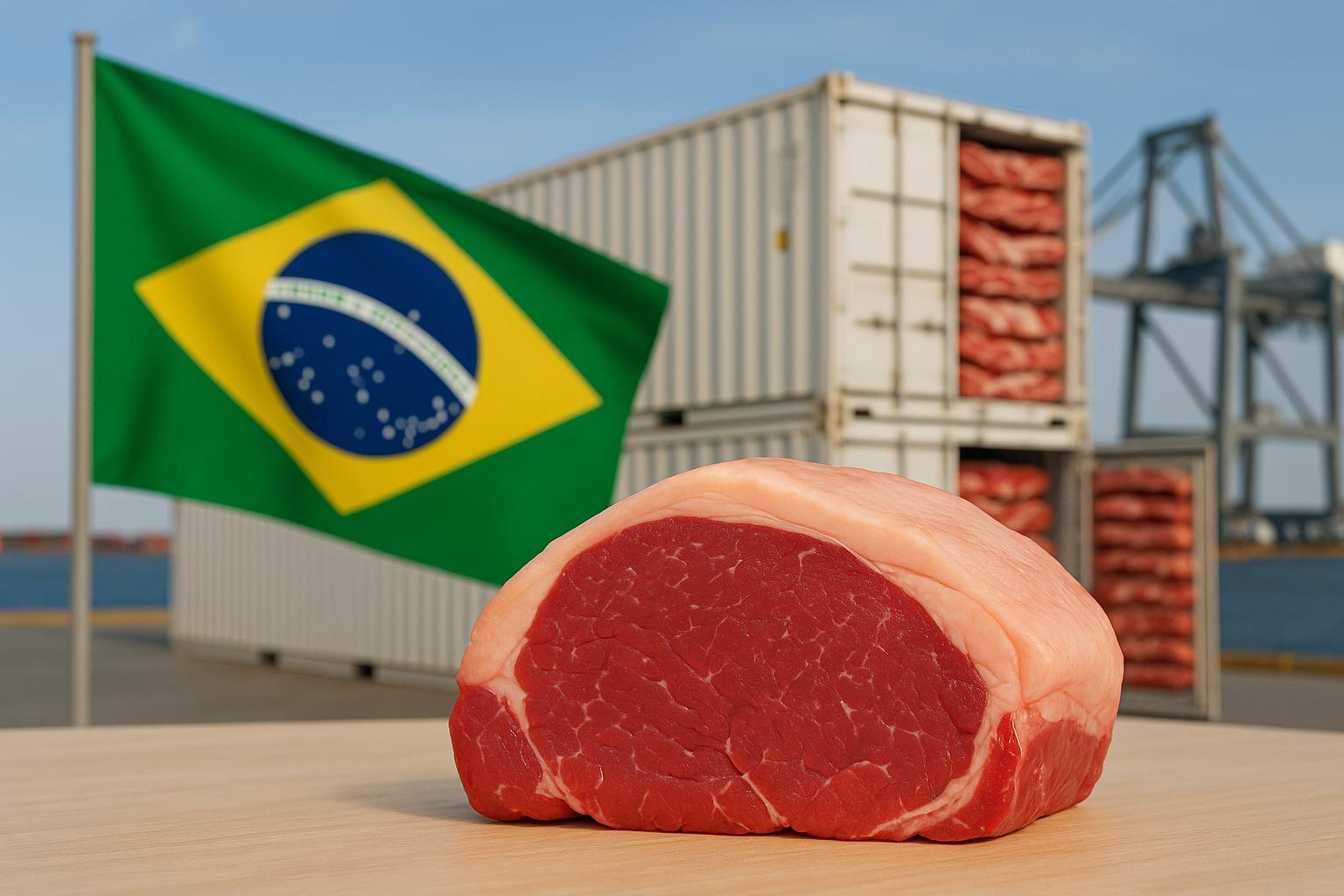
The European Parliament voted to ban imports of Brazilian meat into the European Union after concerns over violations of EU food safety standards, opening a new front of tension in the relationship between Europe and Latin America’s largest agricultural exporter.
The vote comes only days after the EU–Mercosur agreement began provisional application, creating a politically sensitive contrast between Europe’s push for deeper trade ties with South America and its stricter regulatory approach to agricultural imports.
The measure is tied to concerns over the use of growth-promoting hormones and other substances prohibited under EU rules. European lawmakers argued that imported meat must comply with the same safety and production standards required from producers inside the bloc.
For Brazil, the decision represents a challenge to one of its most important export sectors. The country is a global powerhouse in beef and poultry, and any restriction from the European market could affect trade flows, industry confidence and negotiations around future market access.
The timing is especially significant because agriculture remains one of the most contested areas in the EU–Mercosur relationship. European farmers have long warned that South American meat imports could create unfair competition if producers are not held to the same environmental, sanitary and traceability standards.
For the European Union, the vote reinforces a broader message: trade expansion will not come at the expense of regulatory control. Brussels continues to frame food safety, sustainability and traceability as non-negotiable conditions for market access.
The decision could also raise pressure on Brazilian exporters to strengthen certification systems, improve traceability and demonstrate full compliance with European standards. In a more regulated global food market, competitiveness increasingly depends not only on scale and price, but also on transparency and compliance.
For Latin America, the episode is a warning signal. The EU–Mercosur deal may open new opportunities, but access to Europe will depend on meeting some of the world’s strictest regulatory requirements.
The EU vote to ban Brazilian meat imports shows that the new EU–Mercosur era will be shaped not only by tariff reductions, but by food safety, traceability and regulatory standards.