EU-Mexico Trade Pact Set to Deepen Investment, Market Access and Business Cooperation
The modernized trade agreement between the European Union and Mexico is expected to significantly strengthen economic ties by reducing tariffs, expanding access to public procurement markets and enhancing the protection of geographical indications (GIs). The updated framework is designed to boost bilateral trade, encourage investment and create new opportunities for businesses on both sides of the Atlantic.

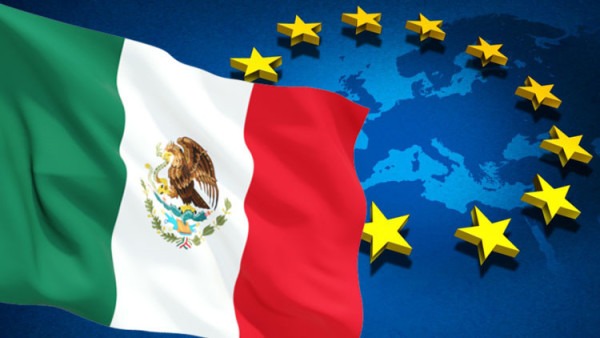
The European Union and Mexico are entering a new phase in their economic relationship following the conclusion of negotiations to modernize their Global Agreement, one of the bloc's most comprehensive trade partnerships outside Europe.
The updated agreement goes beyond tariff reductions, introducing new provisions on public procurement, digital trade, sustainable development and stronger intellectual property protections. Together, these measures aim to facilitate cross-border business while reinforcing long-term economic cooperation between Europe and Latin America's second-largest economy.
The modernization reflects the EU's broader strategy of diversifying trade partnerships amid an increasingly fragmented global economy.
Lower tariffs and broader market access
One of the agreement's most significant benefits will be the further elimination of tariffs on industrial and agricultural goods, reducing costs for exporters and improving market access for companies across multiple sectors.
European manufacturers are expected to gain easier access to Mexico's market, while Mexican exporters will benefit from simplified entry into the EU, strengthening supply chains in industries such as automotive, agri-food, pharmaceuticals and advanced manufacturing.
For businesses operating across Europe and Latin America, the updated rules are expected to improve predictability and reduce administrative barriers to trade.
Opening public procurement markets
The agreement also expands opportunities for European companies to participate in Mexican public procurement projects at both federal and sub-federal levels.
The new provisions increase transparency and create a more level playing field for firms competing for government contracts in areas including infrastructure, transportation, healthcare, energy and public services.
For Mexico, broader participation by European companies could support technology transfer, infrastructure modernization and increased foreign direct investment.
Stronger protection for European quality products
A central element of the agreement is the enhanced protection of Geographical Indications (GIs), safeguarding hundreds of European products whose reputation is linked to specific regions.
Foods and beverages such as cheeses, wines, spirits and other specialty products will receive stronger legal recognition in Mexico, helping European producers combat imitation products while reinforcing consumer confidence.
The measure is expected to benefit many small and medium-sized enterprises that rely on premium regional brands as part of their international growth strategy.
Digital trade and sustainability gain prominence
Unlike the original agreement signed more than two decades ago, the updated framework incorporates provisions addressing today's digital economy.
The new rules support electronic commerce, facilitate cross-border data flows under agreed safeguards and promote cooperation on innovation and emerging technologies.
The agreement also includes commitments on environmental protection, labor standards and sustainable development, reflecting the EU's growing emphasis on integrating climate and social considerations into its international trade policy.
A strategic partnership for Europe and Latin America
Mexico remains one of the European Union's largest trading partners in Latin America and an important destination for European investment.
The modernized agreement is expected to strengthen business confidence, diversify supply chains and encourage new investment at a time when companies are seeking greater resilience in global production networks.
For Europe, the updated partnership reinforces its economic presence in Latin America while offering businesses improved access to one of the region's most dynamic manufacturing and export economies.