
European Central Bank Selects 36 Payment Providers to Advance the Digital Euro Project
The European Central Bank (ECB) has selected 36 payment service providers to participate in the pilot phase of the digital euro, marking a major milestone in the development of the European Union's future central bank digital currency. The year-long pilot will begin in the second half of 2027 and is intended to test the technical infrastructure, payment processes and user experience ahead of a potential launch in 2029.

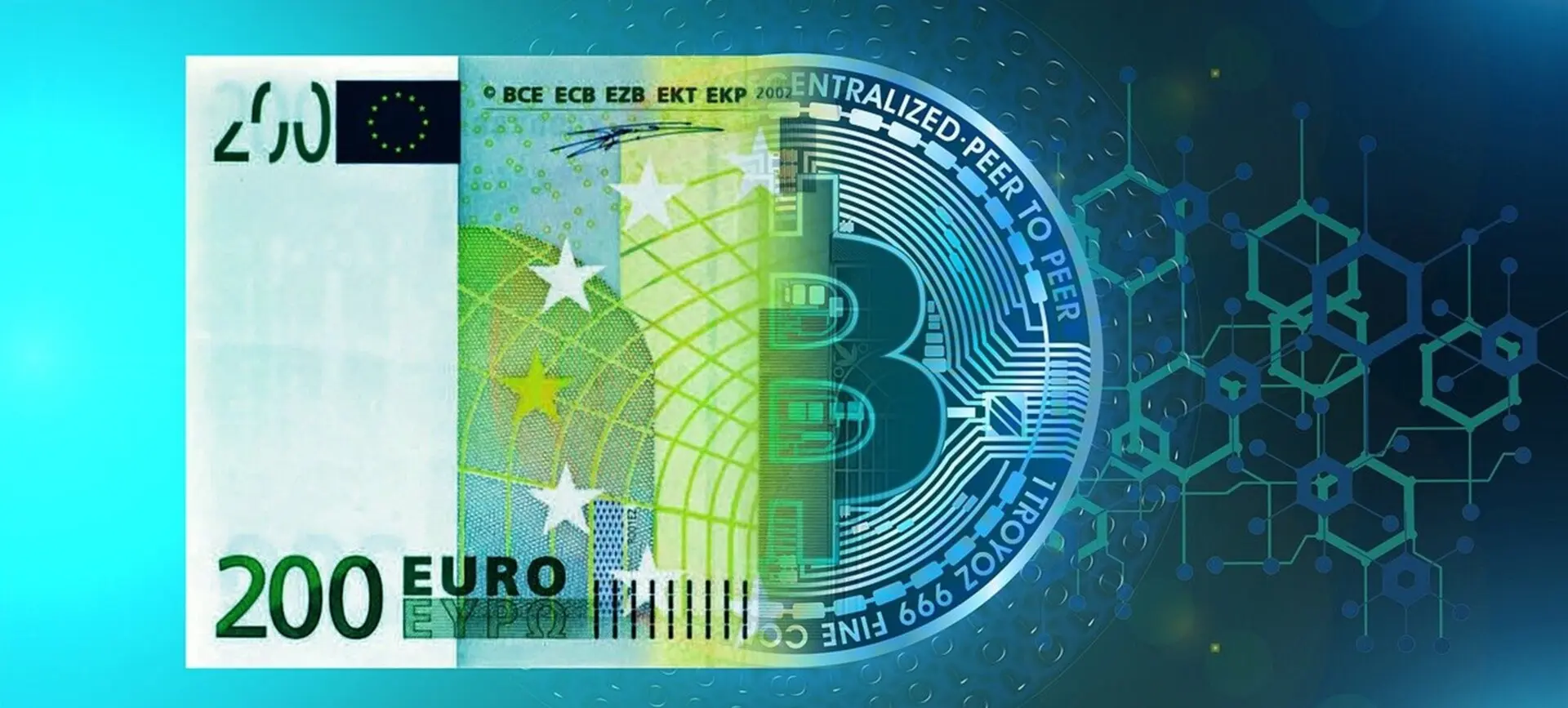
The European Central Bank has taken another decisive step toward creating a digital version of the euro by selecting 36 payment service providers (PSPs) from across the euro area to participate in a large-scale pilot program.
The initiative is part of the ECB's long-term strategy to develop the digital euro, a central bank digital currency (CBDC) designed to complement cash while strengthening Europe's payment sovereignty and reducing dependence on foreign payment networks such as Visa and Mastercard.
The pilot is scheduled to begin during the second half of 2027 and will run for 12 months, allowing the ECB and participating institutions to evaluate the digital euro's technical performance, operational processes and customer experience before any formal issuance.
A broad coalition of financial institutions
More than 50 companies applied to join the program, reflecting strong interest from the European payments industry.
Among the selected participants are some of Europe's largest financial institutions, including Deutsche Bank, UniCredit, Revolut, SumUp and several national banking groups, representing a broad mix of traditional banks, fintech companies and payment specialists.
The pilot will involve the ECB together with 19 national central banks across the euro area. Bulgaria and Malta will not participate at this stage because they are not yet part of the operational framework for the exercise.
Spain secures strong representation
Spain will play an active role in the project through two selected groups of payment providers.
One consortium includes Abanca, Ibercaja, Unicaja, Cecabank, Bizum and Deloitte, while Uinku Payments (Sipay) was also selected independently to participate in the testing process.
The Banco de España will work alongside the ECB and other Eurosystem central banks during the pilot, supporting the technical validation of the future digital currency.
Testing real-world payments
Unlike previous research phases, the pilot will simulate real payment scenarios using a beta version of the digital euro.
Participants will test:
Person-to-person payments.
Payments to merchants.
Online and offline transactions.
In-store and e-commerce purchases.
Mobile and contactless payment technologies.
Although the beta version will closely resemble the final digital euro, it will not have legal tender status during the pilot phase.
A strategic project for Europe's financial autonomy
The digital euro has become one of the European Union's flagship financial initiatives.
Brussels argues that a European digital currency would reduce the bloc's dependence on non-European payment infrastructures while strengthening monetary sovereignty in an increasingly digital economy.
The project also seeks to ensure that citizens retain access to public money in digital form as cash usage gradually declines across Europe.
Launch targeted for 2029
The ECB hopes the digital euro will become available to consumers in 2029, provided that the necessary European legislation is approved before the end of this year.
Following the European Parliament's recent support for advancing negotiations, the project has entered one of its most important operational phases.
For European banks, fintech companies and payment providers, the pilot offers an opportunity to help shape the infrastructure of what could become one of the continent's most significant financial innovations in decades.