
Spain Nominates Pablo Hernández de Cos for Historic Bid to Lead the European Central Bank
Spain has formally nominated Pablo Hernández de Cos, former governor of the Bank of Spain and current General Manager of the Bank for International Settlements (BIS), to become the next President of the European Central Bank (ECB). The move marks Madrid's first attempt to secure the institution's top position and reflects the country's ambition to strengthen its influence over eurozone monetary policy.

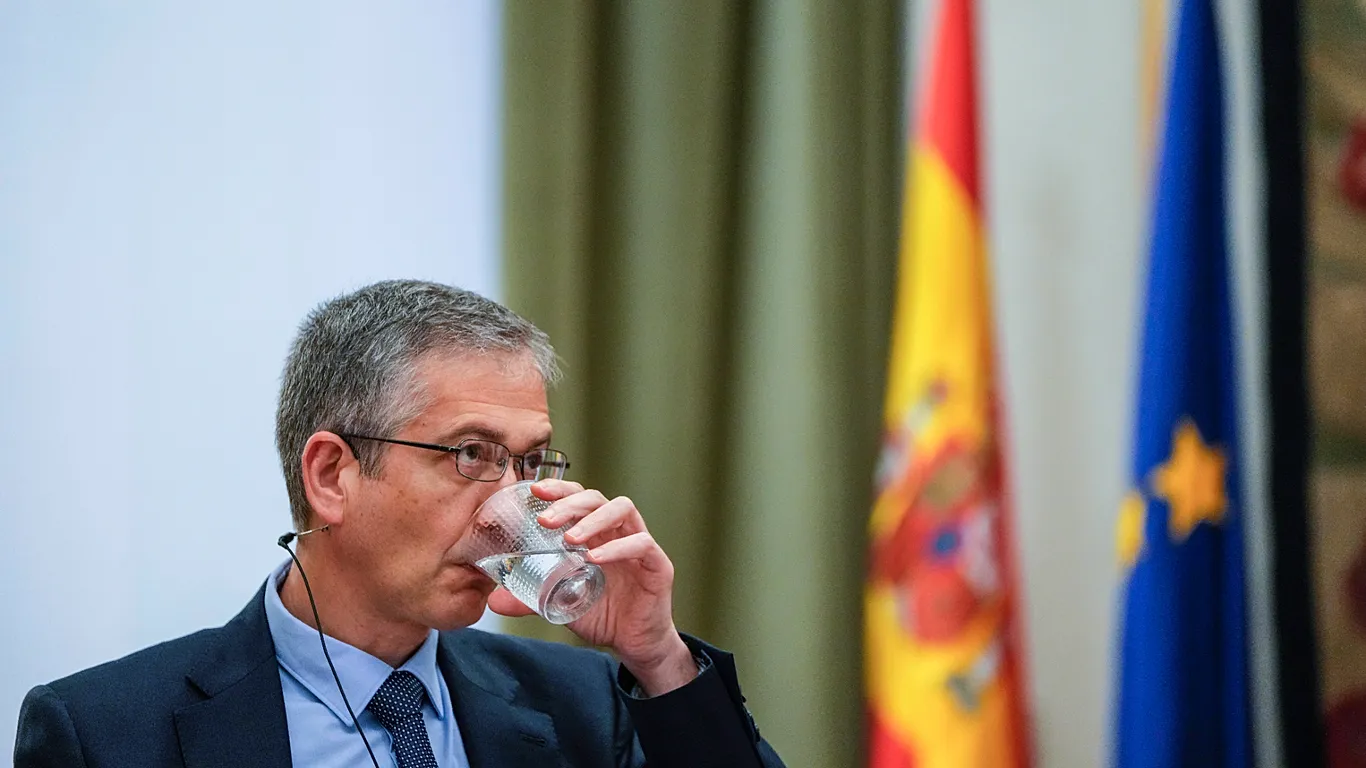
The Spanish government has officially backed Pablo Hernández de Cos as its candidate to succeed Christine Lagarde as President of the European Central Bank, launching what would be Spain's first campaign to lead the Frankfurt-based institution since the euro was created.
The nomination comes as speculation grows that Lagarde could leave the ECB before the scheduled end of her mandate in October 2027, potentially accelerating the succession process. While no official vacancy has been announced, European capitals are increasingly positioning potential candidates for one of the bloc's most influential economic posts.
A respected central banker
Hernández de Cos brings extensive international experience to the race. He served as Governor of the Bank of Spain between 2018 and 2024, was a member of the ECB's Governing Council during that period, chaired the Basel Committee on Banking Supervision and has led the Bank for International Settlements since 2025.
His technical profile has earned broad recognition among economists, with several international surveys placing him among the strongest contenders to lead the ECB thanks to his experience in monetary policy, banking supervision and financial stability.
A strategic move for Spain
For Madrid, the nomination goes beyond supporting a highly regarded economist. Spain is seeking to regain a prominent role in the ECB's leadership after the departure of former Vice-President Luis de Guindos, leaving the country without representation on the institution's six-member Executive Board.
Securing the presidency would significantly increase Spain's influence over decisions affecting interest rates, inflation, financial regulation and the broader direction of eurozone monetary policy.
Competition for Europe's top monetary post
The selection process is expected to attract several high-profile candidates from across the euro area, including officials from Germany and the Netherlands. The final appointment will require political consensus among eurozone finance ministers and approval by EU leaders, making the process as much diplomatic as technical.
For businesses and investors, the leadership transition at the ECB will be closely watched as the institution navigates persistent inflation pressures, economic competitiveness and the financing of Europe's long-term industrial and digital transformation.