European Union Places Argentine Mining as Its Top Investment Priority
EU officials say Argentina is strategically positioned to attract long-term mining capital, with critical minerals, Global Gateway financing and geopolitical supply diversification driving European interest.

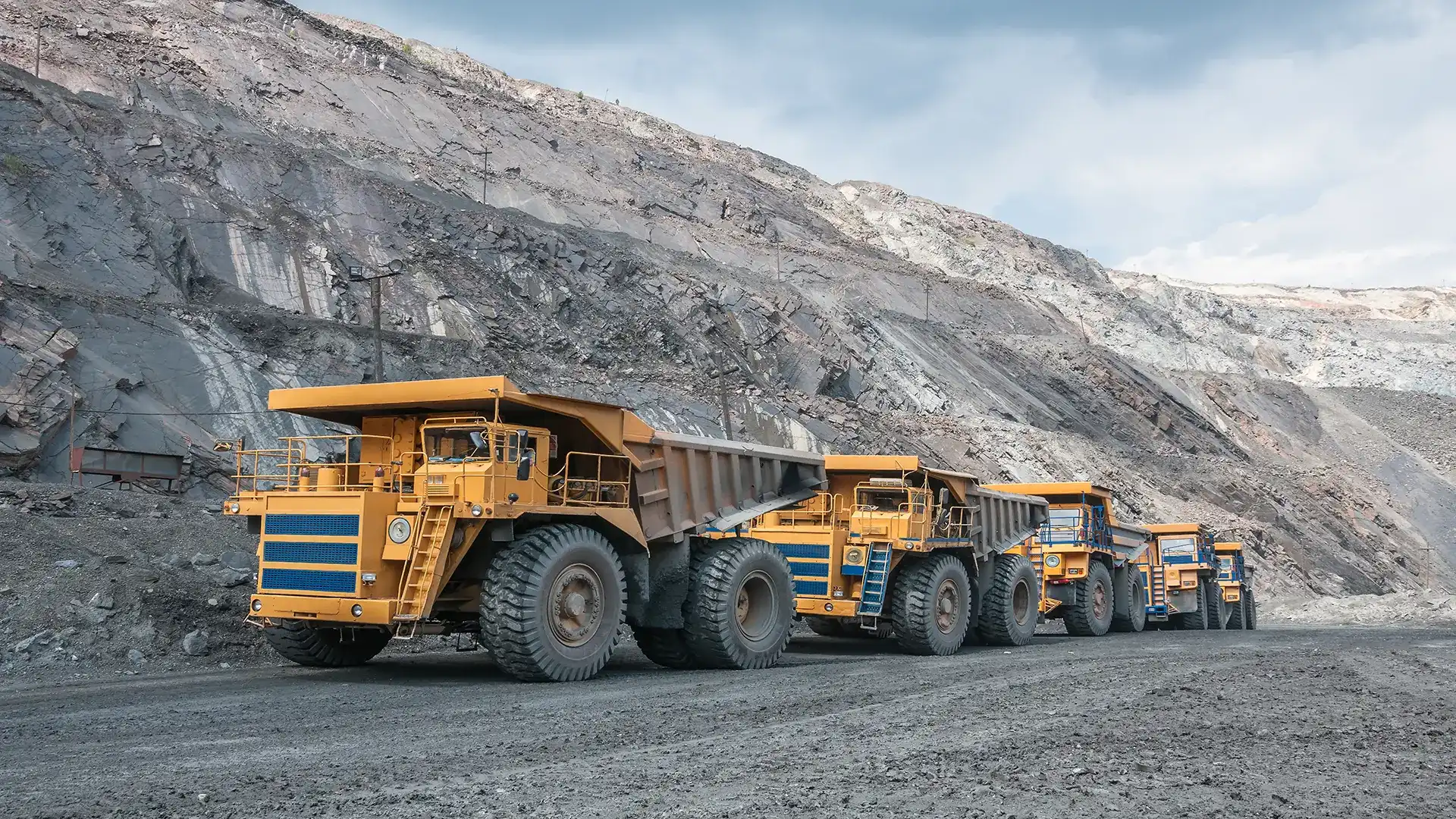
The European Union is placing Argentine mining at the center of its investment strategy, as global demand for critical minerals reshapes trade, energy security and industrial policy.
During Argentina’s Engineering Week, Olivier Luyckx, the EU’s head of bilateral cooperation relations for Latin America, said mining is the “number one” sector for European investment in Argentina and described the country as strategically relevant for the bloc.
The message comes as Europe seeks to diversify access to minerals needed for the energy transition, including copper, lithium and other resources essential for batteries, renewable energy infrastructure, electric mobility and industrial decarbonization.
Luyckx framed the shift as part of a broader geopolitical realignment. In a more fragmented and conflict-driven global environment, Europe sees Latin America as one of the most compatible regions for long-term cooperation, and Argentina as one of its priority partners.
The European strategy is being channeled through Global Gateway, the EU initiative designed to mobilize infrastructure and investment projects with participation from governments, private companies and financial institutions. The program includes €45 billion allocated to Latin America and the Caribbean within a broader €300 billion global investment agenda.
For Argentina, the opportunity is significant. The country has a growing pipeline of mining projects and is seeking to attract capital under new investment frameworks such as the RIGI. However, large-scale mining development will require a mix of equity, debt financing, institutional support and bankable contracts.
Executives from Citi and Banco San Juan also highlighted the importance of financing structures for both major operators and local suppliers. Large mining projects need not only direct investment from global companies, but also financial tools capable of integrating SMEs, subcontractors and regional service providers into the mining value chain.
Banco San Juan pointed to the creation of a guarantee structure focused on the mining sector as one way to improve access to credit for local suppliers. The challenge, according to the discussion, is to build predictable contractual frameworks that allow banks to finance long-term participation in mining projects.
The broader significance is clear: mining is no longer just an extractive industry for Europe. It is now part of a strategic agenda linked to energy transition, supply chain security, industrial competitiveness and geopolitical diversification.
For Argentina, European interest could bring capital, technology and stronger integration into global clean energy supply chains. But turning that potential into projects will depend on macroeconomic stability, regulatory predictability and the ability to build local value around mining development.
The EU’s focus on Argentine mining confirms how critical minerals are redefining Europe–Latin America relations, with Argentina emerging as a strategic destination for investment, energy transition and industrial supply security.