Ferrero expands beyond confectionery with deal to acquire US healthy breakfast brand Purely Elizabeth
The Italian food group is strengthening its push into breakfast and better-for-you products with the acquisition of the US granola, oatmeal and cereal company. The deal follows Ferrero’s takeover of WK Kellogg and forms part of a much broader expansion across the North American food market.

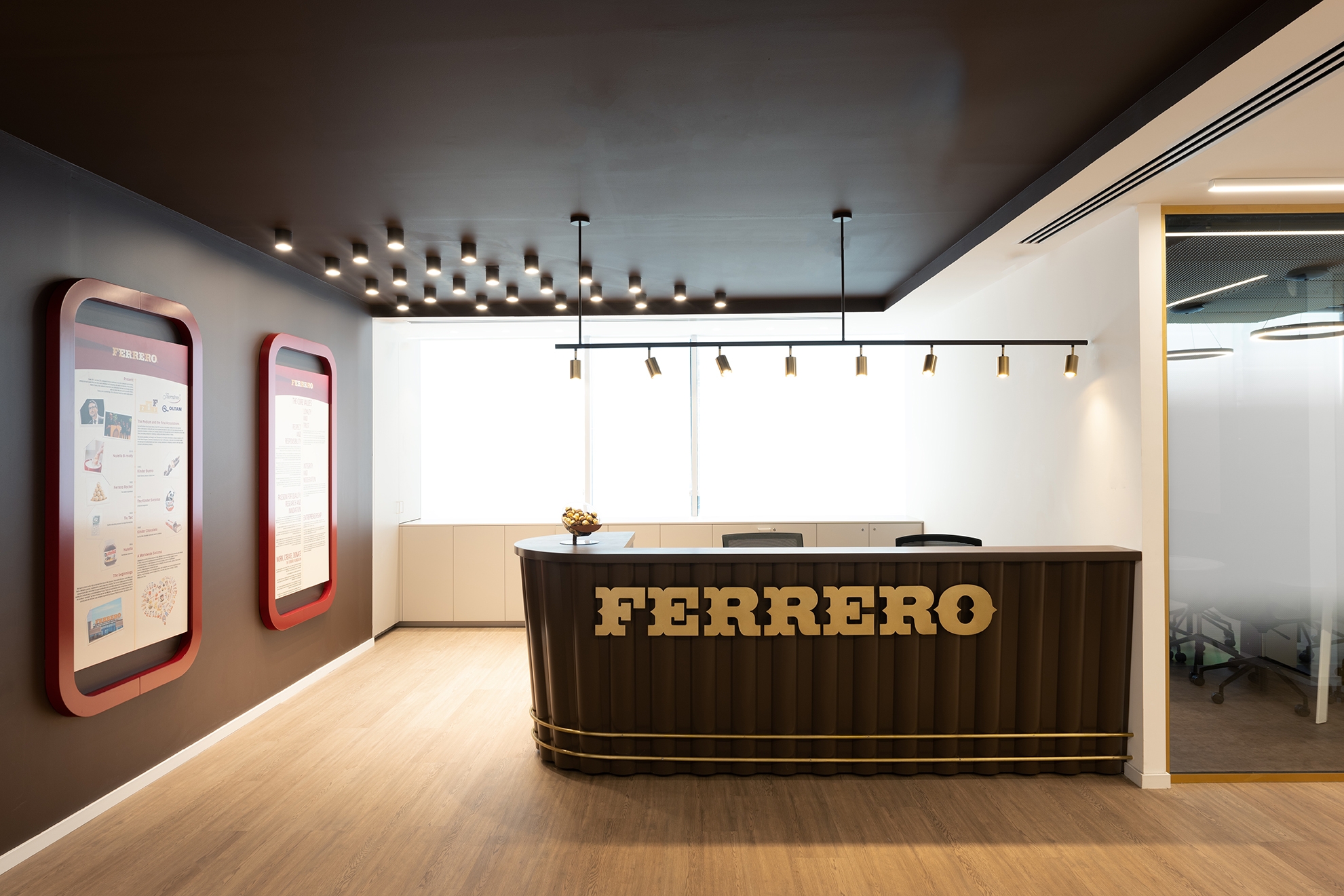
Ferrero Group is accelerating one of the biggest transformations in its history. The European food giant behind Nutella, Kinder and Ferrero Rocher has signed an agreement to acquire Purely Elizabeth, a fast-growing US company specialising in granola, oatmeal and cereal, extending its reach beyond traditional confectionery and further into the American breakfast aisle.
The transaction, announced on August 17, will add a health-oriented brand founded in Boulder, Colorado, in 2009 to Ferrero's increasingly diversified North American portfolio. Financial terms were not disclosed, and completion remains subject to regulatory approvals and customary closing conditions. The companies expect the transaction to close within the coming months.
Purely Elizabeth will continue operating as a standalone brand within Ferrero Group, while founder Elizabeth Stein will remain chief executive alongside the company's existing management team. Ferrero said it intends to support the next phase of growth through product innovation, additional operational capabilities and wider distribution.
The acquisition is significant not simply because Ferrero is buying another American food company, but because it reveals where the Italian group sees its next sources of growth.
Ferrero has spent years expanding beyond the chocolate, spreads and confectionery categories that built its global reputation. Purely Elizabeth strengthens two relatively new strategic pillars simultaneously: breakfast foods and products positioned around health, wellness and nutrition.
“Purely Elizabeth, with its terrific portfolio of quality, tasty products, is a great addition to Ferrero,” Giovanni Ferrero, executive chairman of Ferrero Group, said in announcing the transaction. He specifically linked the deal with the company's recent acquisition of WK Kellogg and its strategy to expand both at breakfast and in the better-for-you segment.
Ferrero builds a much bigger breakfast business
The timing is particularly noteworthy because Purely Elizabeth follows another, dramatically larger move into breakfast cereals.
Ferrero completed its acquisition of WK Kellogg Co in 2025 in a transaction originally valued at $3.1 billion, bringing brands including Frosted Flakes, Froot Loops, Special K, Rice Krispies, Raisin Bran and Frosted Mini-Wheats under the control of the European group in the United States, Canada and the Caribbean.
The WK Kellogg transaction fundamentally changed Ferrero's exposure to the American food market. Instead of relying primarily on confectionery and snacks, the company gained a major position in ready-to-eat breakfast cereal and inherited a portfolio with almost 120 years of history in North America.
Purely Elizabeth gives Ferrero a different proposition within that same consumption occasion.
Founded by Stein 17 years ago, the company has built its identity around granola, oatmeal and cereal products positioned towards consumers looking for alternatives associated with natural ingredients, nutrition and wellness. More recently, the business has also expanded into the protein segment, an increasingly important category across the global packaged-food industry.
The contrast between WK Kellogg and Purely Elizabeth is strategically useful. The former gives Ferrero scale and some of America's most recognisable mass-market cereal brands, while the latter provides exposure to a younger, health-oriented segment of the breakfast and snacking market.
That diversification comes at a time when large packaged-food manufacturers are adapting to changing consumer behaviour. Traditional categories face pressure from concerns over sugar, highly processed foods and changing dietary preferences, while demand for protein, functional nutrition and products marketed around simpler or differentiated ingredients has attracted growing investment.
Ferrero itself has been moving in that direction through other acquisitions. The group acquired US protein-snack company Power Crunch and in 2026 announced an agreement to buy Brazilian premium protein-snack producer Bold Snacks, whose portfolio includes protein bars and whey-protein powders.
Purely Elizabeth therefore fits into a pattern rather than representing an isolated transaction.
The Italian group's acquisition strategy increasingly combines globally recognised indulgence brands with businesses operating in adjacent categories such as biscuits, frozen treats, cereal and protein products. That gives Ferrero access to consumers across more eating occasions during the day rather than concentrating its portfolio primarily around sweets.
North America has become central to that strategy.
Ferrero has built its regional presence through a succession of acquisitions, including Fannie May, Nestlé's former US confectionery business, Kellogg's cookies and fruit snacks operations and Jelly Belly, alongside subsequent investments in manufacturing and product development. Its portfolio now combines European-origin brands such as Nutella, Kinder, Tic Tac and Ferrero Rocher with a growing collection of established American names.
The strategy has transformed the scale of the business. Ferrero and its affiliated companies have more than 14,000 employees across 22 plants and 11 offices in North America, according to figures disclosed when the WK Kellogg transaction was announced.
Purely Elizabeth also offers something that large food groups frequently seek through acquisitions: an entrepreneurial brand with a distinct identity and founder-led culture.
Keeping Stein as CEO and allowing the company to operate independently suggests Ferrero intends to preserve that positioning rather than immediately absorb the business into a larger corporate brand architecture. The approach can allow an acquired company to retain credibility with its existing consumers while benefiting from the distribution, manufacturing expertise, investment capacity and retailer relationships of a much larger owner.
For Stein, Ferrero's family-controlled ownership was one of the considerations behind the transaction. She said finding a partner that understood Purely Elizabeth's identity and shared its long-term approach was an important factor in deciding the company's next stage.
The deal also demonstrates how rapidly Ferrero's identity is evolving. The company founded in Alba, Italy, in 1946 remains synonymous with chocolate and confectionery, but its acquisition strategy is creating a substantially broader packaged-food group.
Breakfast cereal is now part of that equation. So are protein snacks, biscuits, frozen treats and health-oriented products.
For the European food industry, Ferrero's expansion provides another example of a major family-controlled company using acquisitions to build scale in the world's largest consumer markets while diversifying away from the categories that originally made it famous.
Purely Elizabeth is much smaller than WK Kellogg, but strategically it may be equally revealing. Ferrero is no longer merely expanding geographically in North America: it is attempting to occupy more moments of the American consumer's day, from breakfast and protein snacks to confectionery and desserts.
If regulators approve the latest transaction, the Italian group will add another piece to that transformation — and another brand to a US portfolio that increasingly bears little resemblance to the confectionery-focused business Ferrero brought to America decades ago.