Germany Blocks Cosco’s Hamburg Port Bid, Deepening EU–China Investment Tensions
Germany’s decision to block Cosco’s acquisition in Hamburg’s port highlights rising scrutiny of Chinese investments and signals a tougher EU stance on foreign access to critical infrastructure.

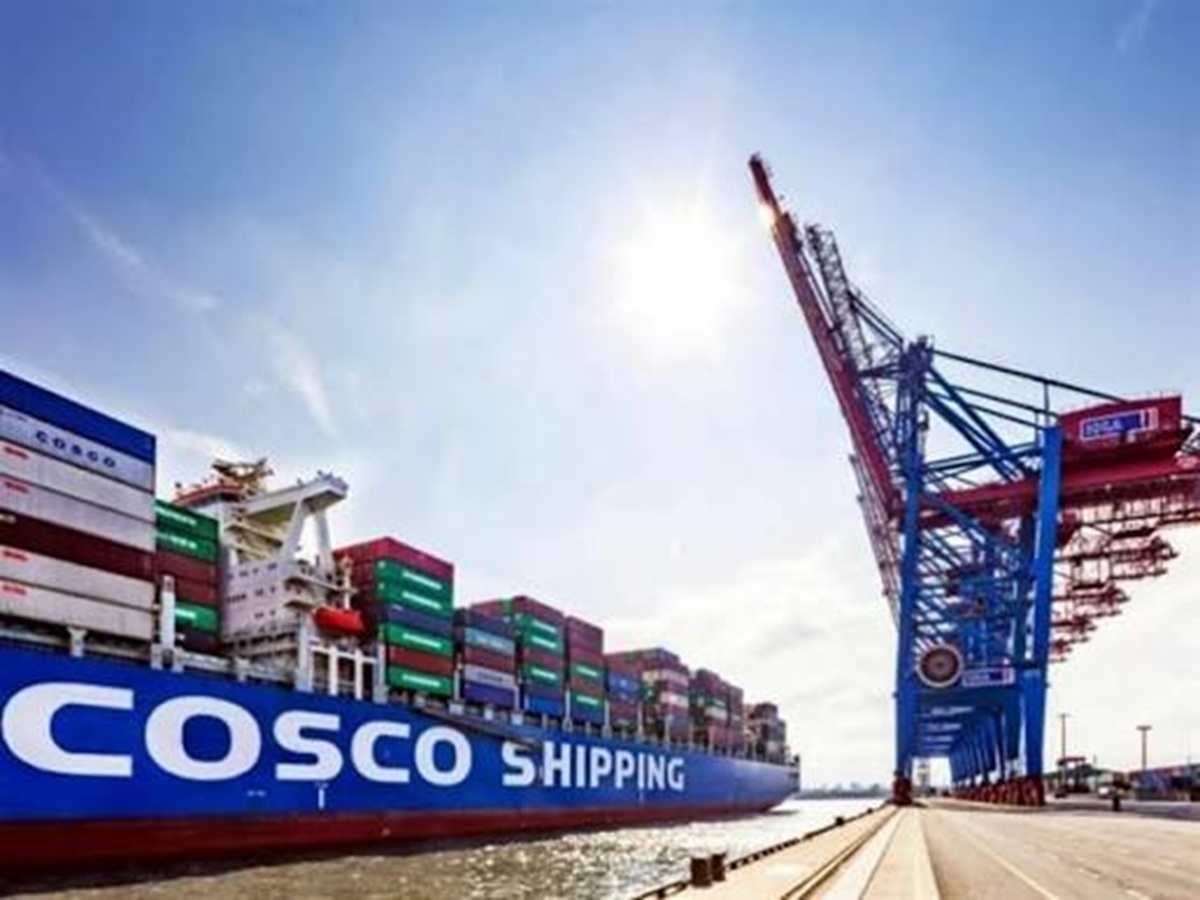
Germany’s federal government has blocked a bid by Chinese state-owned shipping giant Cosco to acquire a stake in a Hamburg port logistics group, citing national security concerns. The move underscores persistent tensions between the European Union and China over foreign investments in critical infrastructure.
The rejected transaction involved Cosco seeking to expand its presence in Germany’s largest seaport, a key gateway for European-Asian trade. The government’s intervention reflects an increasingly cautious approach to foreign acquisitions, particularly from non-EU countries, against the backdrop of geopolitical rivalry and concerns over the control of strategic assets.
The decision is expected to reverberate across Europe, where authorities have grown more vigilant about foreign ownership of transport, energy, and technology infrastructure. According to EUBizNews, the Hamburg port case may set a precedent, encouraging other EU member states to strengthen their review mechanisms for non-European investments.
For China, the blocked deal raises the risk of further restrictions on its ambitions to invest in European infrastructure, as political scrutiny intensifies. The prospect of potential backlash in investment relations with China looms, with analysts warning that retaliatory measures or a cooling of economic ties could follow.
The business implications for European companies are substantial. The heightened scrutiny may deter some foreign investors, particularly in sectors deemed vital to national interests. At the same time, the decision could stimulate greater domestic investment in key infrastructure and foster closer cooperation among EU states on security-related investment policies.
For Latin American stakeholders, the development offers a signal that Europe is prioritising security over openness in areas it deems strategic. Companies and investors from the region looking to expand in Europe may face similar levels of examination if their activities touch critical infrastructure.
The episode also raises broader questions about the future of EU–China trade relations. As Europe recalibrates its approach to foreign investment, particularly from China, companies on both continents will need to navigate a more complex and politically charged environment.