
Germany’s Automotive Industry Faces Deep Restructuring as EV Transition and Global Competition Drive Job Cuts
Germany's automotive sector is undergoing one of its most significant transformations in decades as manufacturers accelerate restructuring plans to adapt to electric mobility, intensifying competition from China and rising production costs. Thousands of jobs are expected to be affected as the industry shifts towards a new technological and competitive landscape.

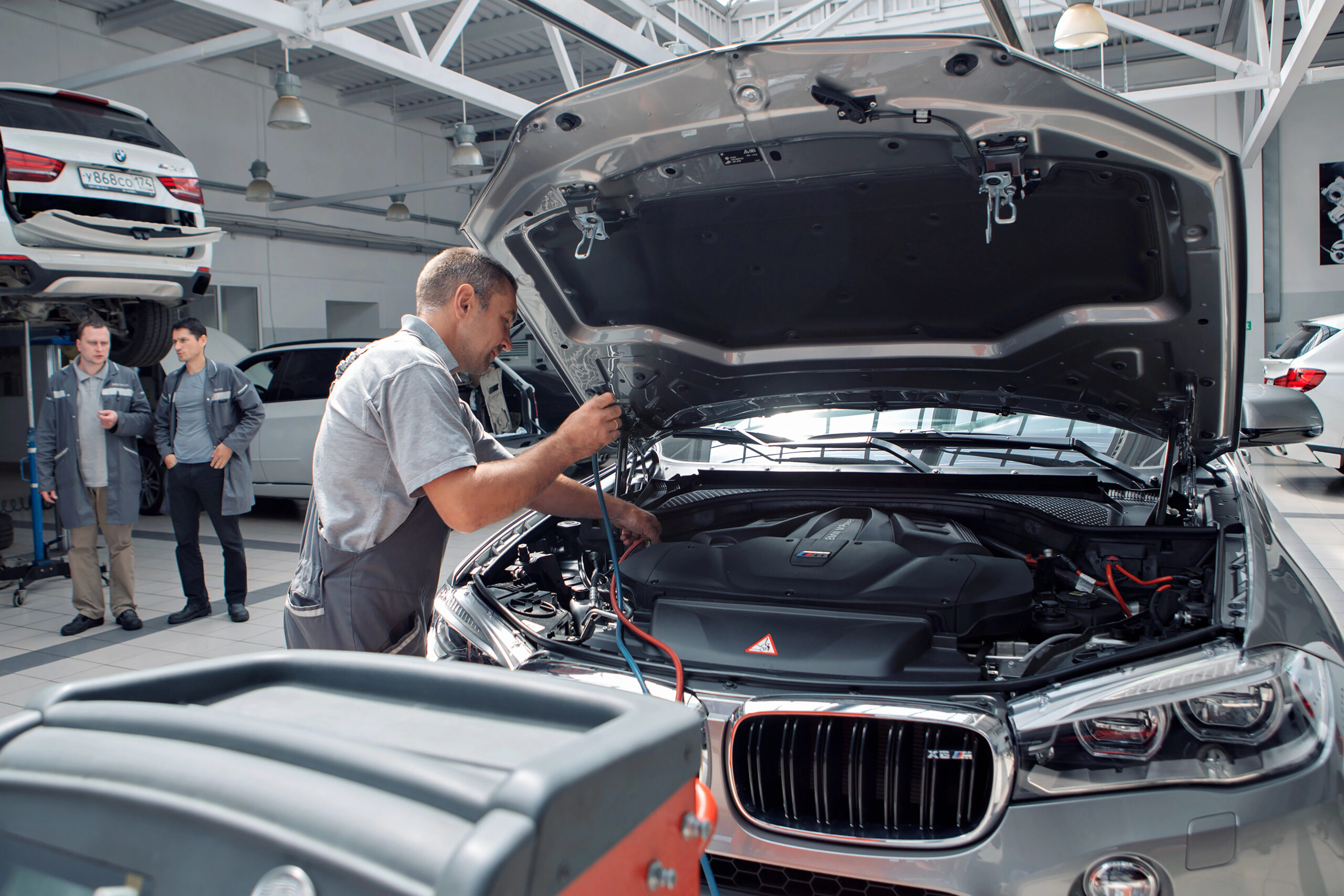
Germany's automotive industry is entering a new phase of structural transformation, with leading manufacturers implementing workforce reductions and operational adjustments to remain competitive in an increasingly challenging global market.
The transition to electric vehicles (EVs), slower demand in key export markets and growing competition from Chinese automakers are forcing Europe's largest carmakers to rethink their long-term business models.
Electric mobility reshapes the industry's workforce
The shift from internal combustion engines to electric vehicles is fundamentally changing how cars are designed and manufactured.
EVs require fewer mechanical components and simplified production processes, reducing labour requirements in several traditional manufacturing areas while increasing demand for software engineering, battery technologies and digital capabilities.
As a result, manufacturers are reorganising their operations, investing in new technologies and adapting their workforce to meet evolving industry needs.
German manufacturers face growing global competition
Companies including BMW, Mercedes-Benz, Volkswagen Group, Audi and Porsche continue investing billions of euros in electrification, battery development and digital technologies.
However, they also face mounting pressure from Chinese manufacturers, which have rapidly expanded their presence in global EV markets by combining competitive pricing with advanced technology and vertically integrated supply chains.
China has become both one of the industry's largest markets and one of its strongest competitors, creating new strategic challenges for European manufacturers.
Cost pressures accelerate restructuring
Beyond technological change, Germany's automotive sector is contending with rising labour costs, higher energy prices and increasing investment requirements.
Manufacturers are balancing the need to finance electric mobility and software development while maintaining profitability in a more competitive environment.
Many companies are therefore streamlining operations, consolidating production and introducing efficiency programmes aimed at protecting long-term competitiveness.
Employment shifts rather than disappears
Although job reductions have attracted significant attention, industry experts emphasise that the sector is also creating new employment opportunities in emerging technologies.
Demand is increasing for specialists in battery engineering, artificial intelligence, autonomous driving systems, semiconductor integration and digital manufacturing.
The challenge for both companies and policymakers lies in accelerating workforce reskilling to ensure employees can transition into these new roles.
Germany's automotive supply chain under pressure
The transformation extends beyond vehicle manufacturers to thousands of suppliers that specialise in components for combustion-engine vehicles.
Many suppliers must diversify their product portfolios or invest in new technologies to remain competitive as demand gradually shifts towards electric drivetrains and advanced electronic systems.
This restructuring is reshaping one of Europe's largest industrial ecosystems, with implications for regional economies that depend heavily on automotive production.
Europe competes for industrial leadership
The challenges facing Germany's automotive industry reflect broader changes across Europe's manufacturing sector.
The European Union is seeking to strengthen domestic battery production, semiconductor manufacturing and clean mobility technologies while reducing dependence on external suppliers.
Public and private investment in innovation, charging infrastructure and industrial modernisation is expected to play a critical role in maintaining Europe's position as a global automotive leader.
A defining decade for the German automotive industry
The current restructuring marks one of the most significant industrial transitions in Germany's post-war history.
While the transformation brings short-term challenges for employment and production, it also represents an opportunity to build a more digital, sustainable and globally competitive automotive industry capable of leading the next generation of mobility.