Google DeepMind Opens Advanced AI Models to 200 European Researchers
Google DeepMind and Google Cloud will provide access to advanced science AI models, including AlphaFold 3, and $3 million in computing credits to up to 200 European researchers, aiming to accelerate scientific innovation across the region.

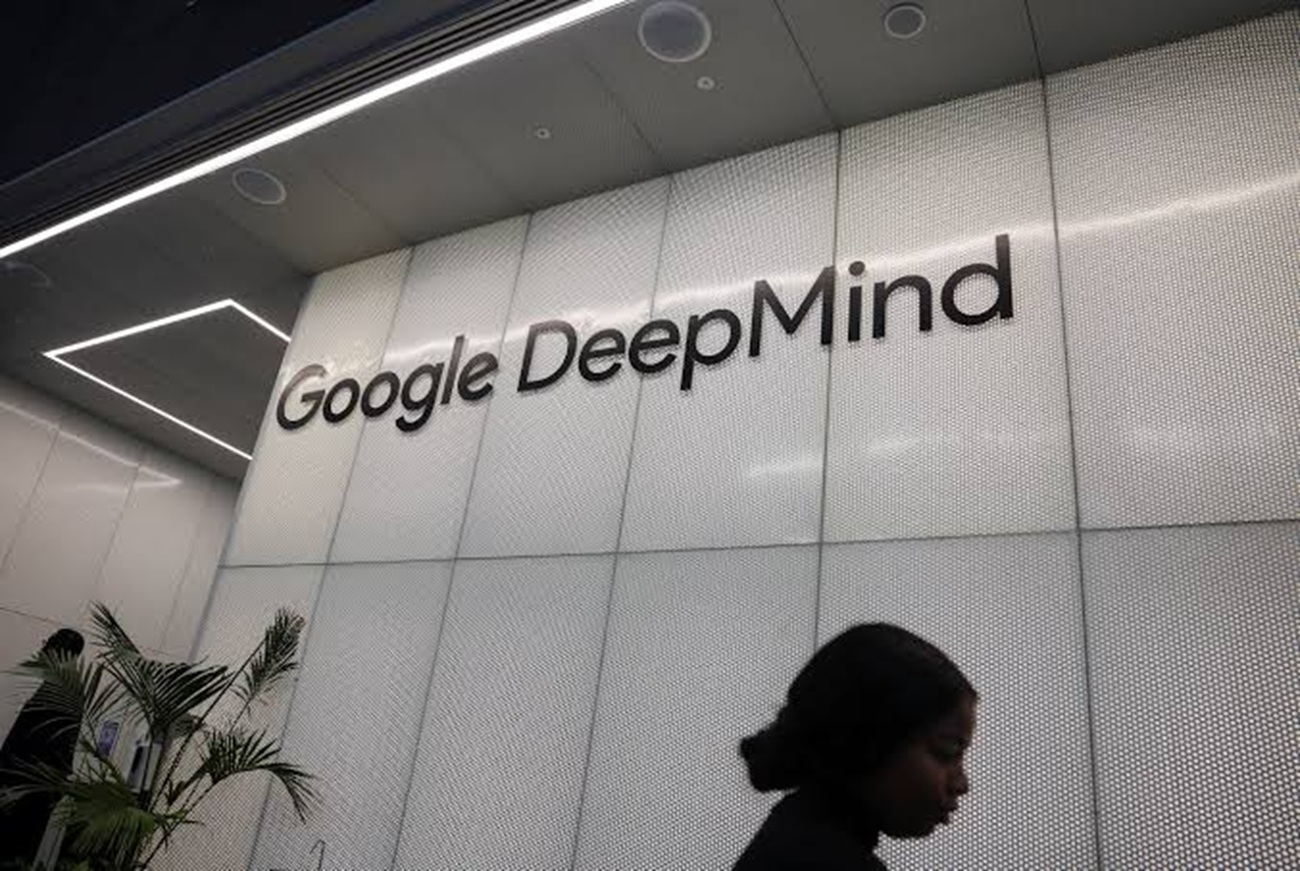
Google DeepMind and Google Cloud will grant up to 200 European researchers access to their advanced science AI models, including AlphaFold 3, as part of a new initiative designed to strengthen scientific research capabilities across Europe.
The program includes $3 million in compute credits, enabling researchers to leverage state-of-the-art AI tools without facing prohibitive infrastructure costs. The move is expected to support projects in fields such as molecular biology, chemistry, and drug discovery.
By opening up access to models like AlphaFold 3, which is renowned for its ability to predict protein structures, Google aims to help European scientists accelerate discovery and maintain competitiveness in AI-driven research. According to the company, the initiative is intended to foster innovation by lowering barriers to advanced computational resources.
The initiative could also deepen collaboration between academia and the private sector, providing researchers with access to tools previously limited to large technology companies. This partnership-driven model reflects a growing trend in which corporate resources play a central role in academic breakthroughs.
For Europe, the program arrives at a time when policymakers and research institutions are seeking to enhance the region's standing in global science and technology. The access to high-powered AI models may help close gaps with the US and China, both of which have made significant investments in AI infrastructure for research.
However, the initiative raises questions about potential over-reliance on proprietary AI models and the privacy implications of using cloud-based computing for research data. Researchers will need to balance the benefits of access with careful consideration of data governance and long-term sustainability.
For Latin American institutions watching European developments, the program signals the strategic importance of AI partnerships and access to technological infrastructure in advancing scientific agendas. It may also encourage similar collaborations or prompt calls for greater regional investment in AI for research.
The selection process for participating researchers and the specific projects to be supported have not been detailed. The outcomes of this initiative could shape the future of AI-powered science in Europe and influence global research practices.