High Freight Costs Push U.S. LNG Cargoes Toward Europe as Inventories Lag
Elevated shipping costs are steering U.S. LNG supplies away from Asia and toward Europe, easing some supply concerns as the region enters winter with low gas inventories.

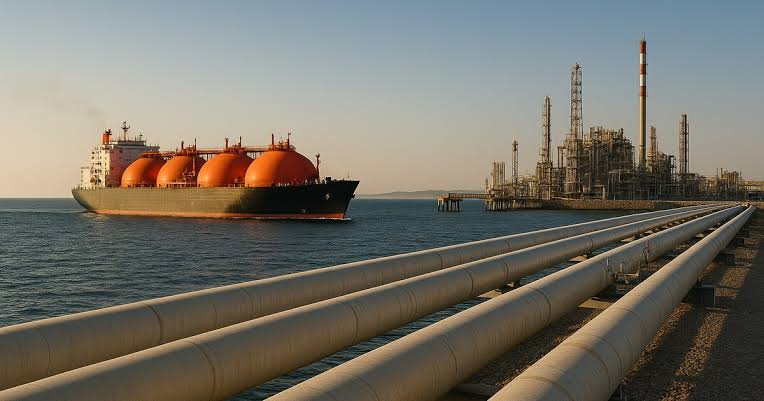
High freight costs are prompting U.S. liquefied natural gas (LNG) suppliers to redirect shipments from Asia to Europe, providing some relief to European markets as the region faces lower-than-usual gas inventories heading into winter.
The closure of the Atlantic-Pacific arbitrage—rendering shipments to Asia uneconomical—has shifted the balance of global LNG flows. Deliveries to Europe are now only 4% lower than a year ago, a significant rebound from the 30% annual decline reported in early August. This shift has been driven by surging shipping costs, which have closed the price gap needed to make trans-Pacific deliveries profitable.
As of September 27, EU gas storage facilities were about 70% full, well below typical levels for this time of year. The situation is particularly acute in Germany, where storage is at approximately 57% capacity, raising concerns over supply security if the winter proves colder than average.
The change in trade patterns is directly affecting regional gas markets. By absorbing more U.S. LNG cargoes, European importers are able to partially offset low inventories and stabilize market prices. However, the influx comes at a cost: elevated LNG prices could translate into higher energy bills for consumers and businesses across the continent.
For U.S. LNG suppliers, Europe’s increased demand represents an opportunity to capture a larger share of the market, compensating for lost sales to Asia. The shift also reflects the increasingly global nature of LNG trade, with logistical costs and market arbitrage playing a pivotal role in determining cargo destinations.
Market analysts warn that risks remain. If winter temperatures drop sharply, even the increased LNG inflows may not be sufficient to avoid supply strains. Policymakers in countries like Germany may face renewed pressure to expand storage capacity and diversify energy sources to shore up security.
The current trend illustrates the interconnectedness of energy markets, with freight costs and storage dynamics in Europe shaping LNG flows and influencing both regional and global energy strategies.