Investors Urge European Union to Maintain Arctic Oil and Gas Restrictions
Climate and ESG Investors Pressure Europe to Preserve Arctic Fossil Fuel Moratorium

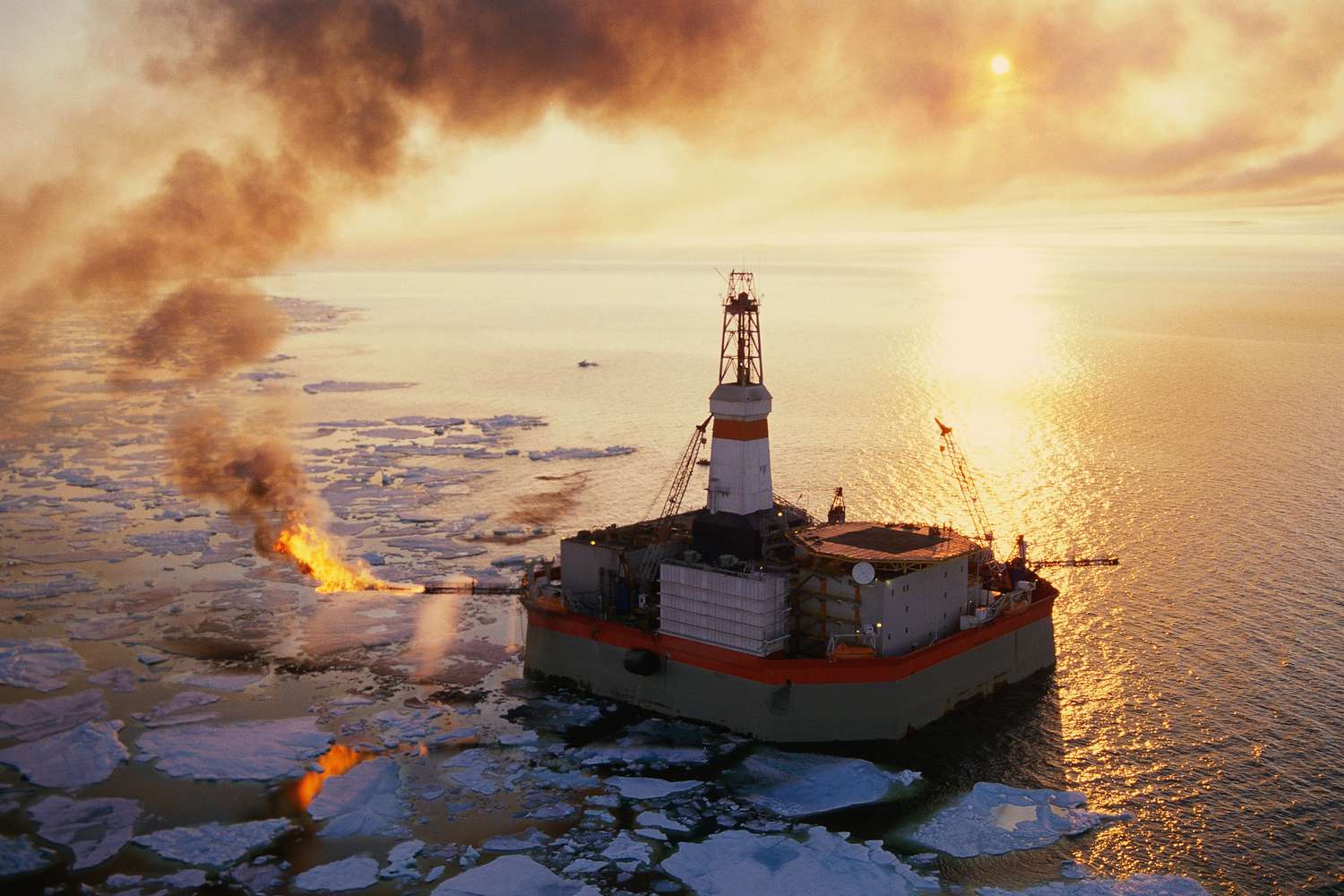
A coalition of institutional investors and sustainable finance groups is urging the European Union to maintain a firm stance on Arctic oil and gas restrictions, intensifying pressure on policymakers as Europe balances energy security with climate commitments.
The investors argue that opening new Arctic fossil fuel projects would contradict Europe’s long-term decarbonization strategy and weaken the credibility of the EU’s climate leadership agenda.
The debate emerges at a critical moment for European energy policy. Since the energy crisis triggered by geopolitical tensions and reduced Russian gas supplies, several European governments have reconsidered parts of their fossil fuel strategies to strengthen short-term energy security.
However, investors focused on ESG and sustainable finance are warning that expanding Arctic exploration could increase climate risks, regulatory uncertainty and long-term stranded asset exposure for energy companies and financial institutions.
The Arctic remains one of the world’s most environmentally sensitive regions, and environmental groups continue raising concerns about the ecological impact of offshore drilling, emissions growth and risks linked to melting ice and biodiversity loss.
For sustainable investors, maintaining restrictions on Arctic oil and gas development is increasingly viewed as a key test of Europe’s climate consistency and green investment credibility.
The issue also reflects broader tensions within global energy markets. Governments and corporations continue facing pressure to secure reliable energy supply while simultaneously accelerating decarbonization and meeting net-zero commitments.
Europe’s sustainable finance sector has become one of the most influential globally, with institutional investors increasingly integrating climate risk, ESG criteria and energy transition exposure into portfolio decisions.
Analysts say the EU’s position on Arctic drilling could have broader implications for international energy investment and climate policy, particularly as investors evaluate long-term fossil fuel risks.
For Europe, the challenge is maintaining industrial competitiveness and energy resilience without undermining climate leadership ambitions.
The discussion is especially relevant as the European Union continues expanding sustainable finance regulations, carbon reduction targets and green industrial policies.
At the same time, energy market volatility and geopolitical uncertainty continue complicating the transition away from fossil fuels.
Why Arctic Oil and Gas Remain Controversial
Key concerns raised by investors and climate groups:
Environmental risks linked to Arctic drilling
Long-term stranded asset exposure
Pressure on EU climate credibility
Biodiversity and ecosystem impact
Conflict with net-zero transition goals
Why the issue matters for Europe:
Energy security versus climate policy
ESG investment credibility
Sustainable finance leadership
Long-term decarbonization strategy
Regulatory and geopolitical implications
Investor pressure on the European Union over Arctic oil and gas reflects the growing collision between short-term energy security concerns and long-term climate and sustainable finance commitments.