Latin America Seeks Stronger Ties With Europe to Avoid US–China Geopolitical Pressure
Regional leaders are calling for deeper engagement with the European Union as Latin America looks to balance global power dynamics and expand strategic partnerships.

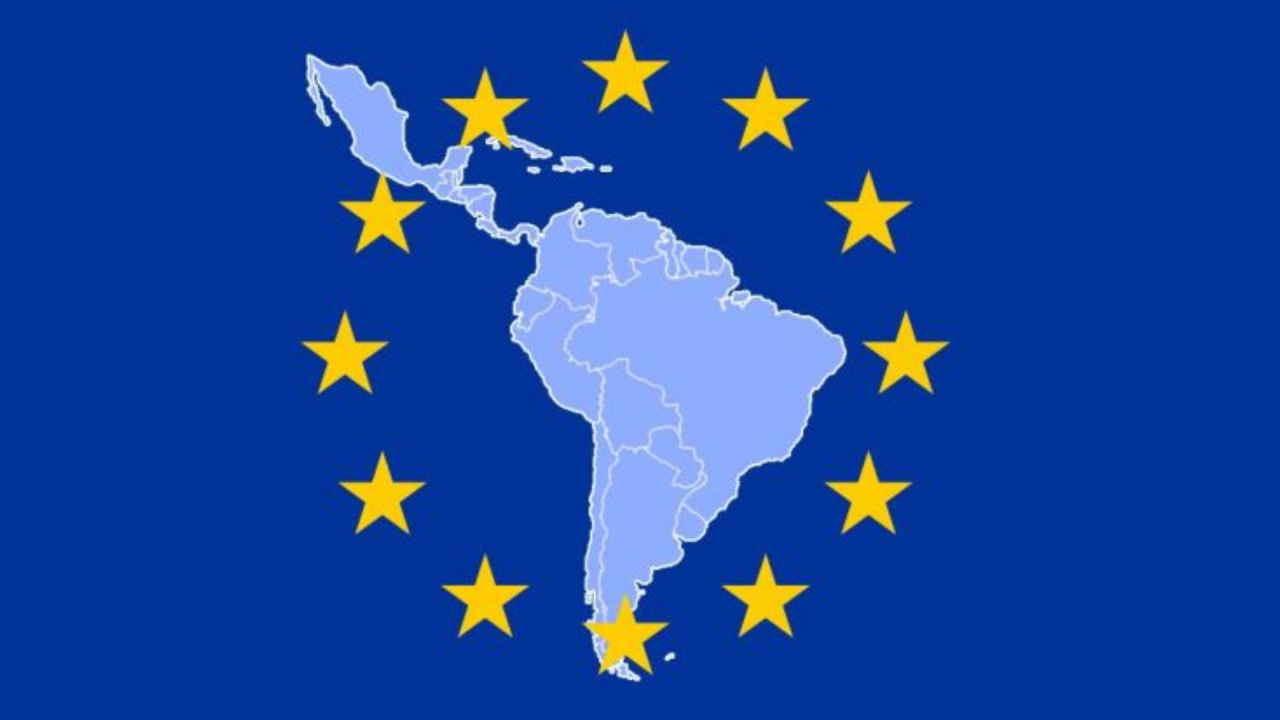
Latin America is increasingly looking to strengthen its relationship with the European Union as a way to navigate growing geopolitical tensions between the United States and China, according to regional leaders and policymakers.
The message reflects a broader strategic shift. Rather than aligning exclusively with one global power, countries in the region are seeking a more balanced approach that allows them to diversify partnerships, reduce dependency and maintain greater economic and political autonomy.
The European Union is emerging as a key partner in this context. For Latin America, Europe represents a combination of investment, trade opportunities and regulatory alignment, without the same level of geopolitical pressure often associated with US–China competition.
The discussion comes at a time when global dynamics are becoming increasingly polarized. The rivalry between Washington and Beijing is reshaping supply chains, trade flows and investment strategies, forcing many emerging markets to reconsider their positioning.
For Latin America, the risk of being caught between these two powers is a growing concern. Strengthening ties with Europe is seen as a way to avoid that binary dynamic and build a more diversified international strategy.
From Europe’s perspective, the region also holds strategic importance. Latin America offers access to critical resources, expanding markets and opportunities linked to energy transition, infrastructure and digital transformation. This mutual interest is driving renewed efforts to deepen cooperation.
Trade agreements such as the long-debated EU–Mercosur deal and ongoing negotiations with countries like Mexico are central to this strategy. These frameworks are not only about market access, but also about building long-term economic and geopolitical alignment.
At the same time, the relationship faces challenges. Differences in regulatory standards, political cycles and economic priorities can complicate negotiations and slow progress. However, the underlying trend points toward closer engagement.
The evolving global landscape is reinforcing the need for diversified alliances. For Latin America, strengthening ties with Europe is not just an economic decision, but a strategic one aimed at maintaining flexibility in an increasingly fragmented world.
As US–China tensions reshape global dynamics, Latin America is positioning Europe as a key partner to balance geopolitical pressures, expand trade and secure a more independent role in the global economy.