Lidl Spain Turns Scale Into Higher Profit as Sales Reach €7.64 Billion
The German discounter increased profit at roughly twice the pace of revenue while cutting prices, expanding its store network and transforming Spain into a procurement platform for its wider European business.

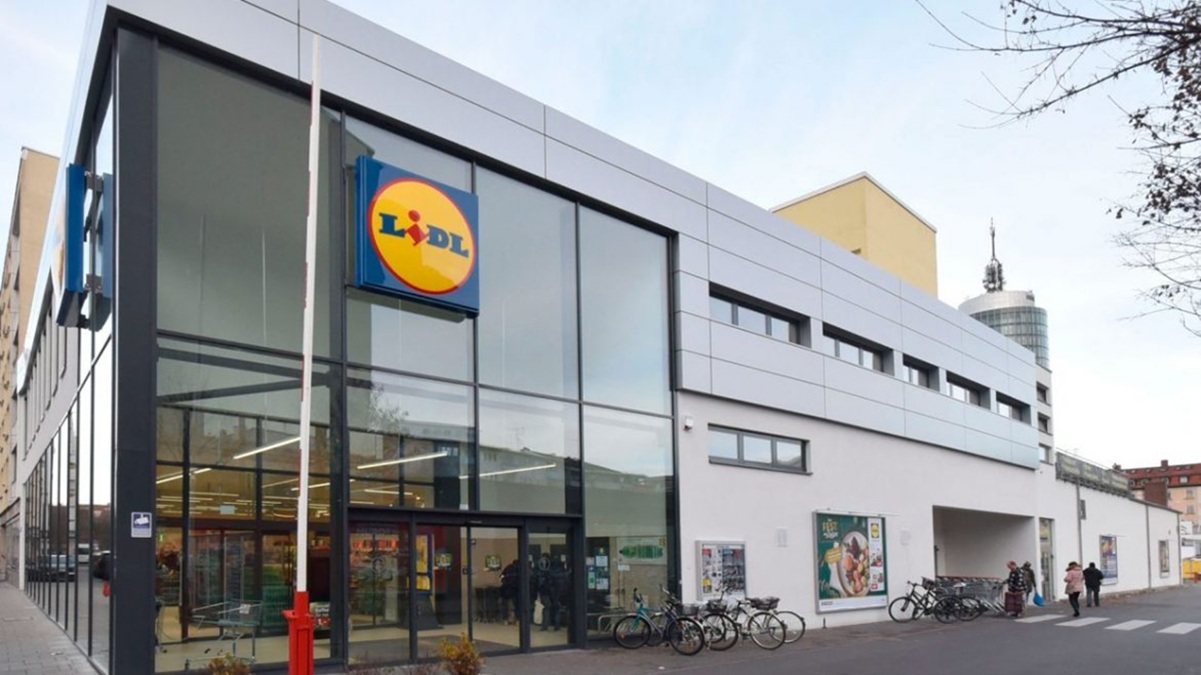
Lidl increased net sales in Spain by 10% to €7.64 billion during its 2025 financial year, consolidating its position as the country’s third-largest grocery retailer as its combination of expansion, centralised purchasing and logistics efficiency produced stronger profitability.
Net profit reached €274 million, approximately 21% above the previous comparable result, giving the company a margin of 3.6% on sales. The performance challenges the traditional assumption that discount retail must rely permanently on narrow returns to maintain low prices.
The company attributed the result to the expansion of its store network, rising customer numbers and a gradual increase in the average shopping basket.
Lidl ended the period with a 7% share of Spain’s grocery market, more than 730 stores, 14 logistics platforms and a workforce exceeding 20,000 people.
Spain becomes a European sourcing platform
The scale of Lidl’s procurement operation provides another perspective on its Spanish growth.
During 2025, the company purchased approximately €8.4 billion in products from more than 800 Spanish suppliers, an increase of 6%. More than half of that volume—€4.26 billion—was subsequently distributed through Lidl’s network in around 30 European countries.
The figures suggest that Spain is no longer only a consumer market for the retailer. It is also becoming a strategic sourcing base for the wider Lidl organisation.
Fruit and vegetables play a central role. Lidl purchased more than two million tonnes of Spanish produce during the year and exported 81% of it to other European markets. The company says it now accounts for 15% of Spain’s fruit and vegetable exports.
This flow provides Spanish producers with access to a distribution network extending well beyond Lidl’s domestic stores. It also gives the retailer greater control over supply, purchasing volumes and product availability.
Lower prices alongside record investment
Lidl invested €320 million in Spain during the financial year, covering approximately 50 store projects and the opening of its logistics centre in Martorell, Barcelona.
The €140 million facility—the company’s largest logistics investment in Spain—currently supplies more than 130 stores. Around 40 new locations were opened during the year, while other sites were expanded or modernised.
Investment is set to accelerate in 2026. Lidl plans to deploy more than €440 million across over 60 commercial projects, including close to 50 new stores, with particular attention to large cities and Spain’s island markets.
The company is also targeting €9.4 billion in purchases of Spanish products during the year.
This expansion is taking place while Lidl reduces consumer prices. The retailer says it has permanently lowered prices on approximately 800 products, cutting the overall cost of its basket by 8%. Some reductions on fresh products and essential goods exceeded 15% or 20%.
The apparent tension between lower prices, greater investment and higher profit is explained by scale. Larger purchasing volumes can strengthen negotiating power, increase utilisation of logistics infrastructure and spread operating costs across a broader store network.
Supplier resilience becomes the next test
The same model also creates risks.
As a retailer concentrates greater volumes among its suppliers, pressure can increase on margins, working capital, production capacity and delivery requirements. Smaller suppliers may gain access to larger markets but can also become more dependent on a single customer.
Climate and water pressures add another layer of uncertainty, particularly for agricultural producers. Lidl launched its Supplier Academy to provide training and green financing support to more than 400 private-label suppliers, partly in response to those challenges.
The sustainability of the company’s growth will therefore depend not only on extracting efficiencies, but also on maintaining a sufficiently resilient supply base.
Lidl’s Spanish results show how discount retail is evolving. Competitive prices are increasingly supported by procurement scale, international logistics and store productivity rather than by accepting structurally weak profitability.
Spain sits at the centre of that model—as a growth market, a source of agricultural and manufactured goods and a platform connecting domestic suppliers with European consumers.