Lufthansa’s €1.2bn TAP Air Portugal Deal Sets Stage for South Atlantic Expansion, but Gains Delayed by Regulation
Lufthansa’s planned acquisition of up to 49.9% of TAP Air Portugal for €1.2 billion aims to boost its South Atlantic presence, especially to Brazil, but regulatory and governance hurdles may delay benefits until 2028 or beyond.

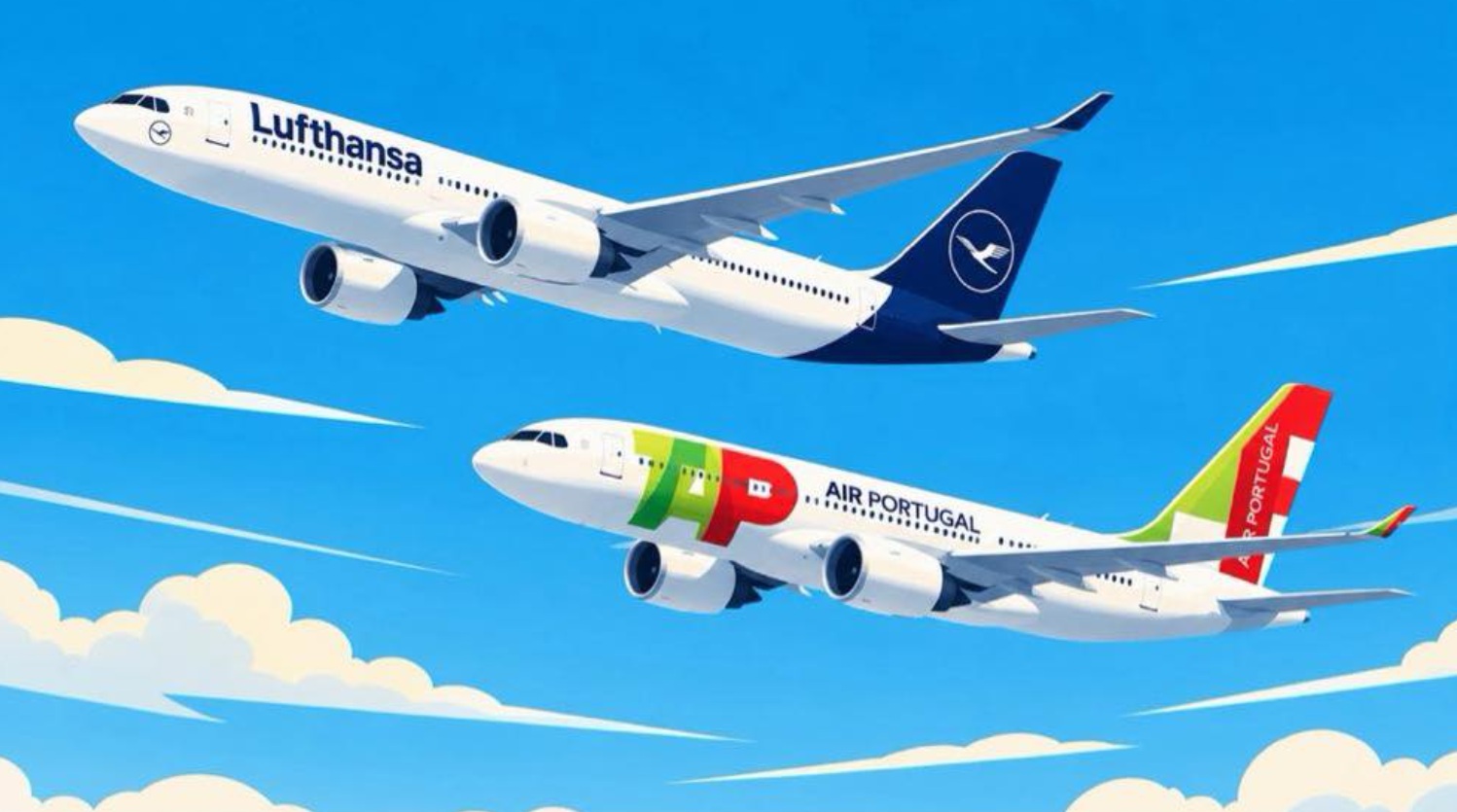
Lufthansa has agreed to acquire up to 49.9% of TAP Air Portugal for €1.2 billion, in a deal aimed at capturing a larger share of South Atlantic air travel, particularly on lucrative routes to Brazil and Latin America.
The agreement, which values an initial 44.9% stake at €1.025 billion and allows for a further 5% purchase from TAP employees, leaves the Portuguese government with a controlling 50.1% stake. Final terms must still be negotiated, and the transaction requires cabinet approval in Lisbon as well as clearance from the European Commission. Completion is not expected before 2028.
The deal could generate €450 million in annual synergies through joint operations, shared fleet management and expanded network reach. Lufthansa has also pledged €500 million in investment in Portugal as part of its commitment.
TAP currently holds a 24% share of seat capacity between Europe and Brazil, positioning it as a key bridge between the two continents. By integrating TAP’s network, Lufthansa would strengthen its presence in the South Atlantic market, providing greater connectivity for both European and Latin American travellers and businesses. This is particularly relevant as demand for transatlantic travel rebounds and trade flows between the regions deepen.
However, regulatory and governance constraints mean these gains will not be immediate. The Portuguese state’s ongoing control of TAP may limit Lufthansa’s ability to fully integrate operations or drive efficiency improvements in the near term. Moreover, European Commission scrutiny will focus on competition and market access, potentially imposing conditions or delaying approval.
Financial pressures also weigh on the timeline. TAP posted a net profit of €4.1 million in 2025, but reported a €99.2 million loss in the first half of 2026, largely due to rising fuel costs. Achieving the projected synergies and scaling up to the targeted 117 aircraft fleet by 2035 will require stable market conditions and effective coordination between Lufthansa, TAP and the Portuguese authorities.
For Lufthansa, the deal offers a long-term strategic foothold in a growing region, with opportunities to expand market share and exploit economies of scale. For European and Latin American companies and investors, the outcome will hinge on how rapidly integration proceeds and whether regulatory barriers can be overcome without undermining competition.