Metrotel Changes Hands as Tuenti Prepares to Challenge Personal and Claro
Nippur Fiber Holdings and Beacon are the new investors behind Metrotel’s expansion into Argentina’s mass-market telecoms business. The company plans to use Tuenti for the mobile operation built around six million lines that Telecom must divest following its acquisition of Telefónica Argentina.

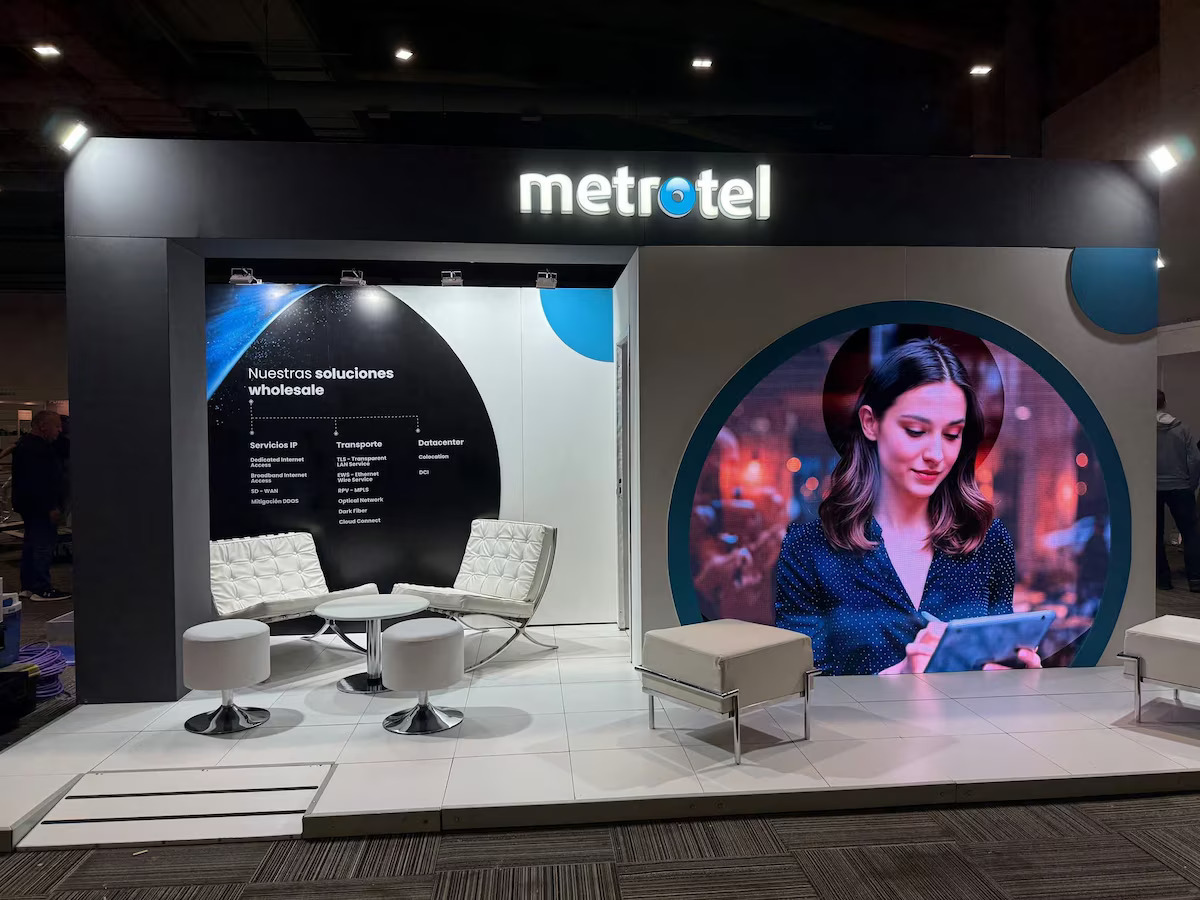
Metrotel is preparing to move from corporate connectivity into Argentina’s consumer mobile market with a new ownership structure and the Tuenti brand. The project is intended to maintain a third major independent competitor alongside Personal and Claro, following the sale of Spain’s Telefónica operations to Telecom Argentina.
Under the announced shareholding structure, Nippur Fiber Holdings, the investment vehicle of Luis María Blaquier and Sebastián Caputo, holds 51% of Metrotel. Beacon, associated with US investor Ralph Booth, will hold the remaining 49%. Blackstone and Riverwood Capital had been investors in the company since 2017.
The ownership change precedes the proposed transfer of Telecom’s customers and mobile assets.
Investors With Financial and Telecoms Experience
Blaquier and Caputo have previously worked together in investments linked to Pegasus and Lone Star. The new structure brings their financial experience together with Booth’s background in telecommunications.
Booth has developed businesses in the United States, Europe and South America. His European track record includes co-founding European Cable Capital Partners with Goldman Sachs and involvement in Diamond Cable Communications, which merged into NTL in 1999.
Operational management is expected to remain with Sebastián Bardengo, Metrotel’s CEO since 2023.
Telefónica’s Exit Reshapes Competition
The restructuring follows the sale of Telefónica Móviles Argentina to Telecom on 24 February 2025. Telefónica disclosed a price equivalent to approximately €1.189 billion at the exchange rate prevailing when the transaction closed.
For the Spanish group, the sale formed part of its strategy to reduce exposure to Spanish-speaking Latin America. In Argentina, combining the businesses created a competition challenge that regulators sought to address through divestments.
The government’s conditions, announced in June 2026, require Telecom to transfer six million mobile customers and associated infrastructure to a new competitor. Telecom must also provide access to infrastructure, spectrum, systems and interconnection for two years, supporting service continuity while the incoming operator develops its own network.
The conditions also cover spectrum returns and fixed-broadband customer divestments in areas with excessive concentration.
From Corporate Networks to Consumer Mobile Services
Metrotel’s existing business provides a base for that expansion. Its services include fibre connectivity, IP telephony, cloud infrastructure, data centres and cybersecurity, serving companies and wholesale operators.
Its fibre footprint includes Buenos Aires and the surrounding metropolitan area, Mendoza, Córdoba, Rosario and Neuquén. Moving into consumer mobile services would add a different operating scale, requiring the company to combine network capacity with mass-market billing, customer support and commercial distribution.
Tuenti, already used within the former Movistar business, is the planned brand for the incoming operation. The company intends to maintain existing Tuenti customers’ plans and prices during the transition.
The remaining steps include acceptance of Metrotel’s offer, definitive contracts, infrastructure-sharing arrangements and spectrum authorisations from Enacom, Argentina’s communications regulator. Completing those steps would allow the new shareholders to turn an established corporate telecoms provider into a broader competitor for Argentina’s mobile and broadband customers.