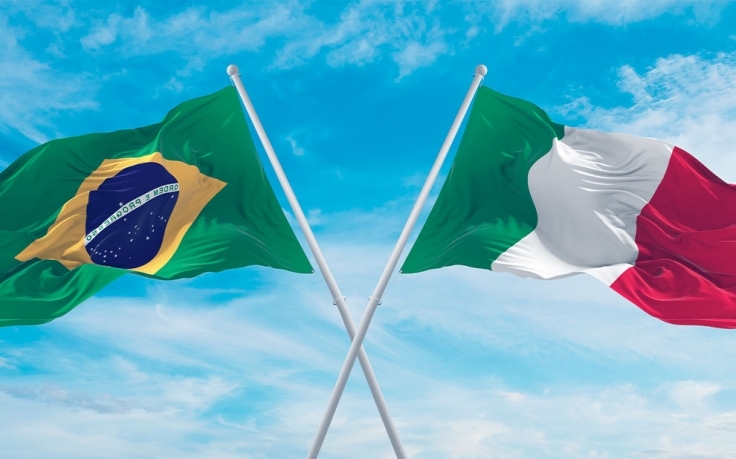
Mexico Strengthens Its Position as a Global Trade Hub Through USMCA and EU Agreements
Mexico is reinforcing its role as one of the world's leading manufacturing and logistics platforms by leveraging its trade agreements with North America and the European Union to attract investment and expand global supply chains.

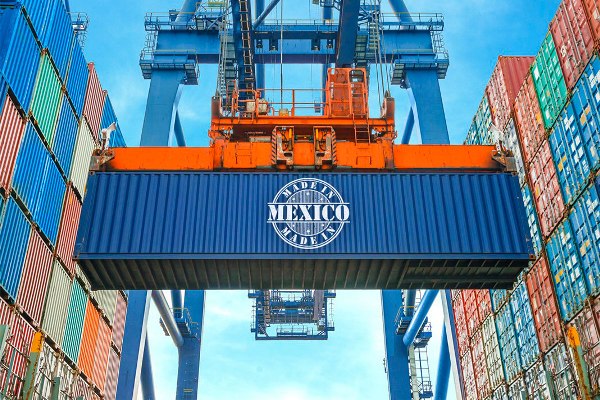
Mexico is consolidating its position as a strategic hub for international trade, supported by its extensive network of free trade agreements and its growing importance within global manufacturing and logistics chains.
According to logistics company DHL, the combination of the United States–Mexico–Canada Agreement (USMCA) and the modernization of the trade agreement between Mexico and the European Union is creating new opportunities for companies seeking to diversify production, strengthen supply chains and access multiple international markets from a single location.
The country has become one of the main beneficiaries of the global nearshoring trend, as manufacturers increasingly relocate operations closer to key consumer markets to improve resilience and reduce logistical risks.
Mexico's geographical position, industrial base and preferential access to more than 50 countries through its trade agreements continue to enhance its attractiveness for foreign direct investment.
For European companies, the modernization of the EU-Mexico trade agreement is expected to facilitate greater market access, simplify customs procedures and expand opportunities across sectors such as automotive, advanced manufacturing, renewable energy, pharmaceuticals and agribusiness.
At the same time, the USMCA provides companies operating in Mexico with direct access to one of the world's largest consumer markets while reinforcing regional supply chains across North America.
This dual commercial integration positions Mexico as a strategic bridge between Europe and the Americas.
Businesses establishing operations in the country can simultaneously serve the North American market while strengthening commercial links with Europe and Latin America.
DHL notes that logistics is becoming a decisive factor in this transformation.
As global supply chains become increasingly regionalized, efficient transportation networks, customs infrastructure and digital logistics solutions are essential for maintaining competitiveness.
Mexico has invested significantly in industrial parks, logistics corridors, ports and multimodal infrastructure to respond to growing international demand.
These developments are particularly relevant for industries such as automotive manufacturing, electronics, aerospace, medical devices and consumer goods, where supply chain efficiency directly influences production costs and delivery times.
The country's manufacturing ecosystem has also evolved beyond low-cost production.
Increasingly, international companies are establishing research, engineering and innovation centers alongside manufacturing facilities, creating higher-value industrial clusters.
For Europe and Latin America, Mexico's growing role offers additional opportunities for investment, technology transfer and cross-border collaboration.
European firms can strengthen their presence in North America through Mexico, while Latin American companies gain access to broader international markets by integrating into regional value chains.
As geopolitical uncertainty continues to reshape global trade, companies are prioritizing locations that offer regulatory stability, diversified market access and resilient logistics networks.
Mexico's expanding role within both the USMCA and its partnership with the European Union reinforces its position as one of the world's most competitive platforms for international manufacturing, trade and investment.