
Paraguay Focuses on Fuel Supply as the Paraná-Paraguay Waterway Enters Strategic Phase
Paraguay is intensifying efforts to secure fuel logistics and energy supply as the Paraná-Paraguay waterway becomes increasingly critical for regional trade, exports and infrastructure development.

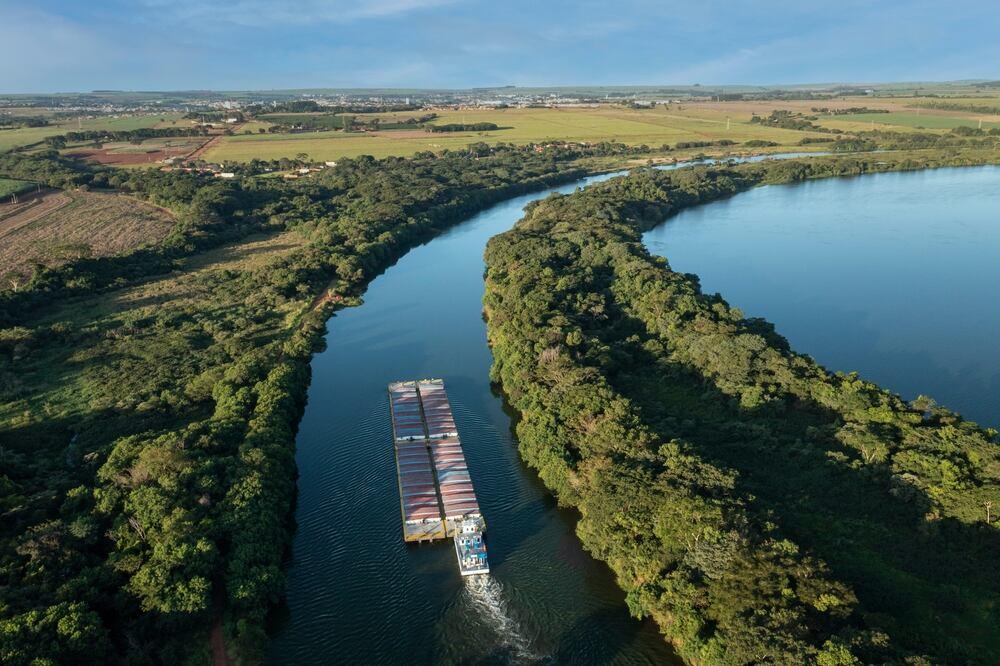
The Paraná-Paraguay waterway is entering a decisive stage for regional logistics and trade integration, with Paraguay placing growing emphasis on fuel supply and energy security along one of South America’s most strategic transport corridors.
The waterway plays a central role in regional commerce by connecting Paraguay, Argentina, Brazil, Bolivia and Uruguay through an inland navigation system essential for exports, imports and industrial logistics.
For Paraguay, ensuring stable fuel supply has become increasingly important as the country depends heavily on river transport for economic activity and international trade flows. Fuel distribution across the waterway directly impacts transportation costs, agricultural exports and industrial operations.
The country is now seeking to strengthen logistical infrastructure, storage capacity and supply coordination to avoid disruptions that could affect river navigation and commercial activity.
The Paraná-Paraguay corridor has gained strategic relevance in recent years as global supply chains shift and South American countries prioritize infrastructure modernization and export competitiveness.
Paraguay, one of the world’s largest operators of river barge fleets, relies on the waterway as a critical artery for transporting soybeans, grains, fuel and industrial products toward Atlantic export routes.
Energy logistics are becoming increasingly central to the corridor’s future. Fuel availability, storage systems and transportation efficiency are now seen as key components for maintaining competitiveness across regional trade networks.
The discussion also reflects broader geopolitical and economic dynamics in Latin America, where governments and companies are investing more heavily in logistics infrastructure to improve resilience and reduce dependence on more costly transport alternatives.
For Europe and international investors, the waterway represents a strategic infrastructure asset linked to agribusiness exports, energy supply chains and regional integration.
At the same time, the corridor faces challenges related to climate variability, water levels, environmental sustainability and regulatory coordination between countries sharing the river system.
The future of the waterway will likely depend not only on infrastructure investment, but also on regional cooperation capable of ensuring operational stability and long-term competitiveness.
Paraguay’s focus on fuel supply underscores the growing strategic importance of the Paraná-Paraguay waterway as a critical logistics, energy and trade corridor for South America.