
Shell Set to Nearly Double Refinery Profits Amid Global Fuel Shortages
Shell forecasts refinery profit margins to nearly double in Q3 2026 as global fuel shortages and damaged supply chains drive record prices, underscoring how geopolitical instability is reshaping the energy market.

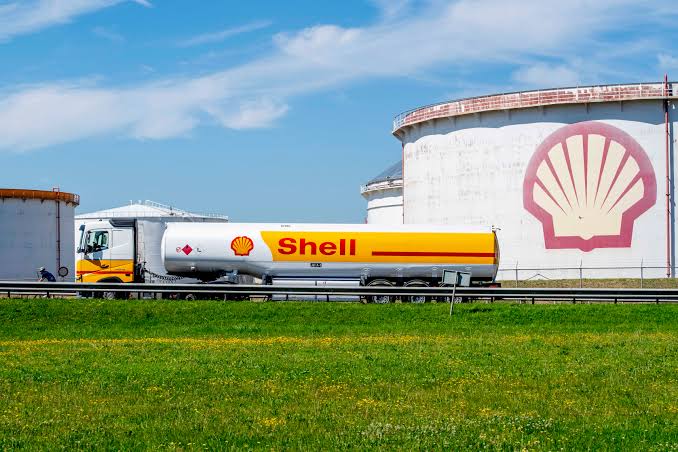
Shell expects its profit margin from refining fuel to surge to €37.45 per barrel for July to September 2026, up sharply from €21.40 per barrel in the previous quarter, as global fuel shortages and war-damaged refineries push prices to record highs, according to company forecasts.
The projected margin would nearly double the previous quarter's figure and far surpass the previous record of €24.96 a barrel set early in the Russia-Ukraine conflict. This sharp increase highlights how geopolitical instability, particularly conflicts in the Middle East and Russia, is tightening global fuel supplies and reshaping the economics of the refining sector.
Shell's strong performance is reflected in its latest results, reporting a €8.9 billion profit for Q2 2026, more than double the figure from the same period last year. The company’s market value reached a record €42.88 a share at the end of last month, underscoring investor confidence amid volatile energy markets.
Despite a decrease in the average Brent crude price—falling to €76.32 per barrel in Q3 2026 from €86.53 the previous quarter—refinery margins have soared. The price premium for diesel over the global oil benchmark exceeded €89.16 a barrel for the first time, illustrating acute shortages of refined products even as crude prices eased.
The situation signals a favorable environment for European refiners including TotalEnergies, whose CEO Patrick Pouyanné has commented on the profound disruptions facing the sector. For Europe, high margins could attract investment in refining infrastructure and bolster energy company earnings, but also risk higher fuel costs for consumers and industries.
The market dynamics are rooted in persistent supply chain disruptions and the loss of refining capacity due to ongoing conflicts, particularly in the Middle East and Russia. With Europe’s benchmark gas price index at €70.50 in August and persistent tightness in fuel markets, the region’s energy security remains a central concern for policymakers and investors.
Analysts note that continued geopolitical instability and potential regulatory shifts could impact future margins, while the exceptional profitability may encourage companies like Shell to expand refining capacity, especially in the US and Europe. The developments underscore the complex interplay between geopolitics, supply chains, and energy company strategies as the global market adapts to ongoing shocks.