Siemens Invests €300 Million in Germany to Power AI Data Centers and the Energy Transition
The German technology group will expand production of power distribution systems for AI data centers, e-mobility and industrial automation, creating up to 700 jobs by 2030.

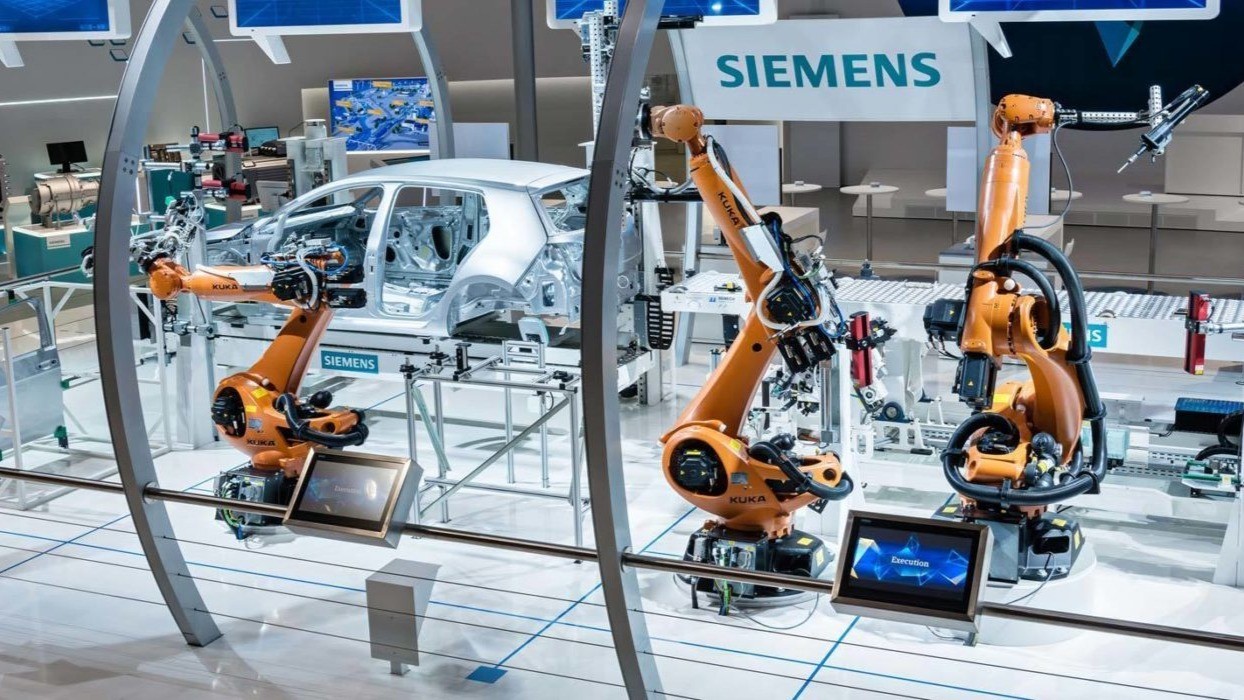
Siemens will invest €300 million in Germany to expand production of key electrical technologies needed for the rapid growth of artificial intelligence data centers, electric mobility, industrial automation and the global energy transition.
The investment will strengthen the company’s manufacturing capacity in Frankfurt am Main and includes a new supplier facility in Offenbach, as Siemens seeks to meet rising demand for high-efficiency power distribution systems. Construction is expected to begin in July 2026, with production at the new supplier site scheduled for spring 2027. The company expects to create up to 700 new jobs by the end of 2030.
The announcement reflects a major shift in the global technology economy. Artificial intelligence is no longer only a software story. The expansion of AI models, cloud computing and hyperscale data centers is placing growing pressure on electricity networks and creating new demand for resilient, efficient and scalable power infrastructure.
Siemens said the investment will help secure the global supply of electrical switchgear, a critical component for data centers, e-mobility and automated factories. The company had already announced a US$165 million investment in its U.S. factories earlier in 2026 to support growth in AI and data center infrastructure.
For Europe, the move is strategically significant. As demand for computing power rises, countries will need to expand electricity grids, modernize industrial infrastructure and accelerate renewable energy integration to avoid bottlenecks in the digital economy.
The growth of AI data centers is increasingly becoming an energy policy issue. Recent research has warned that AI-related data center expansion could place additional pressure on regional power systems, especially in areas where computing infrastructure is concentrated.
Siemens’ investment also reinforces Germany’s role as a manufacturing hub for advanced electrification technologies. At a time when Europe is seeking to strengthen industrial competitiveness, secure critical infrastructure and support the energy transition, the production of power distribution systems has become a strategic priority.
The company is positioning itself at the intersection of three major global trends: artificial intelligence, electrification and decarbonization. Data centers need reliable electricity. Electric mobility requires charging infrastructure. Industrial automation depends on stable and intelligent power systems.
Together, these sectors are driving a new investment cycle in electrical infrastructure.
For Siemens, the opportunity is clear: the next stage of digital growth will depend not only on chips, algorithms and cloud platforms, but also on the physical systems capable of powering them.
The announcement confirms a broader reality for Europe’s economy. The future of artificial intelligence will be built on energy infrastructure, and companies capable of connecting digital transformation with electrification will play a central role in the next phase of industrial growth.