
US–Europe Trade Tensions Could Create New Export Opportunities for Latin America
A potential escalation in trade tensions between the United States and France could reshape the global wine market and create new opportunities for producers across Latin America.

A new transatlantic trade dispute is drawing the attention of global markets and the wine industry. Former U.S. President Donald Trump has threatened to impose tariffs of up to 100% on French wine and Champagne imports in response to ongoing disagreements over digital taxation policies affecting major American technology companies.
While the measure remains under discussion, the possibility of higher tariffs on some of France's most iconic exports is already generating concern among European producers and distributors.
At the same time, analysts believe the situation could create an unexpected opening for Latin American wine exporters seeking to expand their presence in the United States.
A dispute that goes beyond wine
The latest tensions stem from disagreements surrounding digital taxes adopted by several European countries, including France, which target large multinational technology companies.
Washington has repeatedly argued that these measures disproportionately affect American firms and has considered trade retaliation as a response.
Although wine and Champagne are not directly linked to the digital economy, agricultural products have historically been among the sectors most exposed during trade disputes between major economies.
For France, the U.S. market remains one of the most important destinations for premium wine exports. Any significant increase in tariffs could reduce competitiveness, raise prices for consumers and disrupt long-established commercial relationships.
Latin America sees a potential opening
For wine-producing countries in Latin America, however, the situation presents a potential opportunity.
Argentina, Chile and Uruguay have spent years strengthening their international positioning, investing in quality improvements, premium branding and market diversification strategies.
If French products become more expensive in the U.S. market, importers, distributors and retailers may seek alternative suppliers capable of offering competitive products across different price segments.
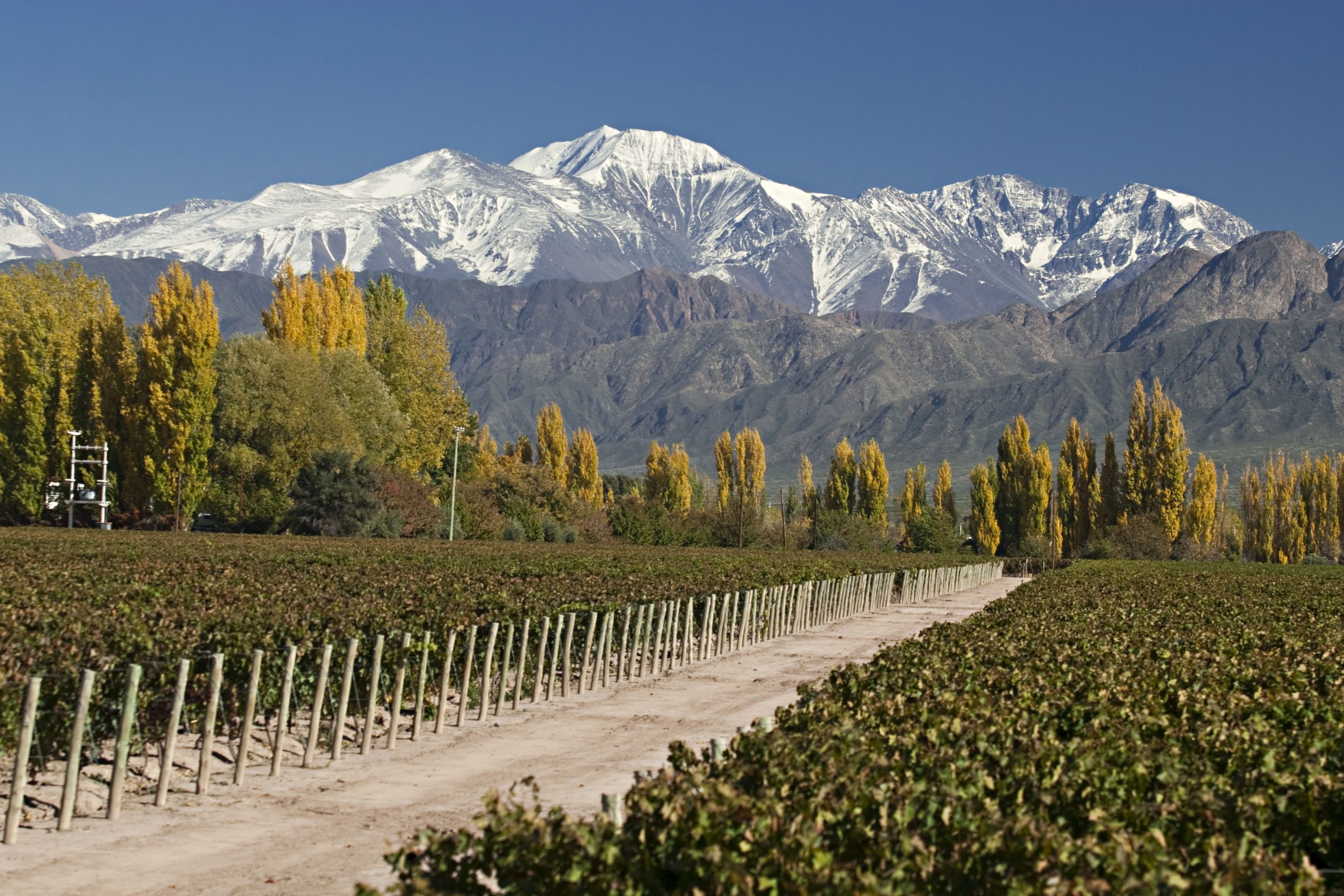
Argentina's Malbec, Chile's Cabernet Sauvignon and Sauvignon Blanc, and Uruguay's increasingly recognized Tannat wines could benefit from changing purchasing patterns among American consumers.
Industry observers note that previous trade disputes involving European agricultural products have often led buyers to explore new origins and diversify supply chains.
The United States remains a critical market
The U.S. continues to be one of the world's largest wine-consuming markets and one of the most attractive destinations for international producers.
Access to American consumers is particularly important for exporters seeking premium positioning and long-term brand development.
Latin American wineries have steadily increased their visibility in the United States over the past decade, supported by strong quality ratings, competitive pricing and growing consumer interest in wines from emerging regions.
A disruption affecting French exports could accelerate that trend.
A broader shift in global trade
The dispute also highlights a wider transformation taking place in international commerce.
As geopolitical tensions, regulatory disputes and strategic competition become more frequent, companies are increasingly looking to diversify suppliers and reduce dependence on single markets.
For Latin America, this dynamic creates opportunities beyond the wine industry.
Agriculture, food processing, critical minerals, renewable energy and manufacturing sectors could all benefit as global supply chains continue to adapt to changing trade relationships.
Europe and Latin America remain connected
Despite the potential commercial benefits for Latin American producers, industry experts caution that any escalation in transatlantic trade tensions could also create uncertainty for global markets.
Europe remains a key trade and investment partner for Latin America, and long-term growth will continue to depend on stable international economic relationships.
However, the episode demonstrates how shifts in global trade policy can quickly create opportunities for agile exporters capable of responding to changing market conditions.
If tariffs on French wine and Champagne are ultimately implemented, Latin American producers could gain additional market share in the United States. Argentina, Chile and Uruguay are among the countries best positioned to capitalize on any disruption, highlighting how geopolitical tensions can create unexpected commercial opportunities across the Atlantic.