IMF Backs Argentina’s Economic Reforms as 2027 Debt Challenge Comes Into Focus
International Monetary Fund (IMF) Managing Director Kristalina Georgieva has expressed confidence in Argentina's economic reform programme during her visit to Buenos Aires, while acknowledging that the country faces significant foreign-currency debt repayments in 2027. The visit comes as investors closely monitor Argentina's fiscal consolidation and long-term financing strategy.

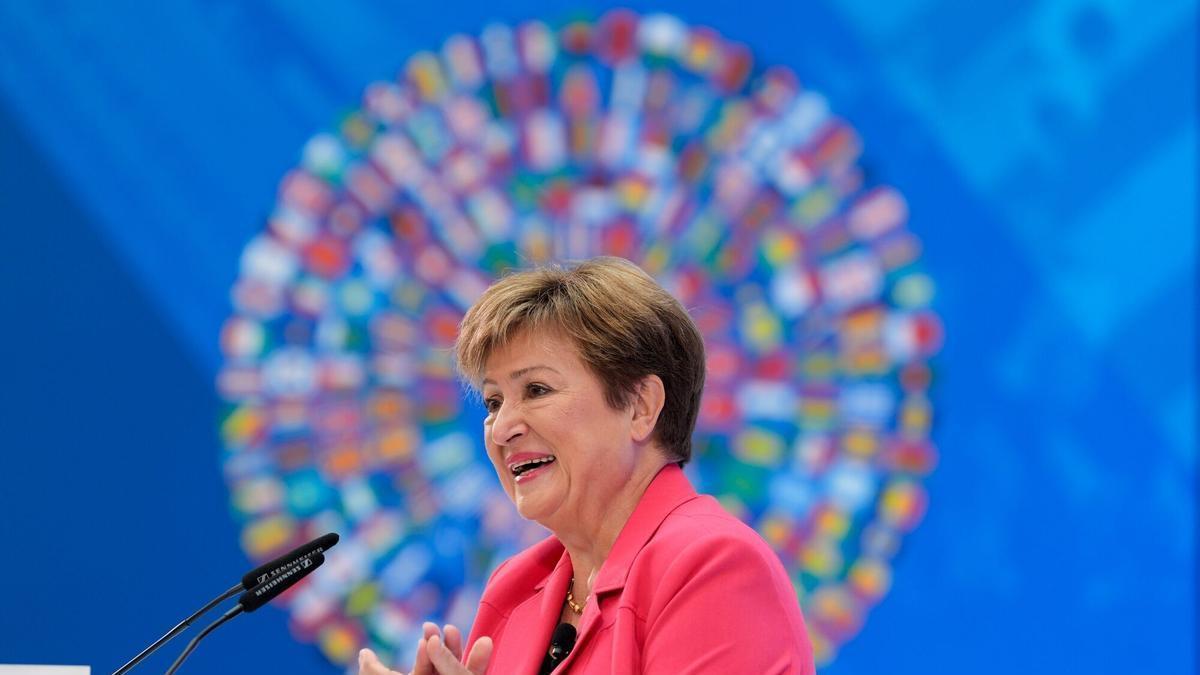
IMF Managing Director Kristalina Georgieva has reaffirmed the Fund's confidence in Argentina's economic adjustment programme following meetings with President Javier Milei and Economy Minister Luis Caputo, highlighting the progress achieved in stabilising the country's economy after years of financial turbulence.
Georgieva's visit—the first to Argentina since assuming leadership of the IMF—comes at a pivotal moment as the government seeks to consolidate market confidence while preparing for a demanding external debt repayment schedule expected in 2027.
Macroeconomic indicators show signs of improvement
According to the IMF chief, Argentina has made notable progress in rebuilding foreign exchange reserves, reducing inflation and maintaining fiscal discipline, developments that have helped improve investor sentiment and strengthen the country's sovereign credit profile.
Recent sovereign credit rating upgrades by international agencies have reinforced expectations that Argentina is gradually restoring access to financial markets after years of economic instability.
Attention turns to the 2027 debt repayments
Despite the improved outlook, Argentina faces substantial foreign-currency debt obligations in 2027, a period that is also expected to coincide with the country's next presidential election cycle. According to IMF assessments, these repayments remain manageable but continue to represent one of the country's principal medium-term financial challenges.
The government has indicated that it intends to meet these obligations through a combination of multilateral financing, privatisation proceeds, domestic debt issuance and continued fiscal discipline, while avoiding an early return to international bond markets.
Political continuity remains a key factor
While financial markets have responded positively to Argentina's reform agenda, analysts continue to view political stability as a critical variable for maintaining investor confidence.
The continuation of structural reforms after the next election will likely influence the country's financing conditions, access to capital and long-term economic outlook.
Energy and exports expected to support growth
The IMF also highlighted Argentina's long-term growth potential, particularly through expanding energy production, mining and export-oriented industries.
Projects linked to the Vaca Muerta shale formation and increased investment in strategic sectors are expected to strengthen foreign currency inflows over the coming years, improving the country's ability to meet future financial commitments.
A crucial period for Argentina's economic transformation
Georgieva's visit sends a positive signal to international investors regarding Argentina's reform programme. However, economists agree that sustaining macroeconomic stability will require continued fiscal discipline, stronger investment, job creation and improvements in living standards.
As the country approaches its next major debt repayment cycle, maintaining market confidence and preserving policy continuity will remain central to Argentina's long-term economic strategy.