Volkswagen faces showdown over restructuring that could affect up to 100,000 jobs
The German automotive group has already agreed to eliminate around 50,000 positions by 2030 and says its remaining cost disadvantage is equivalent to another 50,000 roles worldwide. Management insists the additional figure is not a fixed target, but the prospect of deeper cuts and possible factory closures has intensified tensions with workers and political stakeholders.

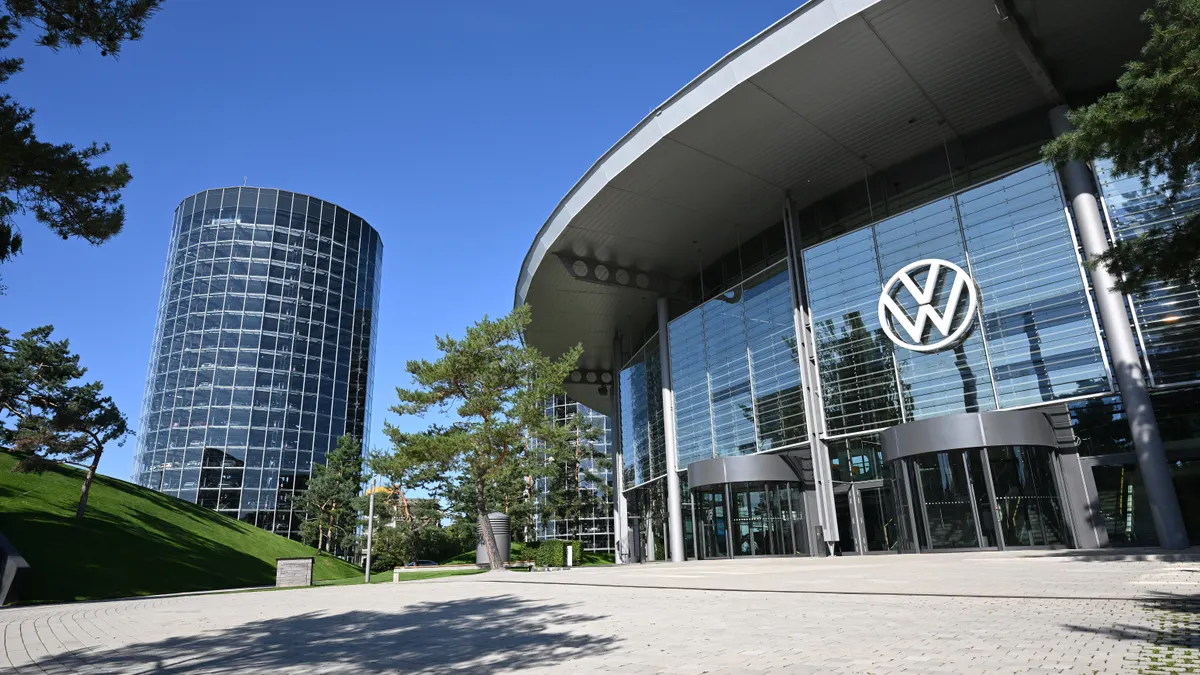
Volkswagen Group has entered a decisive phase in the largest restructuring in its history, with management seeking approval for a plan that could result in substantially deeper workforce reductions, fewer vehicle models and a smaller global production footprint.
The company has already agreed to eliminate approximately 50,000 jobs in Germany by 2030 across Volkswagen, Audi, Porsche and software subsidiary CARIAD. The reductions are intended to take place through voluntary departures, partial retirement, natural attrition and severance programmes rather than compulsory dismissals.
According to chief executive Oliver Blume, around 37,000 departure agreements have already been signed. However, the measures negotiated since late 2024 may no longer be sufficient to close the group’s competitiveness gap.
Volkswagen estimates that costs in its administrative and support functions remain more than 30% above those of comparable companies. Management has calculated that removing that disadvantage exclusively through headcount reductions would be equivalent to another 50,000 jobs worldwide.
Blume has stressed that this number is an indication of the scale of the problem rather than a confirmed workforce target. The final adjustment will depend on how much the group can save by simplifying its corporate structure, reducing management layers, improving processes, lowering labour costs and eliminating duplicated functions across its brands and subsidiaries.
Even so, the possibility that total job losses could approach 100,000 positions has triggered a fierce reaction from employees and unions.
Blume was booed by sections of a crowd of more than 10,000 workers during an extraordinary meeting at Volkswagen’s Wolfsburg headquarters. Employees displayed protest banners and demanded greater clarity about the future of the company’s German factories.
Daniela Cavallo, chair of Volkswagen’s powerful works council, said confidence in the chief executive and the management board had been damaged, although not beyond repair. Labour representatives argue that workers have already made significant concessions and should not be asked to carry most of the burden of management errors and strategic delays.
Volkswagen is holding a series of meetings with employees at sites including Wolfsburg, Emden, Zwickau, Braunschweig and Hanover as the group attempts to explain its plans and rebuild internal support.
The dispute will move to the company’s supervisory board, where shareholders, employee representatives and the state of Lower Saxony must negotiate a solution. Lower Saxony controls 20% of Volkswagen’s voting rights and has opposed plant closures and compulsory redundancies.
An initial version of the new restructuring programme failed to secure sufficient support from the supervisory board in July. A further meeting scheduled for early September is expected to be crucial for the future of the plan.
The urgency behind the overhaul is visible in Volkswagen’s financial results. Group revenue remained broadly stable at €158.1 billion during the first half of 2026, but operating profit fell by 11.6% to €5.9 billion. Its operating margin stood at 3.8%, while vehicle sales declined by 8.4% to approximately four million units.
Volkswagen still generates profits and recorded automotive net cash flow of more than €3 billion, but Blume argues that current returns are insufficient to finance new vehicles, software, batteries, automated driving technologies and the transformation of the company’s industrial sites.
The group employed approximately 652,200 people at the end of June, down from 662,900 at the close of 2025. Its size reflects decades of expansion during which Volkswagen acquired multiple brands and retained direct control over a wide range of components, software activities and industrial processes.
“We are oversized. That often makes us too slow and too complicated,” Blume acknowledged.
The company’s problems extend well beyond its internal cost structure. Volkswagen is facing intense competition from Chinese manufacturers, falling profitability in China, higher United States tariffs and a European automotive market that has not returned to its pre-pandemic volumes.
Volkswagen says the Chinese vehicle market contracted by more than 20% during the first part of 2026, while domestic manufacturers launched hundreds of new models and continued lowering prices. Chinese brands are simultaneously gaining market share in Europe, particularly in electric vehicles and plug-in hybrids.
Trade barriers have added another layer of pressure. Tariffs on vehicles imported into the United States from Europe have risen from 2.5% to 15%, while some vehicles produced in Mexico face rates of up to 27.5%. These costs make Volkswagen products more expensive in one of the world’s most profitable automotive markets.
Management’s response goes beyond workforce reductions. Under its future plan, Volkswagen intends to reduce the number of models offered across its brands from approximately 150 to 75, eliminating overlapping products and concentrating investment on vehicles with greater commercial potential.
The group also wants to reduce its long-term global production capacity to around nine million vehicles annually. In Europe alone, management estimates that Volkswagen must eliminate excess capacity equivalent to more than 500,000 vehicles per year.
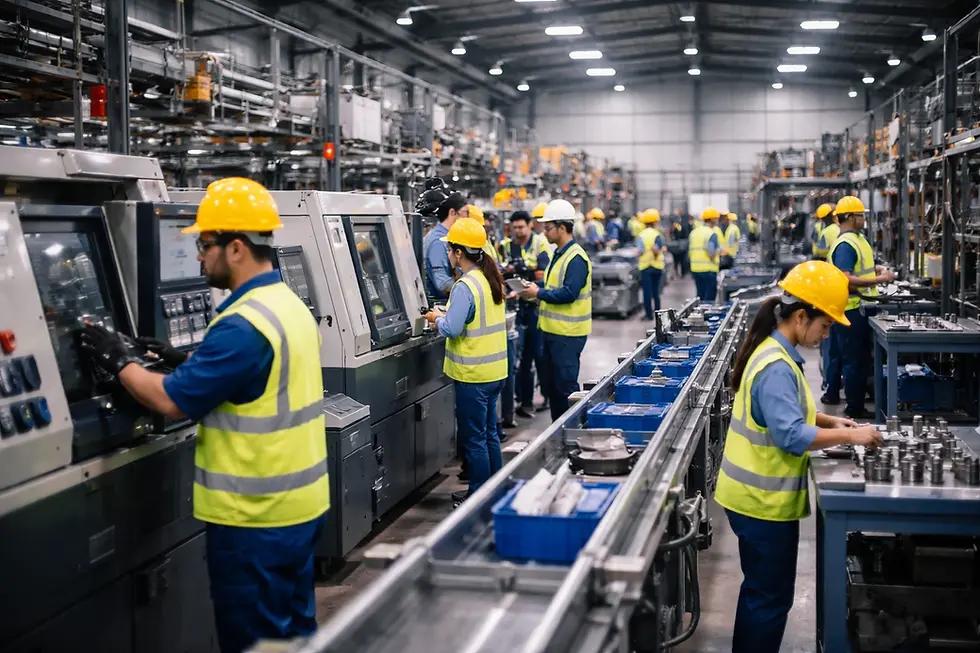
That adjustment has placed several German plants under scrutiny. Blume said the company currently lacks competitive production plans for Emden, Hanover, Zwickau and Audi’s Neckarsulm facility beyond the end of the decade. No decision to close those factories has been taken, but the warning has increased uncertainty among workers and regional governments.
Volkswagen is examining alternatives including external investors, industrial partnerships and the allocation of different products to underused facilities. At Osnabrück, where the current vehicle programme is approaching its end, the group has confirmed advanced discussions with companies from the defence industry over a possible new use for the plant.
The company also believes that some factories could manufacture vehicles developed for the Chinese market or participate in other areas of advanced industrial production.
For Germany, the outcome will have consequences far beyond Volkswagen. The automaker sits at the centre of a vast network of suppliers, logistics companies, engineering businesses and regional economies. Decisions affecting its factories can therefore spread rapidly through the broader industrial system.
The dispute illustrates the central challenge confronting Europe’s automotive sector: how to reduce legacy costs and respond to Chinese competition without weakening the industrial and employment base needed to finance the transition toward electric and software-defined vehicles.
Volkswagen’s transformation will therefore be judged on more than the number of jobs it eliminates. Its success will depend on whether the group can become faster, less complex and more profitable while preserving the technologies, manufacturing capabilities and skilled workforce required for its next generation of vehicles.
The coming decisions may determine not only Volkswagen’s future, but also whether Germany can adapt its traditional industrial model to a global automotive market being reshaped by electrification, software, trade barriers and China’s expanding technological influence.