Von der Leyen Pushes “One Europe, One Market” as EU Links Competitiveness to Energy Independence
The European Commission president is placing competitiveness, energy security and regulatory simplification at the center of the EU agenda, with trade agreements such as Mercosur and Mexico framed as tools to reduce external dependencies.

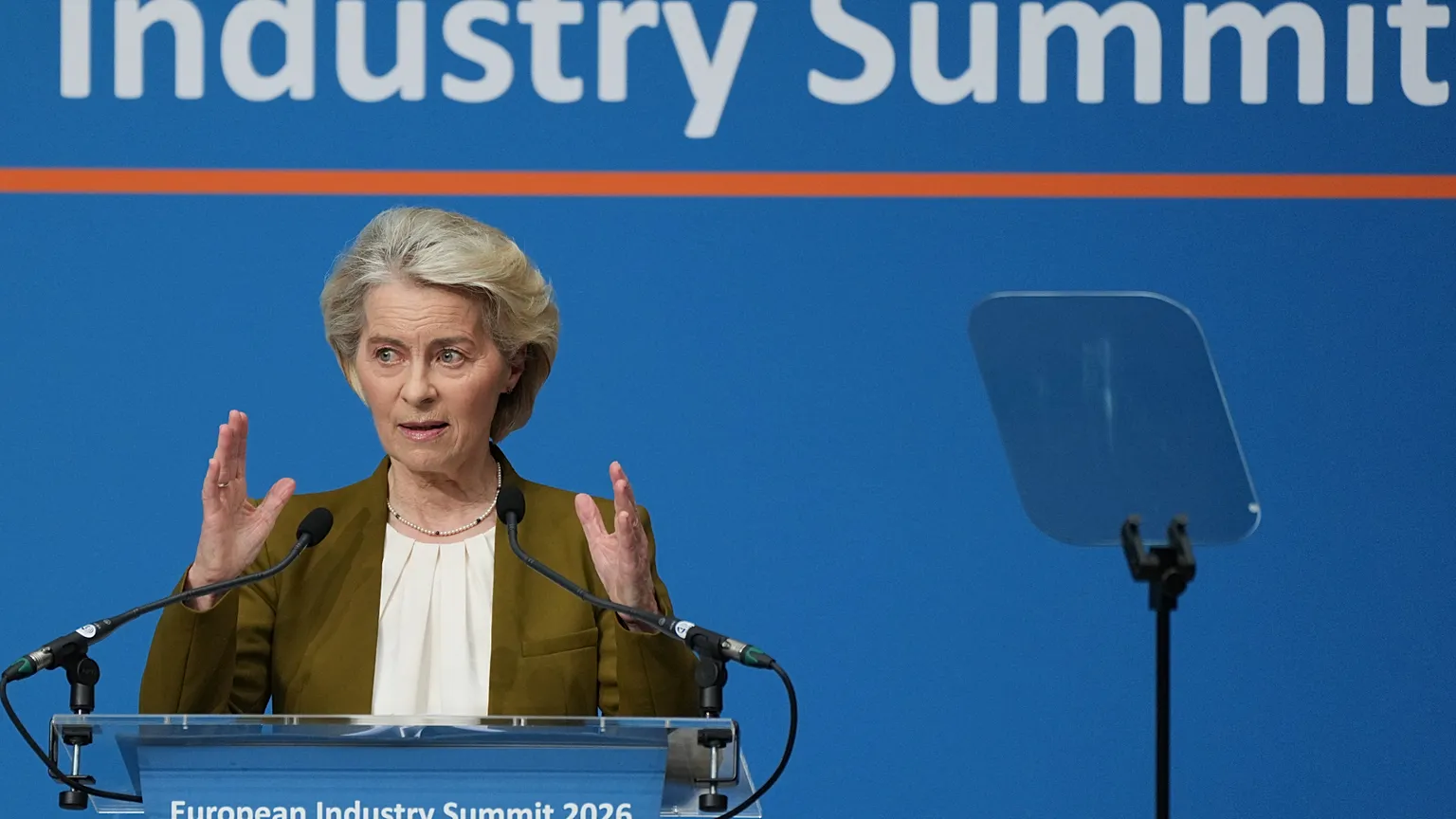
European Commission President Ursula von der Leyen is pushing a sharper competitiveness agenda for the European Union, linking the bloc’s economic resilience to energy independence, deeper single market integration and a broader network of trade agreements.
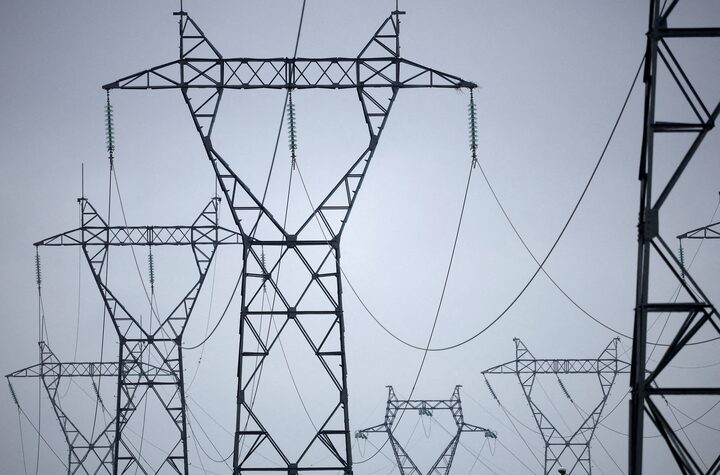
In remarks delivered in Berlin to the leadership of the CDU/CSU parliamentary group, von der Leyen argued that Europe’s current crises are exposing structural vulnerabilities in its economic model. The latest energy shock, triggered by the Middle East crisis and disruptions around the Strait of Hormuz, has reinforced the EU’s dependence on imported fossil fuels and the cost of that exposure.
According to von der Leyen, the EU has already paid €27 billion more for gas and oil imports since the beginning of the crisis without receiving additional supply. Her message was direct: every kilowatt-hour produced in Europe strengthens affordability, economic stability and strategic independence.
The Commission’s approach is built around technology neutrality. Rather than presenting renewables and nuclear power as competing paths, von der Leyen pointed to a combined energy strategy that includes renewable generation, batteries, modern grids and research into small modular reactors. For Brussels, the goal is to reduce exposure to external shocks while keeping energy costs manageable for industry and consumers.
Trade policy is another pillar of the strategy. Von der Leyen cited recent free trade agreements with Mercosur, India and Australia, along with upcoming talks with Mexico, as part of an effort to build the world’s largest network of trade agreements. For Europe–Latin America business relations, the reference to Mercosur and Mexico is especially relevant: Brussels increasingly sees trade deals not only as market-opening tools, but also as mechanisms to secure supply chains and diversify partnerships.
The competitiveness agenda also includes a strong deregulatory component. Von der Leyen highlighted the Commission’s omnibus packages, legislative “spring cleaning” and a new principle of “simplicity by design” for future rules. The objective is to reduce administrative costs for European companies and make the single market easier to navigate.
A key proposal in this effort is EU Inc., part of the so-called 28th regime. The initiative would allow companies to be created fully online within 48 hours, from anywhere in the EU, for less than €100 and under a unified legal framework. The plan is designed especially for startups and scale-ups that currently face fragmented rules across the 27 member states.
That logic feeds into the broader “One Europe, One Market” roadmap, agreed by the Commission, Council and Parliament. The plan aims to remove major remaining barriers in the single market by the end of 2027, turning Europe’s scale into a more effective competitive advantage.
The final layer is defence. Von der Leyen argued that economic strength and security are now inseparable, calling for greater European investment in capabilities ranging from air defence and drones to cyber resilience. In her framing, strategic autonomy depends not only on energy and trade, but also on the capacity to withstand military and hybrid pressure.
For Europe, the message is clear: competitiveness is no longer treated as a narrow economic issue. It is now tied to energy, regulation, trade, defence and industrial policy. For Latin America, the implications are equally significant. As the EU seeks diversified partners and stronger supply chains, countries linked through Mercosur could become increasingly central to Europe’s next growth strategy.