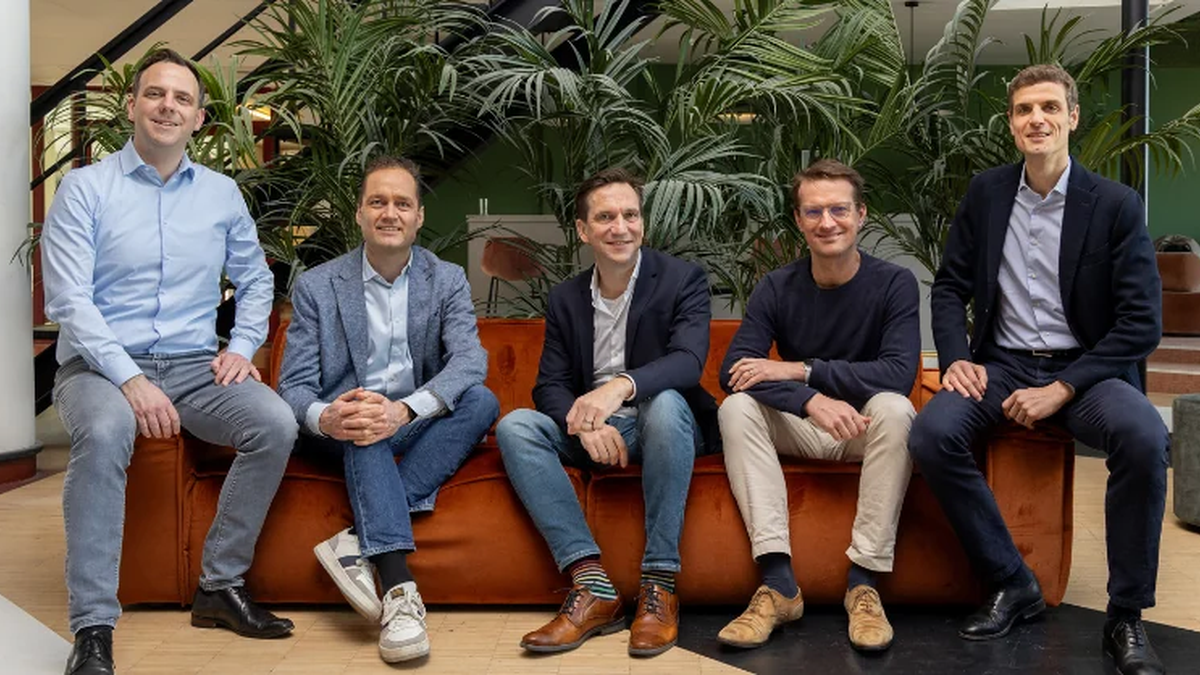
Argentina's PLX Global expands in Europe and develops its own construction software
From Argentina to Spain, PLX Global is combining Lean Construction, digitalisation and collaborative planning. Managing Director Fernando Tettamanti reveals the company's strategy and its development of LeanerX.

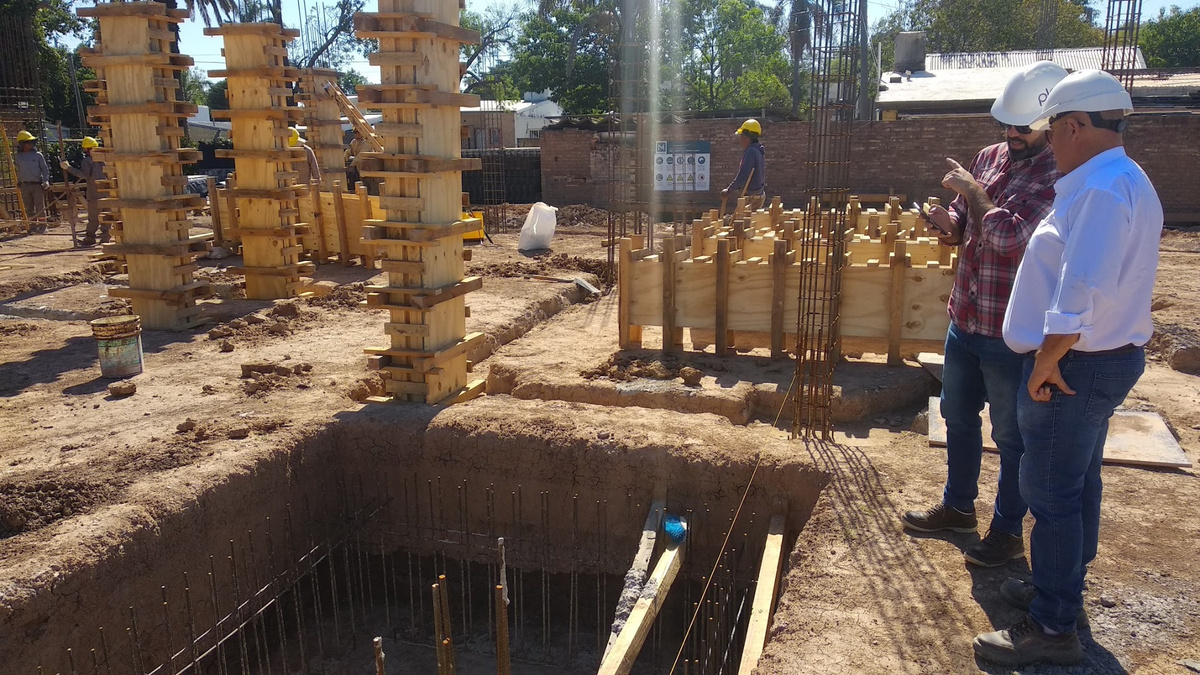
The Argentine construction management consultancy PLX Global is strengthening its international presence through projects in Spain and Italy while developing LeanerX, its own Lean-based project planning and management software suite. The company, founded in Argentina in 2018, seeks to transform the way construction projects are managed by integrating digital tools, collaborative planning and industrial management principles.
In an interview with EUBizNews, Fernando Tettamanti, Managing Director of PLX Global, explained how the consultancy is building a bridge between European and Latin American construction markets, with a business model focused on improving productivity, reducing waste and anticipating potential delays.
The company's origins can be traced back to a question shared by a group of professionals with extensive experience in industrial and construction projects: why did an industry capable of delivering highly complex developments continue to struggle with improvisation, waste and a lack of coordination?
Previous experience applying the Lean philosophy in manufacturing encouraged the team to explore how those principles could be transferred to construction, alongside digital technologies and a people-centred approach to project management.
International expansion emerged naturally from that process. Tettamanti settled in Palma de Mallorca, where he began managing projects in Spain and Italy alongside companies and professionals with whom he had established relationships from Argentina, while the team continued developing solutions in its home market.
The consultancy also established professional and educational connections in Latin America, including Colombia.
“In Europe, we found more examples of collaborative planning and digitalisation, although these vary considerably depending on the company and the project. In Argentina, economic and financial volatility adds a significant difficulty to planning, but we also find teams with a great capacity to adapt,” Tettamanti told EUBizNews.
For the executive, the fundamental challenge is shared by both markets: connecting the people responsible for designing, managing and delivering construction projects.
“Technology helps, but the underlying change is cultural,” he said.
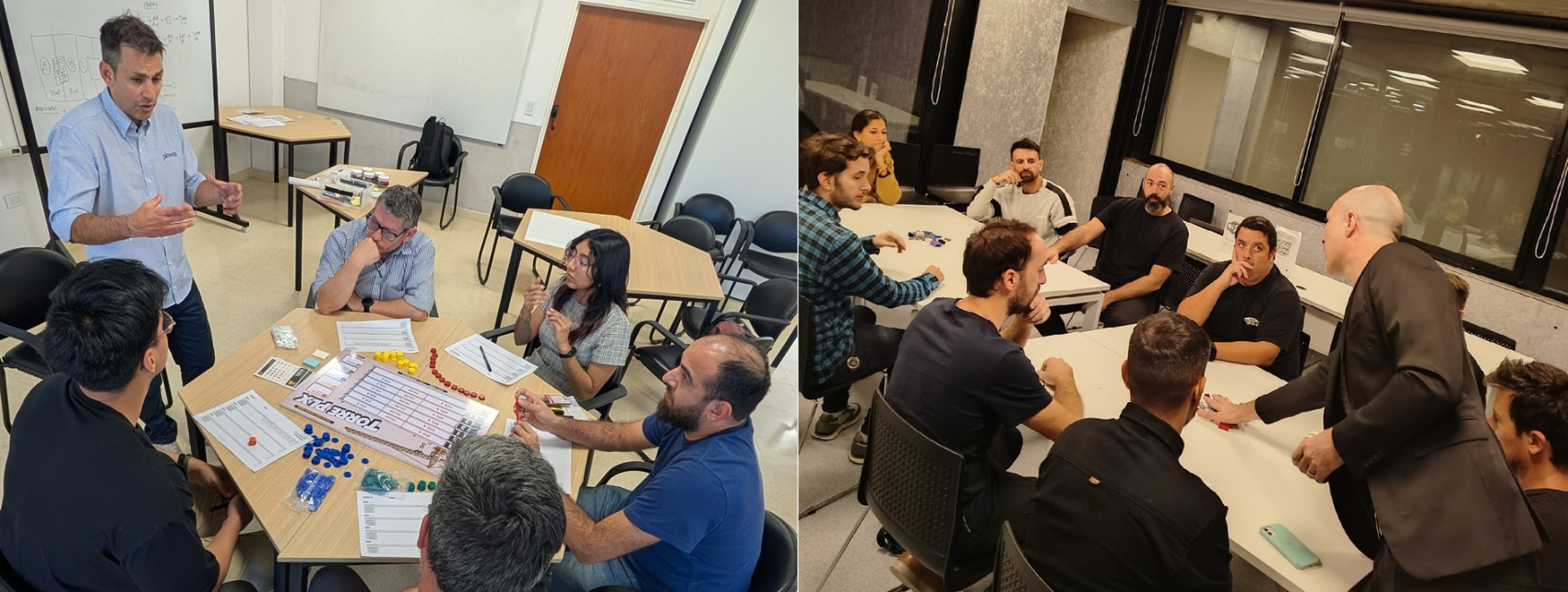
From an 80-square-metre pharmacy to construction projects in Spain
At the centre of PLX Global's business model is Planificación3D®, a proprietary framework that applies Lean principles to three dimensions of construction projects that are traditionally managed separately: administration, design and execution.
The methodology combines Building Information Modelling (BIM), the Last Planner System and collaborative contracting principles, such as Integrated Project Delivery (IPD), when the project environment allows.
Rather than simply identifying delays or budget deviations after they occur, the system seeks to anticipate problems by identifying dependencies, establishing responsibilities and making information available to the teams involved.
“The future of construction does not depend on one exceptional tool, but on connecting all parts of a project through better information management and communication,” Tettamanti explained.
One example of the methodology's implementation was the construction of an 80-square-metre pharmacy in Funes, in Argentina's Santa Fe province.
Despite the project's relatively small scale, the construction team faced a tight schedule and a fixed relocation date. PLX worked alongside the designers, construction managers and contractor, introducing weekly meetings, collaborative planning and visual monitoring of commitments and actual progress.
According to Tettamanti, the project was completed within its contractual deadline, while improvements to the surroundings of the premises that had originally been excluded from the scope were also incorporated without extending the schedule.
“The lesson for us is that you do not need an enormous construction project to benefit from more integrated management. You need to align people and make decisions based on real information,” he said.
The consultancy applied similar principles on a different scale during its first project in Spain. The team combined collaborative master planning with zone-based scheduling, Takt Time, Pull Planning and the 5S workplace organisation methodology.
The project was completed within the agreed timeframe, with the final two months already dedicated to finishing checks and minor corrections.
The experience subsequently encouraged the client company to develop its own internal Lean implementation policy and adopt tools such as the Last Planner System. It now also has a dedicated service for monitoring 5S practices.
For Tettamanti, these experiences demonstrate that one of the greatest obstacles to construction productivity is not a shortage of technological tools, but the fragmentation of information and responsibilities.
“The greatest waste in construction is not necessarily something visible: it is working disconnected from one another,” he said.
LeanerX, artificial intelligence and a transatlantic growth strategy
PLX Global's next phase of development extends beyond traditional consultancy. The company is working on LeanerX, a digital software suite designed to integrate Lean planning and project management based on its own methodology.
To support this technological development, PLX has also established LeanTECH, its research, development and innovation department, responsible for exploring and developing digital solutions grounded in Lean principles.
Artificial intelligence and automation are already being explored and applied in some of the company's internal processes, including information organisation, data analysis, content preparation and the reduction of repetitive tasks.
However, Tettamanti cautioned against adopting technology without a clearly defined purpose.
“First, you need to understand the problem and design a process; then, you apply the tool with judgement and human oversight,” he explained.
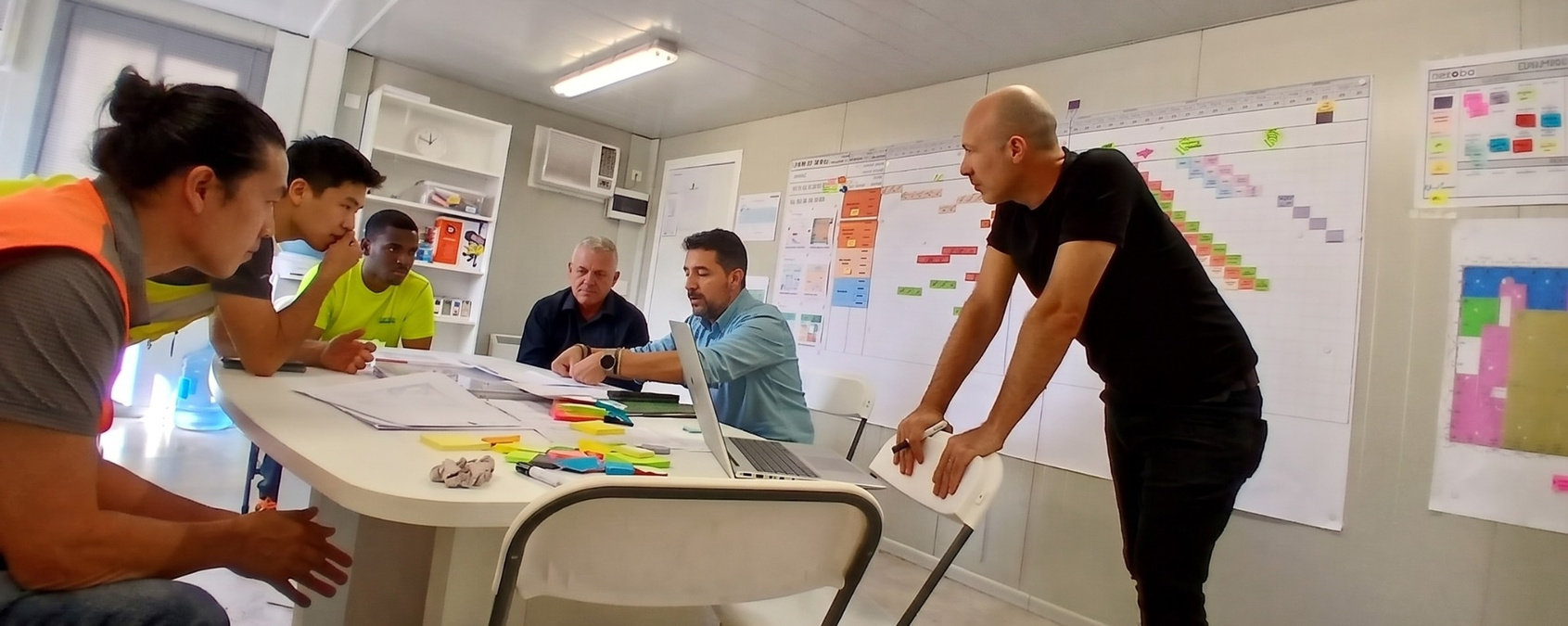
Education is another pillar of the company's expansion strategy. Through Plexa, its professional training division, PLX promotes Lean Construction and digital transformation, reaching students primarily from Argentina, Uruguay, Bolivia, Paraguay and Colombia.
Its training activities, developed alongside Dovel Pontem, have recorded growing interest over recent years, particularly in practical exercises and case studies.
The company also intends to strengthen its relationships with universities, professional associations and technical schools, while continuing to exchange knowledge with the international Lean Construction Institute (LCI) community.
Those international connections have even taken Tettamanti to Japan, where he participated in the first Lean Construction training programme delivered by AOTS, an organisation internationally recognised for its Lean Manufacturing training and connections with Toyota leaders.
PLX is also preparing a book on Planificación3D®, conceived as a practical implementation manual drawing on ten years of experience.
Looking ahead, the company's objective is to deepen its activities in Argentina and Spain, expand professional partnerships and strengthen the exchange of knowledge between different construction markets.
“The transfer between Europe and Latin America goes both ways: we can share experiences in planning, digitalisation and collaboration, but we can also learn from the creativity and adaptability of Latin American teams,” Tettamanti said.
Further information about PLX Global's consultancy and training activities is available at plx.global and plexa.com.ar. The company also maintains a presence on LinkedIn and Instagram, alongside Fernando Tettamanti's professional LinkedIn profile.
For PLX Global, international expansion is not about exporting a single management model. It is about combining knowledge, technology and local expertise to improve how construction projects are delivered on both sides of the Atlantic.