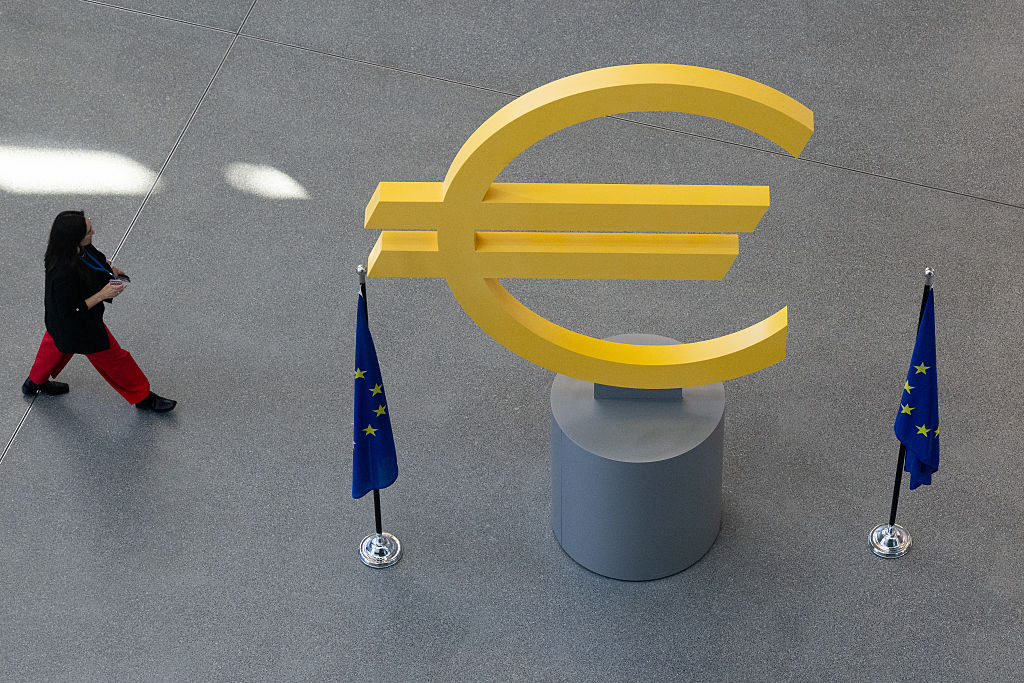
ECB Invites Millions to Shape Future Euro Banknotes as Survey Deadline Nears
The European Central Bank is seeking public input on new euro banknote designs, with over 9 million Europeans already participating ahead of the 21 September survey deadline.
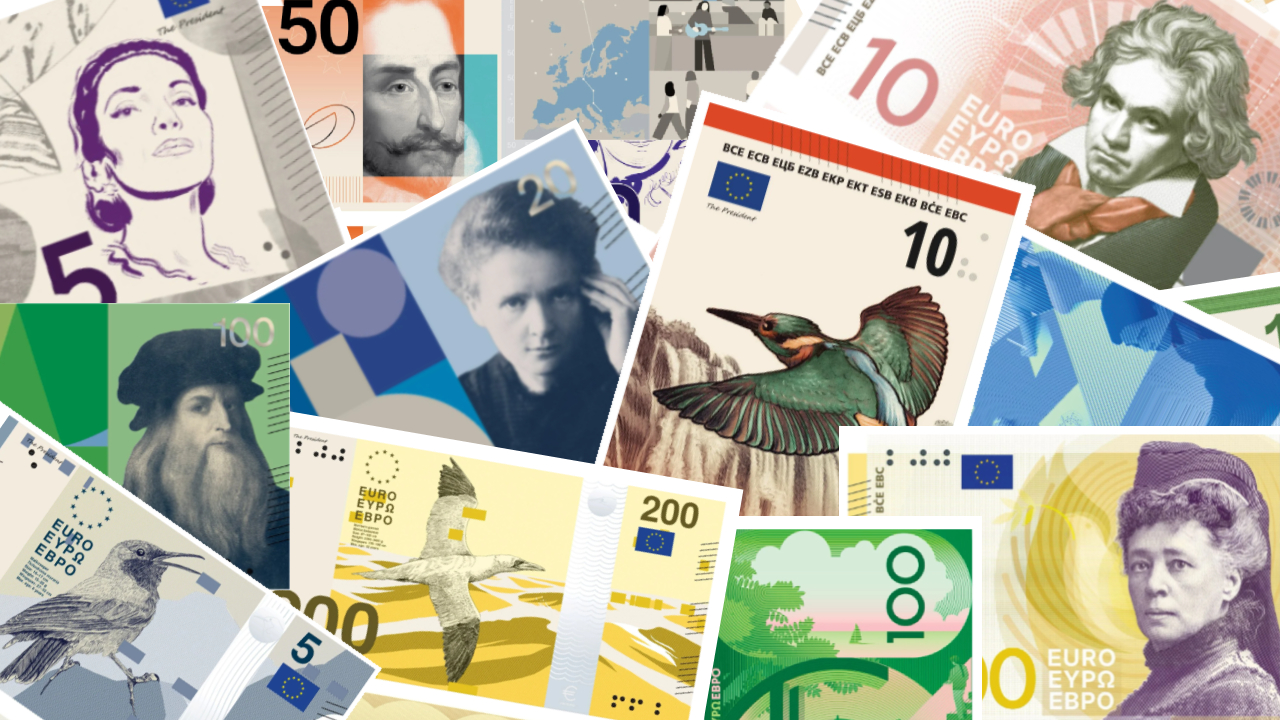
The European Central Bank (ECB) has called on Europeans to cast their votes on the future designs of euro banknotes, as the public survey nears its 21 September closing date. More than 9 million people have already participated, making this one of the largest public consultations in the ECB's history.
The survey, which offers choices such as 'European culture' and 'Rivers and birds' as themes, marks a rare opportunity for citizens to influence the look of currency used daily by over 340 millionpeople across the euro area. According to the ECB, engaging the public is intended to foster trust and strengthen the euro’s role as a shared symbol.
Piero Cipollone, member of the ECB Executive Board, emphasized the ongoing importance of cash, despite the rise of digital payments. "Cash remains vital in daily life and a key component of financial inclusion," Cipollone stated, reflecting growing policy attention to ensuring all Europeans have access to physical money.
The ECB expects its Governing Council to make a final decision on the new designs around the end of 2026. The redesigned banknotes are scheduled to begin entering circulation gradually from 2029, coinciding with the potential introduction of the digital euro.
Currently, there are more than 31 billion euro banknotes in circulation, valued at over €1.6 trillion and growing at an annual rate of about 3%. Additionally, Europeans use more than 150 billion euro coins.
The redesign process comes as the ECB and European policymakers seek to balance cash’s enduring role with the expansion of digital payments. The Single Currency Package—a set of proposed EU laws—aims to reinforce the legal tender status of cash, supporting both financial inclusion and privacy.
For businesses and investors, the ECB’s dual strategy highlights the need to serve cash-reliant sectors while preparing for increased competition from digital alternatives. The survey’s high level of participation may also help ensure broad acceptance for the new notes, at a time when payment preferences are evolving rapidly across Europe.
The ECB has not disclosed the specific designs under consideration beyond the general themes, nor how survey results will directly shape the final decision. However, the bank has signaled that public feedback will play a central role in the redesign process, which could set a precedent for future engagement in central bank decisions.