Danish Startup Secures €4 Million to Scale Tech-Driven Apparel Manufacturing in Portugal
Rodinia Generation will expand its patented O-FACTORY® technology in Portugal after raising €4 million, aiming to accelerate sustainable fashion manufacturing in Europe.

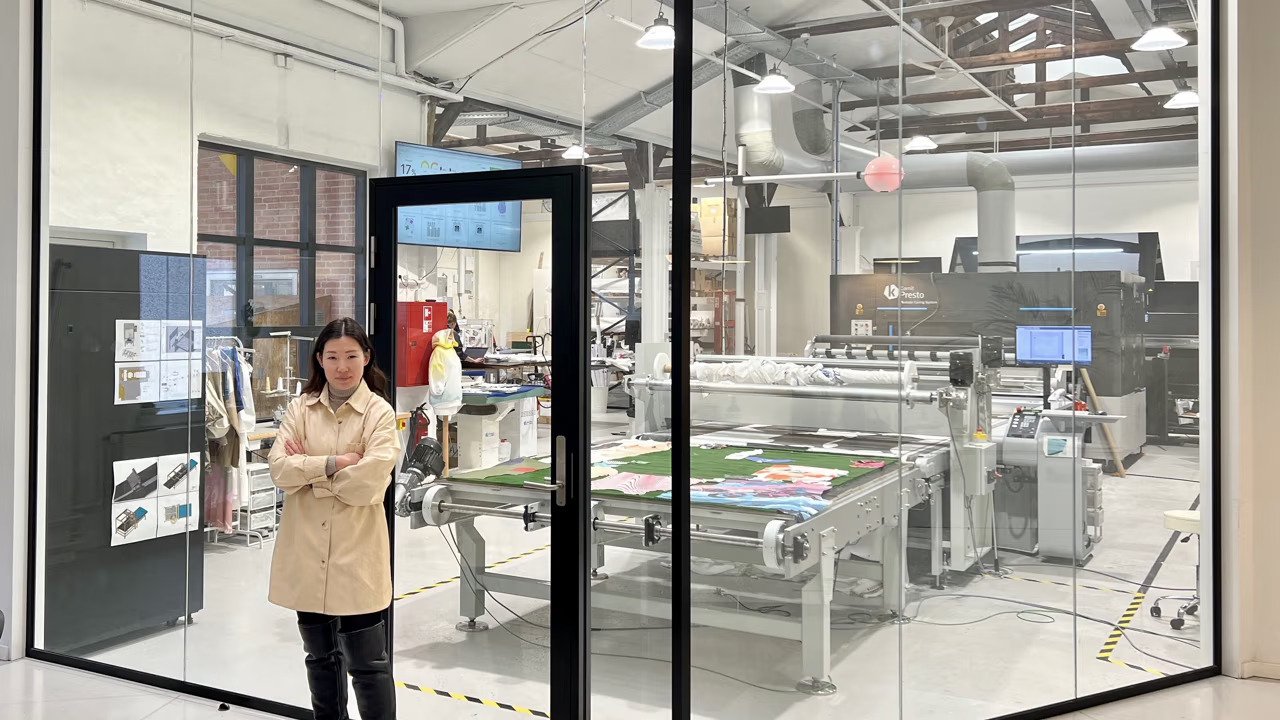
Rodinia Generation, a Danish startup specialising in tech-powered apparel manufacturing, has raised €4 million in a funding round led by Vitamin°C to scale its patented O-FACTORY® technology in Portugal, according to the company.
The investment, which also included participation from existing investors Climentum Capital and EIFO, will enable Rodinia Generation to expand its production capacity and accelerate the adoption of onshore, tech-driven apparel manufacturing. The company claims its O-FACTORY® system supports a wider range of designs and quantities produced closer to market demand, a model that aims to reduce waste and promote more sustainable practices in the fashion sector.
European Union policymakers have increasingly prioritised sustainability and circularity in manufacturing, especially in industries such as fashion, which faces scrutiny over its environmental impact. Rodinia’s expansion in Portugal is positioned to support these EU objectives by localising production, minimising supply chain delays and reducing overproduction.
The funding round underscores the growing role of venture capital in supporting sustainable startups. Vitamin°C, a Swiss-US venture fund, led the investment, signalling continued international interest in European manufacturing innovation. The involvement of Climentum Capital and EIFO—both existing backers—demonstrates confidence in Rodinia’s long-term strategy and its potential to capture market share as brands seek to align with stricter sustainability standards.
For apparel brands operating in and beyond Europe, the ability to produce designs closer to actual demand is expected to cut lead times and enhance responsiveness to shifting consumer preferences. This could also strengthen European production ecosystems, reducing reliance on distant manufacturing hubs and offering new opportunities for technology transfer—including potential collaboration with Latin American partners as trade relations evolve.
Despite the optimism, Rodinia and its investors face risks tied to fashion market volatility and evolving regulatory requirements. Nonetheless, the funding highlights sustained momentum behind tech-led approaches to sustainable manufacturing, with Portugal emerging as a key site for innovation and capacity building.