
Wireless Bipolar Electrodes Boost Zinc-Air Battery Power by 80%
A Spanish-Argentine research team has unveiled a zinc-air battery design that raises power output by 80%, with implications for renewable energy storage.

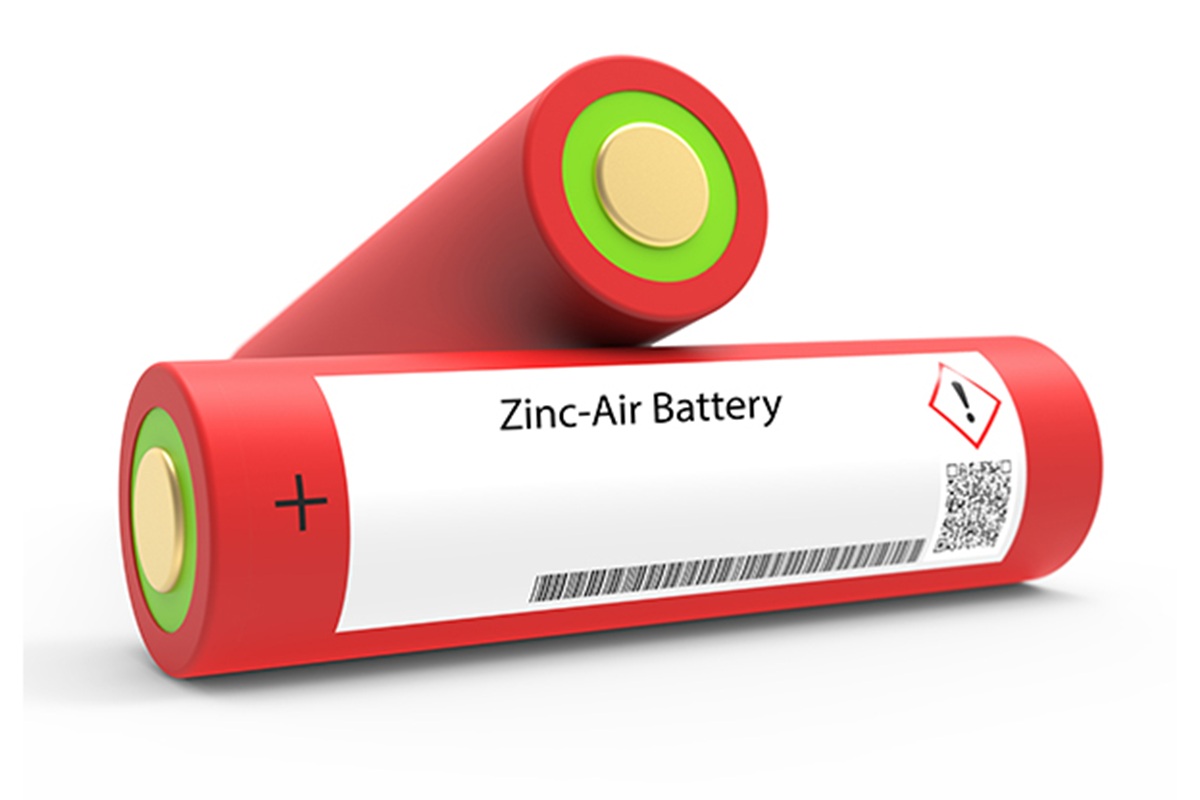
Researchers from the Institute of Materials Science of Barcelona (ICMAB-CSIC), the Catalan Institute of Nanoscience and Nanotechnology (ICN2), and the National University of La Plata have developed a new architecture for zinc-air batteries that increases power output by up to 80%. Their findings, published in August in Energy Storage Materials, could accelerate the adoption of zinc-air technology in renewable energy and electric vehicle markets.
The team’s innovation centers on a wireless bipolar electrode configuration. Unlike conventional designs, the conductive elements inside the battery are not connected by wires to the main electrodes or the external circuit. This redesign reduces internal resistance, a limitation that has historically hampered the performance of zinc-air batteries by slowing down the oxygen-involved electrochemical reactions.
According to the research, the architecture achieves the efficiency gain without altering the battery’s core chemistry. This means manufacturers could potentially integrate the concept into existing production lines with minimal disruption, pending further engineering development.
The advancement is particularly significant for the renewable energy sector. Zinc-air batteries, known for their high energy density and use of abundant materials, have long been considered a promising candidate for large-scale energy storage. Greater efficiency could make them more competitive with lithium-ion and other battery technologies, especially for grid storage and backup applications crucial to expanding wind and solar power.
However, challenges remain before commercialization. Scaling the new design for industrial production will require overcoming technical and cost barriers, and its performance must be validated in real-world storage systems. Still, the researchers suggest that the concept could extend to other battery chemistries, potentially broadening its impact across the energy storage market.
The development underscores the ongoing search for improved, cost-effective solutions as Europe and Latin America increase their investments in renewable energy infrastructure.