
ECB’s Isabel Schnabel: Transparency and Rate Hikes Outline Path Through Overlapping Shocks
ECB Executive Board member Isabel Schnabel stressed the central bank’s commitment to price stability and greater transparency as the euro area faces overlapping economic shocks.

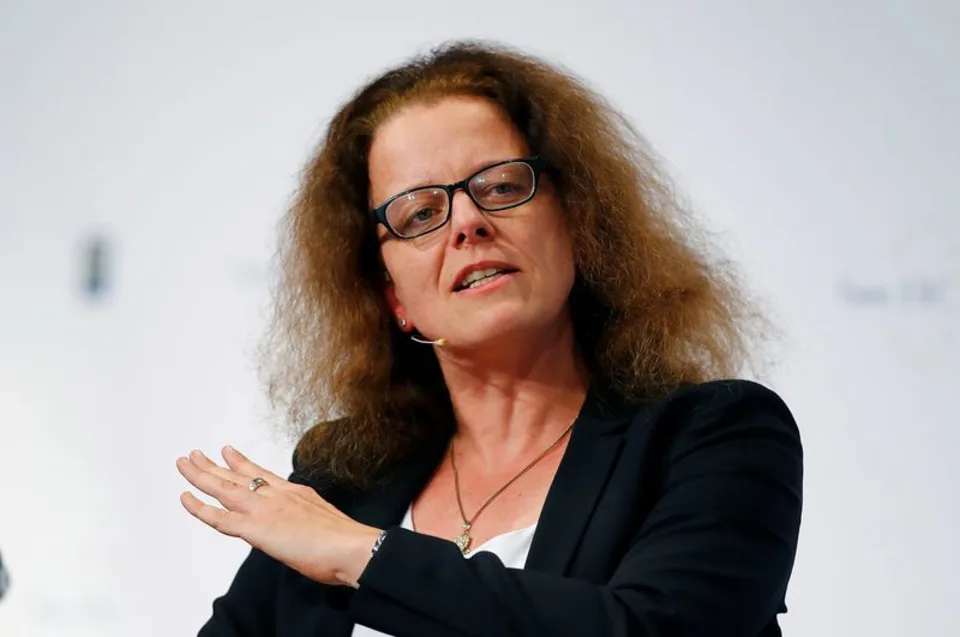
Isabel Schnabel, a member of the European Central Bank (ECB) Executive Board, has reaffirmed the ECB’s focus on price stability and the need for transparency as the euro area confronts overlapping economic shocks, including the recent conflict in the Middle East.
Speaking at the 8th Annual EC-EIB-ESM Capital Markets Seminar in Luxembourg on 30 September 2026, Schnabel outlined how the ECB is adapting its monetary policy framework to address a series of inflationary pressures. She pointed to the central bank’s main mandate: maintaining inflation at its 2% target.
Since June 2023, the ECB has raised its key interest rates by 50 basis points, lifting the deposit facility rate from 2% to 2.5%. According to Schnabel, these moves are a direct response to the uptick in inflation expectations triggered by geopolitical tensions, notably the Middle East conflict, which have fed through to higher real bank lending rates and affected economic sentiment across the euro area.
Schnabel emphasized that the ECB Governing Council has made its policy stance more transparent by clarifying its reaction function—how it responds to economic data and shocks. This step, she argued, is designed to stabilize market expectations and reinforce the central bank’s credibility at a time of heightened uncertainty.
The central bank’s approach carries significant implications for businesses and consumers. Higher interest rates can restrain inflation but may also slow economic growth by dampening consumer spending and business investment. Schnabel acknowledged these risks, noting the challenge of preventing inflation expectations from becoming unanchored while supporting recovery in a post-pandemic landscape.
For the European Union as a whole, the ECB’s stance directly shapes the region’s economic stability and influences decisions on trade, investment, and employment. Enhanced policy transparency may foster greater public trust, which could prove vital as the ECB navigates future shocks.
Schnabel’s remarks underscore the ECB’s determination to remain adaptive, with ongoing monitoring of inflation expectations among households and businesses seen as key to sustaining credibility and stability in a volatile global environment.