Europe’s Ageing Energy Grids Expose Risks to Transition and Investment
A new report from SET Ventures and Future Energy Ventures finds 40% of EU energy grids are over 40 years old, raising urgent questions for policy, investment and competitiveness.

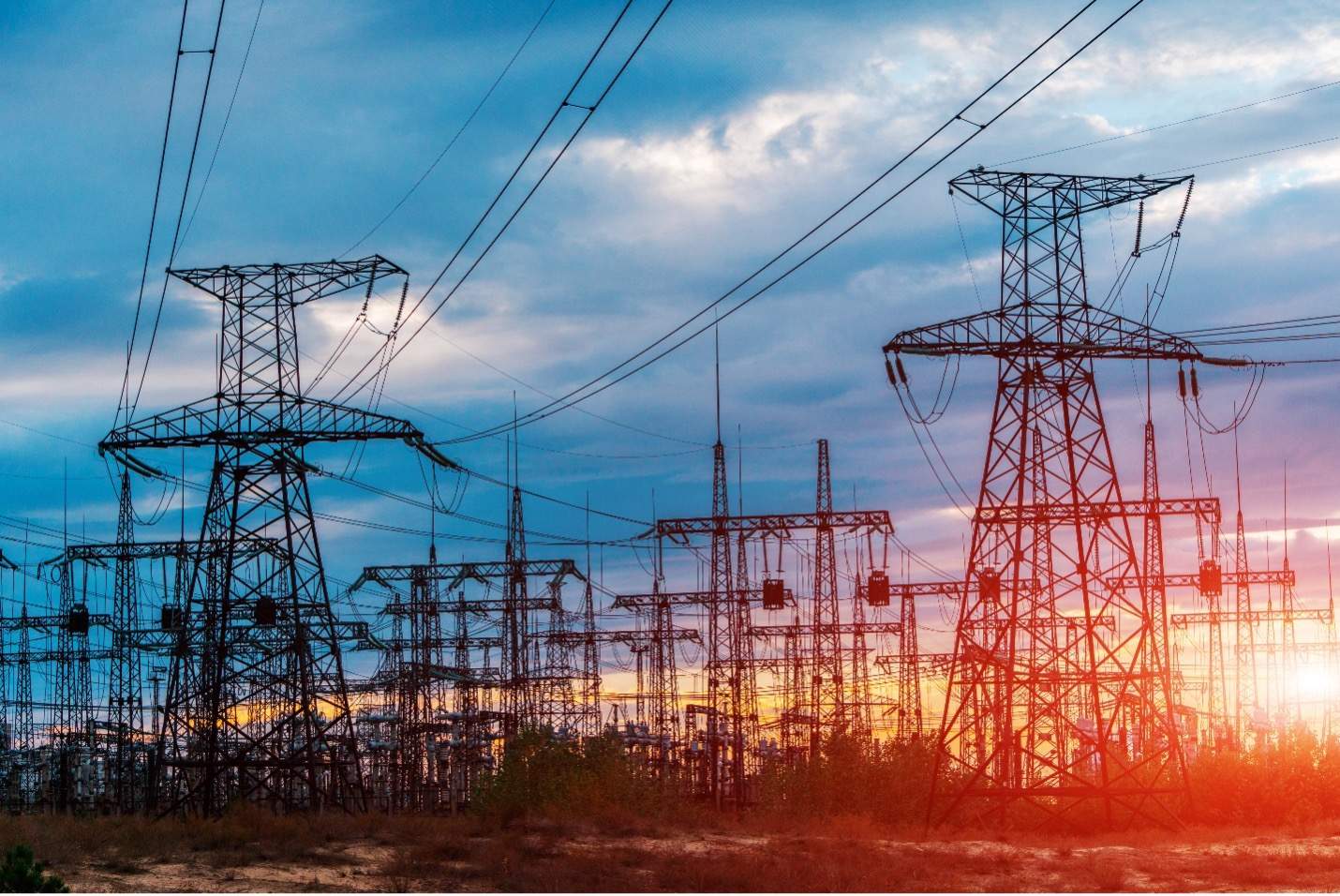
Europe’s ability to lead the global energy transition is at risk as new figures reveal that approximately 40% of its energy grids are more than 40 years old, according to a report by SET Ventures and Future Energy Ventures.
The report highlights that Europe faces a dual challenge: modernising its ageing infrastructure and addressing a severe workforce gap, with over one million additional workers needed to support the transition to cleaner energy systems. These findings cast doubt on whether the region can keep pace with technology-led competitors such as China and the United States.
SET Ventures and Future Energy Ventures warn that outdated grids could slow the integration of renewables and delay efforts to decarbonise, raising costs and undermining both reliability and security of supply. The data suggests that unless substantial upgrades are prioritised, investment in new energy technologies could be hampered by physical bottlenecks and regulatory uncertainty.
For European policymakers, the scale of the challenge is likely to shape energy funding allocations and stimulate debate over how to attract skilled labour. The report comes as the EU seeks to accelerate its Green Deal agenda, but the infrastructure deficit may force difficult choices over which sectors and regions to prioritise.
The workforce shortfall also raises questions for companies and investors. Higher labour costs and project delays could weigh on returns, while the lack of qualified technicians may slow digitalisation and the rollout of smart grid technologies—areas where both China and the US have moved quickly.
For Latin American partners, the European grid’s technology gap could create new opportunities for collaboration on renewable energy projects or workforce training initiatives. Companies in the region may find openings to export expertise or form joint ventures as the EU seeks to bridge its skills gap.
With the report underscoring the urgency of upgrading infrastructure and developing talent pipelines, market observers will be watching for details on how the EU and its member states plan to prioritise spending and reform energy policy to meet these challenges.