Einride and Lidl deploy Germany’s first driverless cab-less truck on public roads
Einride and Lidl have launched Germany’s first SAE Level 4 autonomous cab-less truck for daily operations on public roads, signaling a new era for logistics efficiency in Europe.
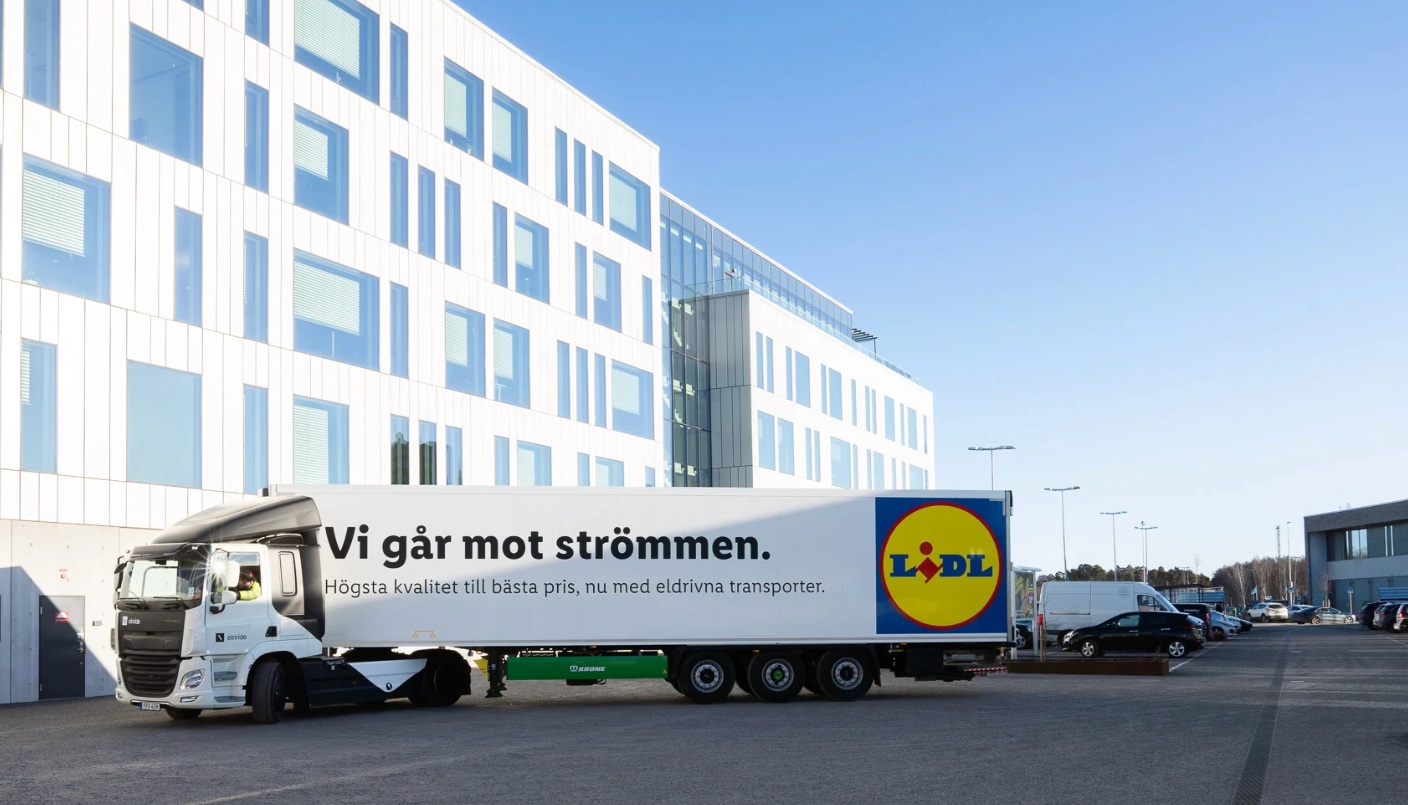
Einride and Lidl have begun daily operations of Germany’s first cab-less SAE Level 4 autonomous truck on public roads, a move that could reshape logistics efficiency across Europe.
The deployment, announced today, marks the first time a driverless, cab-less truck is operating on public roads in Germany without a safety operator, under a unique permit granted by Germany’s Kraftfahrt-Bundesamt (KBA). This regulatory milestone allows the electric vehicle to function fully autonomously within defined parameters, advancing Europe’s adoption of self-driving technology.
The truck’s SAE Level 4 classification means it can perform all driving tasks without human intervention in certain conditions, removing the need for a cab or driver’s seat. This technical leap enables new vehicle designs and operational models, potentially lowering costs for logistics providers by reducing reliance on human drivers and maximizing asset utilization.
For Lidl, part of the Schwarz Group, the initiative could streamline supply chain operations and enhance delivery reliability. By automating freight movement, Lidl may reduce logistics expenses and increase flexibility in routing and scheduling, critical factors in the competitive food retail sector.
The collaboration with Einride highlights the growing interest among European retailers and transport firms in autonomous freight solutions. As companies seek greater efficiency amid labor shortages and rising costs, driverless trucks could offer a path to scalable, sustainable logistics.
However, scaling such deployments across Germany and the broader EU will require navigating complex regulatory environments. Each country’s rules on autonomous vehicles differ, and public acceptance remains a significant hurdle, particularly regarding safety and liability concerns.
If successful, the project could accelerate the commercialization of autonomous trucking in Europe, triggering further investment and innovation. For investors and companies in logistics, the initiative signals tangible progress toward operational autonomy, with potential implications for cost structures and competitive dynamics across the supply chain.
The KBA permit granted to Einride and Lidl will likely serve as a reference for other regulatory bodies evaluating similar projects, potentially shaping the future of autonomous transport regulation in the region.