Energy Markets Face Long Road to Recovery Despite Iran Agreement
The announcement of a framework agreement between the United States and Iran has eased immediate fears of a prolonged energy crisis, sending oil and gas prices lower.

The prospect of a diplomatic breakthrough between Washington and Tehran has provided some relief to global energy markets after months of disruption linked to the conflict in the Middle East and the closure of the Strait of Hormuz, one of the world's most critical energy transit routes. Oil prices fell sharply following news of the agreement, while equity markets responded positively to expectations of increased energy flows.
Yet energy analysts caution that the end of hostilities does not automatically translate into a rapid normalization of supply. Significant portions of oil production, refining capacity and liquefied natural gas (LNG) infrastructure across the region remain affected by months of disruption.
Recovery will take time
According to industry estimates, more than 14 million barrels per day of oil production were disrupted during the crisis, representing roughly 14% of global demand. Several refineries, export facilities and logistics networks also suffered operational interruptions that cannot be reversed overnight.
Even if shipping traffic through the Strait of Hormuz resumes normally, companies must still restart production, secure insurance coverage, rebuild inventories and restore transportation networks. Experts estimate that some facilities could return to operation within weeks, while others may require several months or longer.
The situation is particularly complex for natural gas markets. LNG facilities in the Gulf region are expected to require gradual restarts, limiting the speed at which global gas supplies can recover.
Europe remains vulnerable
For Europe, the crisis has highlighted the continent's continued exposure to external energy shocks despite major investments in renewable energy and diversification efforts.
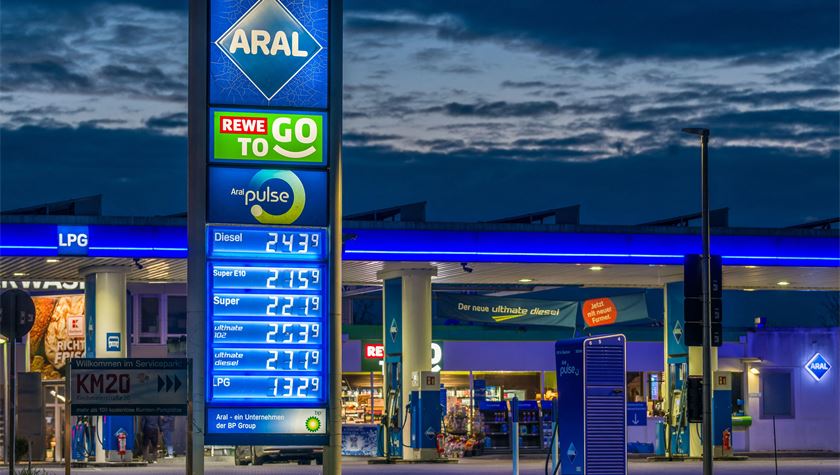
European policymakers have repeatedly warned that energy prices are unlikely to return quickly to pre-crisis levels. While oil prices have declined since the agreement was announced, supply shortages, damaged infrastructure and depleted inventories continue to create risks for businesses and consumers.
The European Commission and national governments are already evaluating contingency measures to protect industries and maintain energy security while markets stabilize.
What it means for Latin America
The prolonged recovery period could create opportunities for energy-producing countries in Latin America.
As global buyers seek to diversify supply sources and reduce dependence on geopolitical hotspots, countries such as Argentina, Brazil, Guyana and Mexico may attract additional attention from investors and energy companies.
Argentina's Vaca Muerta shale formation, Brazil's offshore oil fields and emerging LNG projects across the region are increasingly viewed as strategic assets in a world seeking more resilient energy supply chains. Continued uncertainty in the Middle East may accelerate investment decisions in these markets.
For Latin American exporters, the crisis underscores the value of geographic diversification and the growing importance of stable, long-term energy partnerships with Europe and Asia.
Energy security becomes a global priority
The events of 2026 have reinforced a broader trend already underway: energy security is becoming as important as energy affordability.
Governments and corporations are reassessing supply chains, strategic reserves and sourcing strategies to reduce exposure to future geopolitical disruptions.
At the same time, the crisis is expected to accelerate investment in renewable energy, grid modernization and alternative energy sources, particularly across Europe, where policymakers continue to push for greater strategic autonomy.
While the Iran agreement has reduced immediate tensions and helped lower energy prices, the recovery of global oil and gas supplies is expected to be gradual. For Europe, the episode serves as another reminder of the importance of energy diversification. For Latin America, it could create new opportunities to strengthen its position as a reliable supplier in an increasingly fragmented and security-focused global energy market.