EU Accelerates Strategic Minerals Push to Mitigate China Trade Risks
The EU is backing €21bn in strategic minerals projects to secure vital raw materials and reduce reliance on China, amid rising trade tensions.

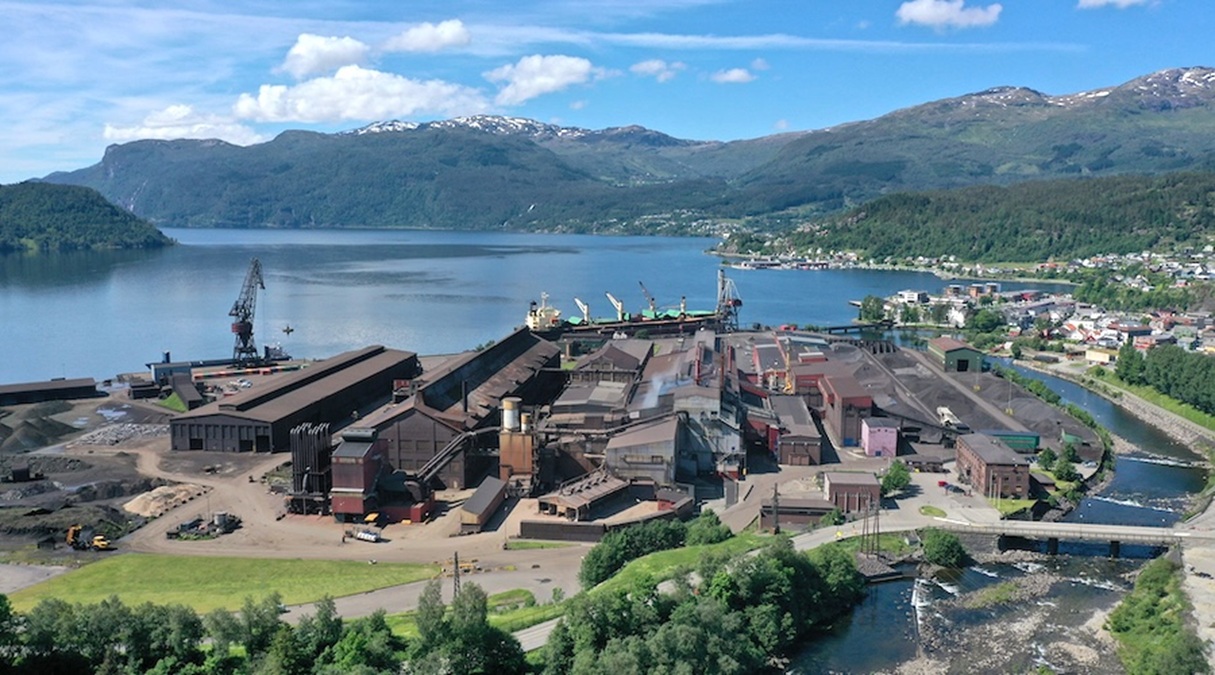
The European Union is intensifying efforts to secure critical raw materials by supporting 46 strategic minerals projects worth €21 billion, a move officials describe as essential to averting a potential trade crisis with China.
Announced on 9 October by EU Industry Commissioner Stéphane Séjourné, the initiative aims to accelerate domestic supplies of minerals such as lithium and rare earths by 2030. The effort is driven by concerns that the bloc’s heavy reliance on Chinese imports could threaten the stability of key sectors including automotive, defense, and renewables if trade relations deteriorate.
Three flagship projects highlight the scope and ambition of the EU’s approach: a rare earths processing plant in France, a gallium plant in Greece, and a lithium extraction facility in Finland. The Carester rare earths plant in France alone is projected to account for 15% of global production once operational in late 2026.
The European Investment Bank has committed €660 million to eight of the projects, including €150 million for the Keliber lithium facility in Finland. However, recent setbacks—such as the judicial liquidation of French lithium refiner Viridian Lithium—have fuelled industry skepticism over the EU’s ability to meet its 2030 raw materials independence target.
The strategy is underpinned by the Critical Raw Materials Act, which mandates a reduction in foreign dependency. By accelerating permitting and investment, the EU hopes to replicate Japan’s success in cutting its reliance on Chinese rare earths, a move seen as crucial for economic resilience and supply chain security.
Geopolitically, the initiative reflects the EU’s efforts to insulate itself from potential supply shocks amid rising tensions with Beijing. While the bloc seeks to avoid open confrontation, officials acknowledge that a failure to secure raw materials could leave European industry exposed to global market volatility and political pressure.
The stakes extend beyond Europe. Latin American countries, as significant sources of lithium and other key minerals, could see increased investment and deeper trade engagement as the EU looks to diversify supply chains. For policymakers and investors, the outcome of the EU’s mineral strategy will shape the future landscape of global resource politics and industrial competitiveness.
Despite the ambitious scale, questions remain over whether the EU can deliver on its targets and how it will manage the risks of escalating trade disputes with China. The months ahead will test both the political will in Brussels and the capacity of European industry to execute on this strategic pivot.