EU Faces 7% Winter Gas Demand Cut as Storage Hits Record Low Amid Geopolitical Strains
The EU may need to cut gas consumption by 7% this winter, as record-low storage levels and geopolitical tensions drive up prices and risk energy shortages, according to IEEFA.

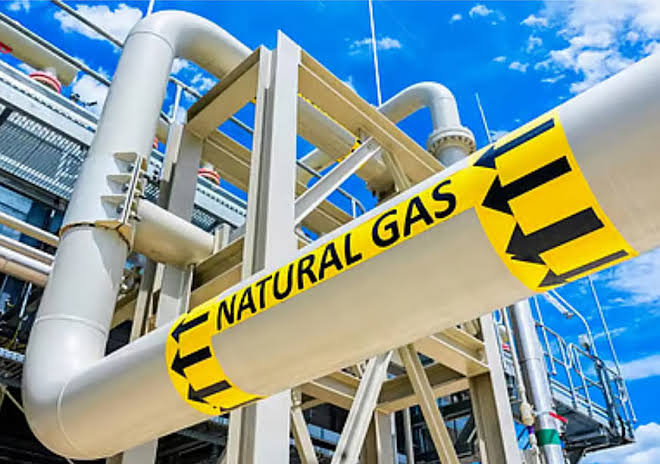
European Union gas storage levels have fallen to their lowest point for this time of year since 2011, prompting warnings from the Institute for Energy Economics and Financial Analysis (IEEFA) that the bloc may need to cut winter gas demand by 7% to avoid shortages and further price increases.
As of 3 October 2023, EU gas reserves stood at 72.4% full, significantly below previous years, according to IEEFA data. The analysis estimates that the bloc will need to burn 14 billion cubic metres (bcm) less gas between November and March compared to last winter. Attempting to close the storage gap with extra imports, rather than demand cuts, would require an additional €3 billion—a 12% premium over last year’s costs.
Dutch TTF futures, the European gas benchmark, spiked to €84.5 per megawatt-hour in mid-September 2023, the highest level since 2022. Prices have been sent higher by ongoing conflict in Iran, which began on 28 February 2023 and has disrupted key LNG shipping routes, as well as the EU’s impending ban on Russian LNG imports set for January 2027.
The prospect of a late-winter cold spell poses additional risks, as emptier storage facilities release gas more slowly, potentially exacerbating supply shortages. EU Energy Commissioner Dan Jørgensen has urged member governments to implement measures to curb demand, while Germany, the Netherlands, and Spain have moved to bolster reserves and manage storage targets ahead of winter. Germany’s state-owned importer SEFE faces a 15 December deadline to store eight terawatt-hours of gas, reflecting the urgency of the situation.
The financial impact of these developments is significant. According to the European Commission led by President Ursula von der Leyen, the increased cost of fossil fuel imports places further strain on European economies, potentially deterring new investment in gas infrastructure. This may accelerate the shift towards renewable energy sources and energy efficiency initiatives, as governments and businesses seek to reduce exposure to volatile fossil fuel markets.
For European and Latin American investors and companies, the heightened risk and cost associated with gas storage underscore the need to diversify energy portfolios and consider long-term strategies for energy security. The situation also presents opportunities: investment in renewables and innovation in energy storage could help mitigate winter demand peaks and reduce dependence on imported gas.
With geopolitical tensions unlikely to ease in the near term, the EU’s approach to energy management this winter will be closely watched by policymakers, industry leaders and global markets alike.