
EU–Mercosur Trade Agreement Could Accelerate Stablecoin Adoption in Cross-Border Commerce
The proposed European Union–Mercosur trade agreement could become a catalyst for the use of stablecoins in international trade, as businesses seek faster, lower-cost payment solutions to support growing commercial flows between the two regions.

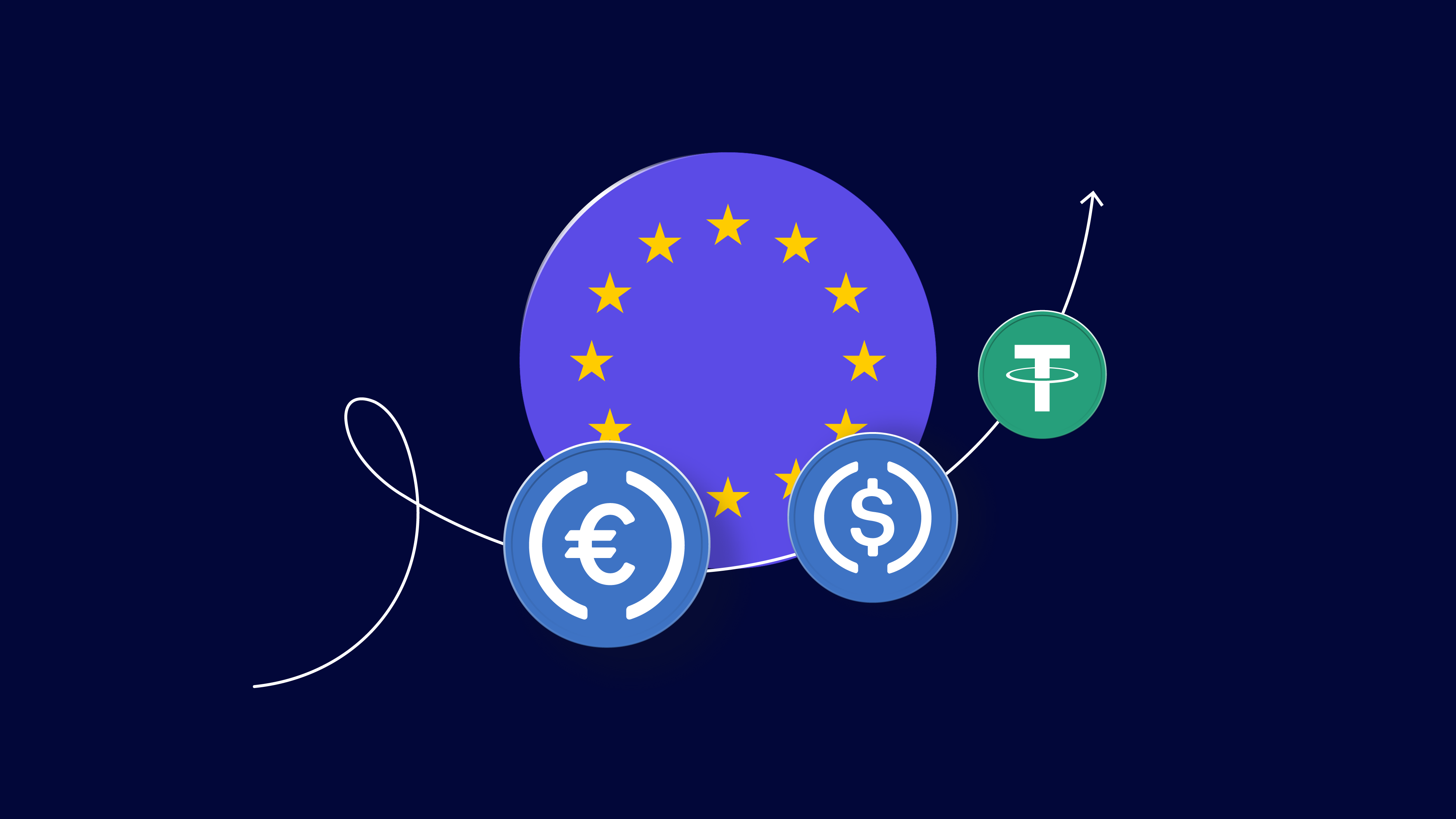
As the European Union and Mercosur move closer to implementing one of the world's largest trade agreements, financial technology experts believe the pact could also reshape the way companies settle international transactions.
Beyond reducing tariffs and expanding market access, the agreement may accelerate discussions around the use of stablecoins as an efficient tool for cross-border payments between Europe and South America.
Stablecoins—digital assets whose value is typically linked to traditional currencies such as the euro or the U.S. dollar—have gained increasing attention from financial institutions and multinational companies seeking faster, more predictable and lower-cost international transactions.
Trade between Europe and Mercosur is expected to expand significantly once the agreement enters into force, increasing demand for payment systems capable of reducing settlement times, lowering transaction costs and minimizing currency volatility.
For exporters and importers operating across multiple jurisdictions, conventional international transfers often remain expensive, slow and operationally complex.
Digital payment technologies are increasingly being viewed as an alternative capable of simplifying those processes.
Unlike more volatile cryptocurrencies, stablecoins are designed to maintain price stability, making them more suitable for commercial transactions and international settlements.
Supporters argue that their use could improve liquidity management, reduce intermediary costs and facilitate payments between companies operating in different currencies.
The debate also coincides with Europe's evolving regulatory framework for digital assets.
The European Union has become one of the first major jurisdictions to establish comprehensive rules for crypto-assets through the Markets in Crypto-Assets Regulation (MiCA), providing greater legal certainty for financial institutions and technology companies developing digital payment solutions.
Latin America has likewise emerged as one of the fastest-growing regions for digital asset adoption.
Countries across the region have seen increasing use of blockchain-based financial services, driven by demand for more efficient cross-border transfers, financial inclusion and alternatives to traditional banking infrastructure.
The convergence of these trends could create favorable conditions for greater experimentation with stablecoin-based trade settlements once commercial activity between Europe and Mercosur expands.
Financial experts caution, however, that widespread adoption will depend on regulatory harmonization, compliance standards and the willingness of banks, payment providers and businesses to integrate digital settlement solutions into existing trade finance systems.
Cybersecurity, anti-money laundering controls and interoperability with traditional financial networks will also remain essential considerations.
For companies engaged in Europe–Latin America trade, the growing digitalization of payments represents an opportunity to improve operational efficiency while supporting faster international commerce.
The discussion illustrates how trade agreements are increasingly influencing not only tariffs and investment flows but also financial innovation and the modernization of international payment systems.
As digital finance continues to evolve, the EU–Mercosur agreement could become more than a trade accord—it may also help accelerate the next generation of cross-border financial infrastructure connecting Europe and Latin America.