Oil prices slide as US-Iran peace deal cools fears over Middle East supply
Brent and WTI fell to their lowest levels since the beginning of the conflict after Washington and Tehran signed an interim agreement. Markets are now pricing in a gradual reopening of the Strait of Hormuz and a possible recovery in Iranian crude exports.

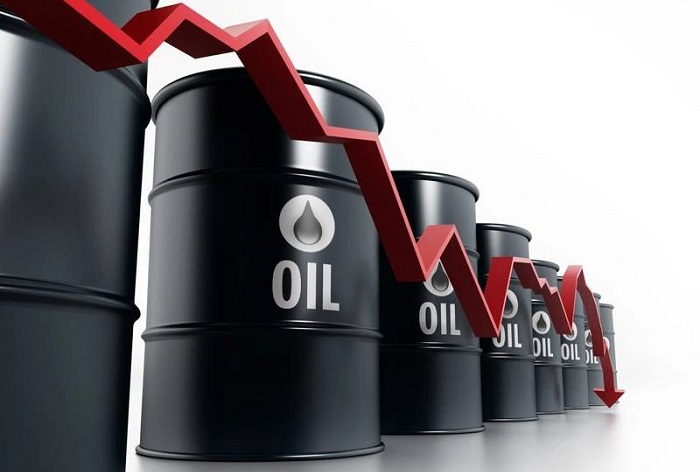
Oil prices fell sharply after the United States and Iran signed an interim peace agreement aimed at ending hostilities in the Middle East, easing fears of a wider regional conflict and reducing the geopolitical premium that had been pushing crude higher.
Brent crude dropped to around €67,51 per barrel, while West Texas Intermediate fell near €64,76, reaching their lowest levels since the start of the conflict. The move reflected a rapid shift in market sentiment: traders moved from pricing in disruption risks to anticipating a gradual normalization of supply routes.
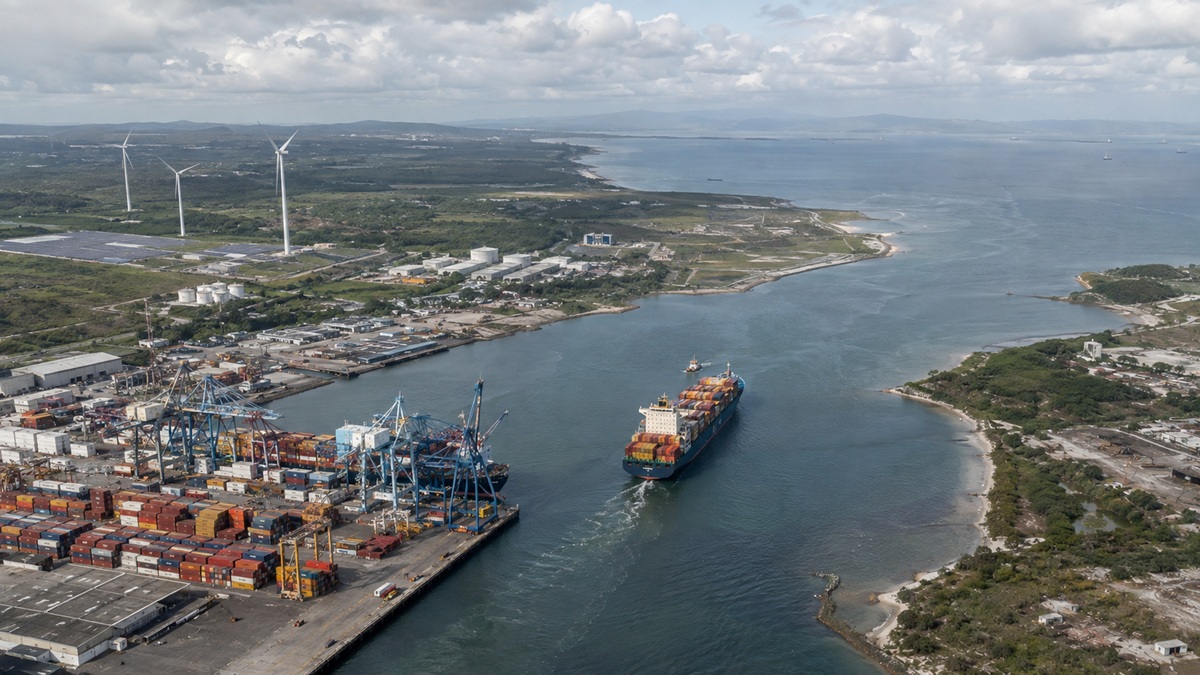
The key factor is the Strait of Hormuz, one of the world’s most strategic energy chokepoints. The agreement includes a framework to restore traffic through the waterway, which had become a major source of volatility for oil, shipping and insurance markets during the escalation.
For Europe, the development is especially relevant. Lower crude prices can ease pressure on fuel costs, industrial margins and inflation expectations at a time when central banks remain cautious about energy shocks. The decline also offers relief to import-dependent economies that had been exposed to renewed Middle East instability.
The agreement does not remove all risks. The memorandum opens a 60-day negotiation period and leaves several sensitive issues unresolved, including Iran’s nuclear program, sanctions, export waivers and verification mechanisms. That means the market is not treating the deal as a final peace settlement, but as a meaningful de-escalation signal.
Analysts expect oil flows to recover gradually rather than immediately. Even if maritime traffic through Hormuz resumes, shipowners, insurers and refiners will likely wait for evidence that the ceasefire is holding before returning fully to pre-war patterns.
Iran’s potential return to higher export volumes is another factor weighing on prices. If sanctions waivers are implemented and Tehran is allowed to increase sales, additional barrels could enter the market at a time when the International Energy Agency has already warned about the risk of oversupply.
The reaction also shows how much of the recent rally was driven by fear rather than fundamentals. During the conflict, crude markets priced in risks of supply disruption, attacks on energy infrastructure and the possible closure of Hormuz. Once those risks eased, prices adjusted quickly.
Still, the downside may be limited. Global inventories remain tight in some regions, demand in Asia continues to matter and any violation of the agreement could revive the risk premium. The market is likely to remain sensitive to every statement from Washington, Tehran and Gulf producers.
For now, the message is clear: diplomacy has changed the short-term direction of the oil market. The US-Iran deal lowered the temperature in the Middle East and pushed crude prices down, offering a temporary boost to consumers, importers and inflation-sensitive economies.
The next test will be implementation. If Hormuz reopens smoothly and Iranian exports recover under supervision, oil could stay under pressure. If the agreement falters, the same geopolitical risk that just disappeared from prices could return just as quickly.