
Latin America's Textile Industry Faces a New Era of Global Competition and Sustainable Transformation
The textile and apparel industry across Latin America is undergoing a profound transformation as manufacturers adapt to new sustainability standards, digitalization and shifting global supply chains.

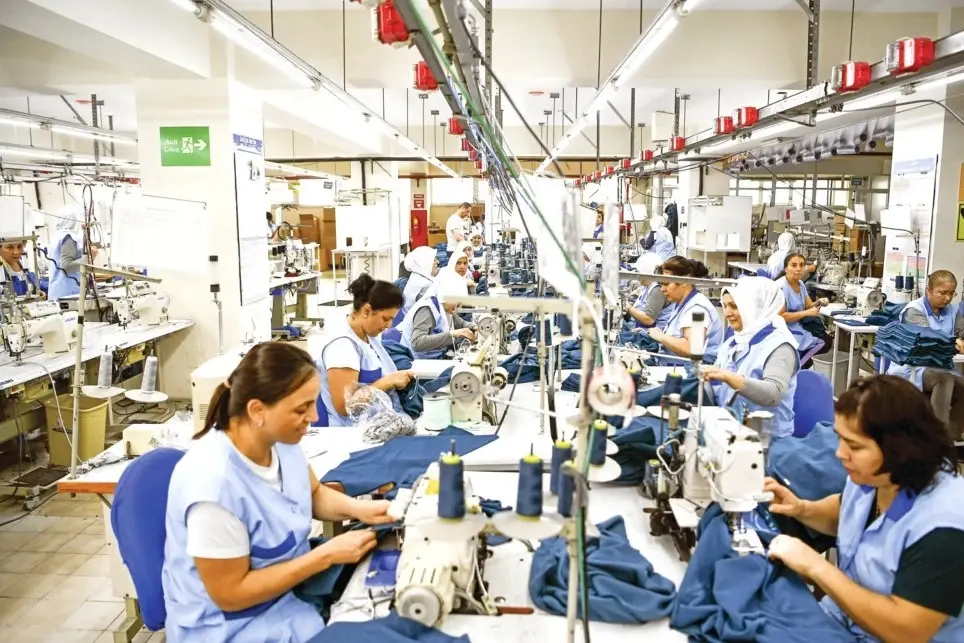
Latin America's textile sector is entering a decisive phase as manufacturers seek to modernize production, embrace sustainability and strengthen their position in an increasingly competitive global market.
Long regarded as an important source of apparel, fabrics and industrial textiles, the region now faces the challenge of balancing rising international competition with growing demand for environmentally responsible and technologically advanced production.
Countries including Brazil, Mexico, Colombia, Peru and Chile are investing in innovation, automation and circular economy initiatives to improve productivity while responding to changing consumer expectations and new regulatory requirements in international markets.
Sustainability has become one of the industry's main priorities.
Global fashion brands and retailers are increasingly demanding greater supply chain transparency, lower carbon emissions, responsible water management and improved labor standards throughout the manufacturing process.
For Latin American producers, meeting these expectations has become essential to maintaining access to major export markets, particularly in Europe and North America.
Digital transformation is also reshaping the sector.
Manufacturers are incorporating automation, artificial intelligence, data analytics and digital production technologies to increase efficiency, reduce waste and improve competitiveness.
These investments are helping companies move beyond cost-based competition toward higher-value production focused on quality, innovation and flexibility.
Another key challenge is the reconfiguration of global supply chains.
The rise of nearshoring and regional manufacturing is creating new opportunities for Latin American textile producers, particularly those capable of offering shorter delivery times and greater production resilience.
Mexico has strengthened its position through integration with North American manufacturing networks, while South American producers continue to differentiate themselves through specialized textiles, premium fibers and sustainable production models.
The European Union is also becoming an increasingly important partner as sustainability regulations reshape international trade.
New environmental and due diligence requirements encourage closer collaboration between European brands and suppliers capable of demonstrating responsible production practices.
This creates opportunities for Latin American companies that invest in traceability, renewable energy, recycling technologies and ethical sourcing.
Despite these opportunities, the sector continues to face structural challenges, including informal employment, rising production costs, limited access to financing and increasing competition from Asian manufacturers.
Addressing these issues will require greater investment in technology, workforce training and industrial modernization.
Industry leaders argue that the future competitiveness of Latin America's textile sector will depend not only on production capacity but also on innovation, sustainability and the ability to integrate into global value chains with higher value-added products.
For Europe and Latin America, stronger cooperation in sustainable manufacturing, technological development and responsible supply chains could generate new trade and investment opportunities while supporting the transition toward a more circular and resilient global fashion industry.
As environmental standards become a defining factor in international commerce, Latin America's textile industry is positioning itself to compete not simply on cost, but on quality, innovation and sustainable production.