Uruguay Warns Europe: Ratify the EU–Mercosur Agreement or Risk Losing Ground to China
Montevideo says the trade deal is no longer just about tariffs, but about Europe’s strategic influence in South America.

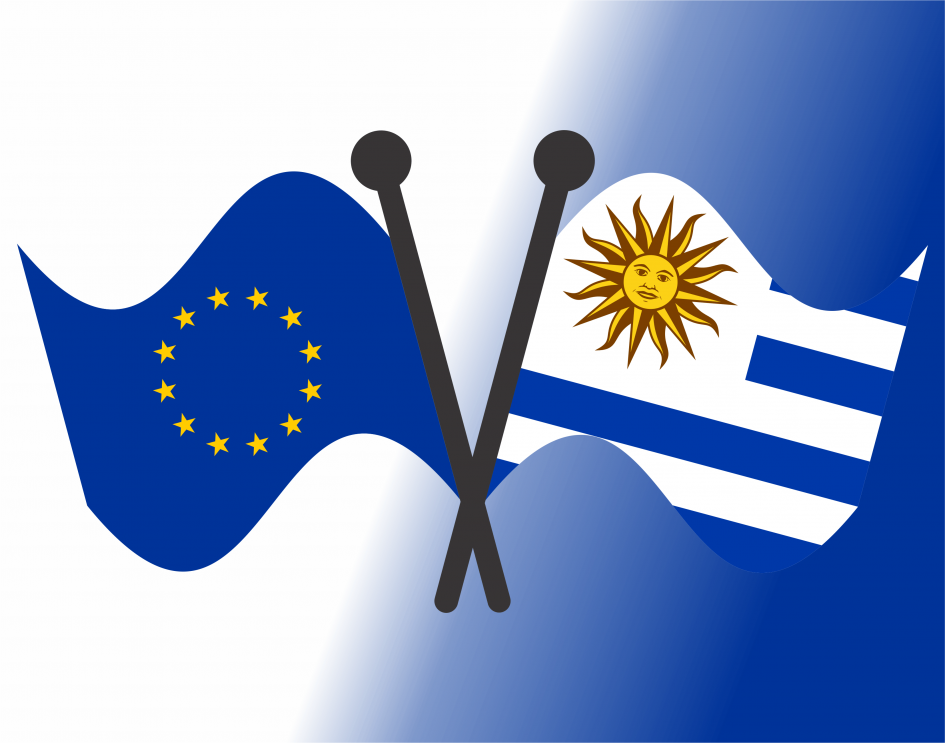
Uruguay has urged the European Union to complete the ratification of the EU–Mercosur trade agreement, warning that delays could weaken Europe’s position in South America at a time when China and other global powers are rapidly expanding their influence in the region.
Uruguayan Foreign Minister Mario Lubetkin delivered the message during a visit to Brussels, shortly after Uruguay assumed the rotating presidency of Mercosur. For Montevideo, the agreement represents a historic opportunity to deepen economic ties between Europe and South America after more than two decades of negotiations.
The Mercosur countries — Argentina, Brazil, Paraguay and Uruguay — have already moved forward with their side of the process. Lubetkin stressed that the bloc acted quickly and with unusual political consensus, despite ideological differences among its governments.
In Europe, however, the ratification process remains blocked by political and legal uncertainty. The European Parliament has requested an opinion from the Court of Justice of the European Union on the legal structure of the agreement and its provisional application, a procedure that could delay final approval for more than a year.
For Uruguay, the timing matters. Lubetkin said Mercosur cannot wait indefinitely while Brussels resolves its internal debate. As president of the bloc, Montevideo plans to organize the first EU–Mercosur trade forum in December and continue working with European trade officials to deepen cooperation even before the agreement is fully ratified.
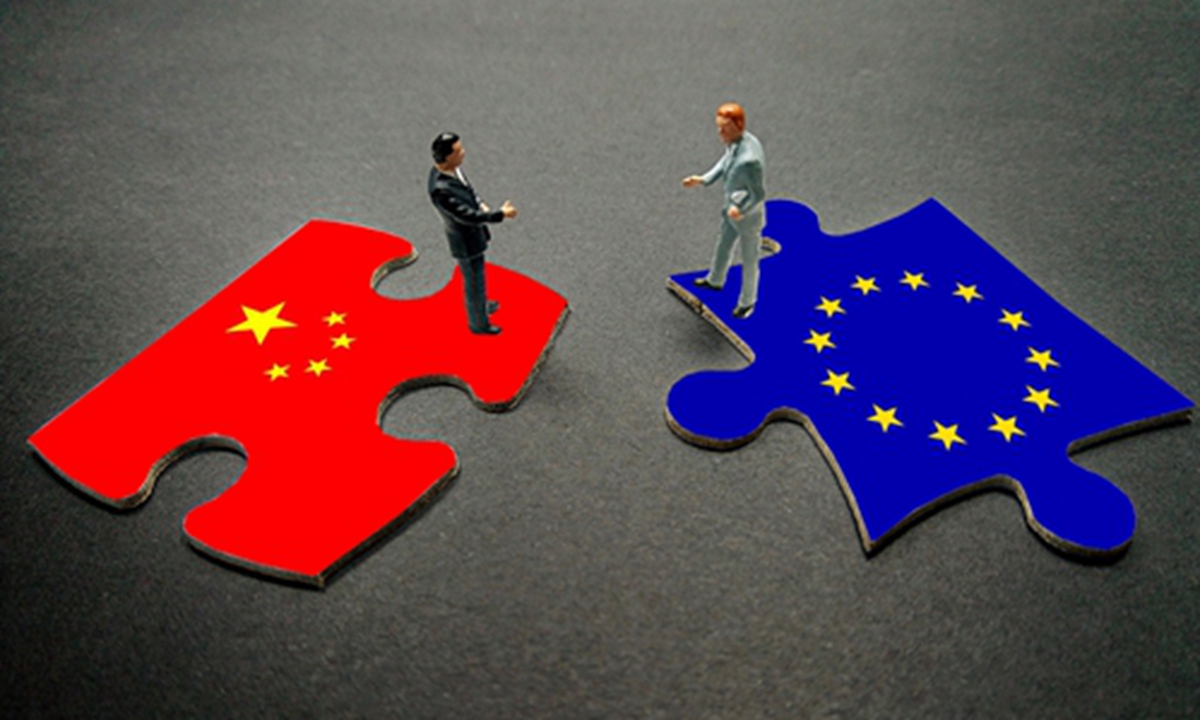
The warning comes in a rapidly changing geopolitical landscape. China has become Uruguay’s largest trading partner over the past 14 years, while Europe remains the country’s main source of investment. The United States, meanwhile, continues to dominate in services.
Rather than choosing between global powers, Uruguay is seeking to expand ties with all of them. But Lubetkin’s message to Europe was direct: if the EU fails to move forward, Mercosur will continue opening doors elsewhere.
The agreement is increasingly viewed in South America as a test of Europe’s ability to act strategically in a multipolar world. For the European Union, ratification would strengthen access to a market of more than 700 million consumers, expand opportunities for European companies and reinforce long-term partnerships in agriculture, energy, infrastructure, technology and critical supply chains.
For Mercosur, the deal could attract investment, improve market access and help diversify trade relationships beyond China and the United States.
The debate also reflects a broader question: whether Europe wants to remain a central economic partner for South America or allow other powers to define the region’s next phase of integration.
As Lubetkin put it, the agreement is a “win-win” opportunity. But the window may not remain open forever.