Euro Area Trade Deficit Widens to €16.1 Billion as Imports Surge
August 2026 saw the euro area’s trade in goods deficit balloon to €16.1 billion, driven by rising imports and a reversal in the machinery and vehicles balance, according to Eurostat.

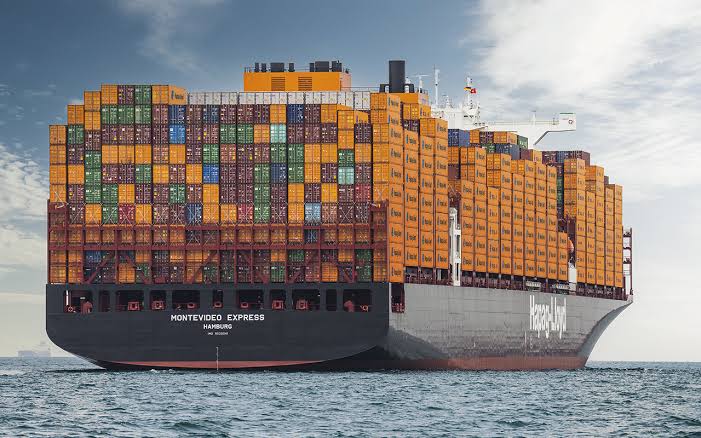
The euro area recorded a sharp goods trade deficit of €16.1 billion in August 2026, according to preliminary figures from Eurostat, marking a significant deterioration from a deficit of €1.7 billion a year earlier.
The widening gap was underpinned by a surge in imports, which climbed 16.7% year-on-year to €243.8 billion. Exports also increased, rising 9.9% to €227.7 billion, but the pace of import growth outstripped export gains by a wide margin.
The latest figures highlight a reversal from July 2026, when the euro area posted a €10.7 billion trade surplus, illustrating the volatility that has characterised the bloc’s trade performance in recent months.
A key driver was the shift in the machinery and vehicles sector. The balance swung from a €7.2 billion surplus in August 2025 to a €0.7 billion deficit in August 2026, reflecting increased dependence on foreign suppliers for critical industrial components and finished products. This reversal signals mounting challenges for the region’s manufacturing competitiveness.
The energy deficit also widened further, reaching €26.7 billion compared to €21.3 billion a year earlier, sustaining pressure on the euro area’s external accounts amid persistently high import volumes.
From January to August 2026, the cumulative trade deficit reached €5.4 billion, a marked contrast to the €90.9 billion surplus recorded during the same period in 2025. The trend underscores growing structural imbalances as import demand continues to outpace export performance.
For companies and investors, the data flags risks to domestic industries exposed to international competition, particularly in strategic sectors like machinery and vehicles. Rising import costs could also feed into broader inflationary pressures across the euro area.
Policy implications are significant. The reversal in trade fortunes may prompt renewed focus on industrial policy and trade agreements as the bloc seeks to support manufacturing and rebalance external accounts. The EU as a whole also reported a trade deficit of €25.2 billion in August, highlighting systemic pressures that could shape economic policy priorities in the months ahead.
Analysts will be watching closely for further data on sectoral impacts and national responses as euro area countries assess strategies to address the widening deficit and restore competitiveness.