Machinery and Chemicals Lead Decline as Euro Area Industrial Output Drops in August
Industrial production in the euro area fell by 0.5% in August 2026, with machinery and chemicals among the hardest-hit sectors, as Eurostat signals a deepening slowdown.

Industrial production in the euro area dropped by 0.5% in August 2026, with the broader European Union seeing a 0.3% fall, according to new figures from Eurostat. The data mark the second consecutive monthly decline and point to a continued slowdown in the region’s industrial sector.
The contraction follows a 0.3% decrease in the euro area and a 0.4% drop in the EU during July, underlining persistent weakness. Year-on-year, output was down 1.1% in the euro area and 0.2% across the EU compared to August 2025.
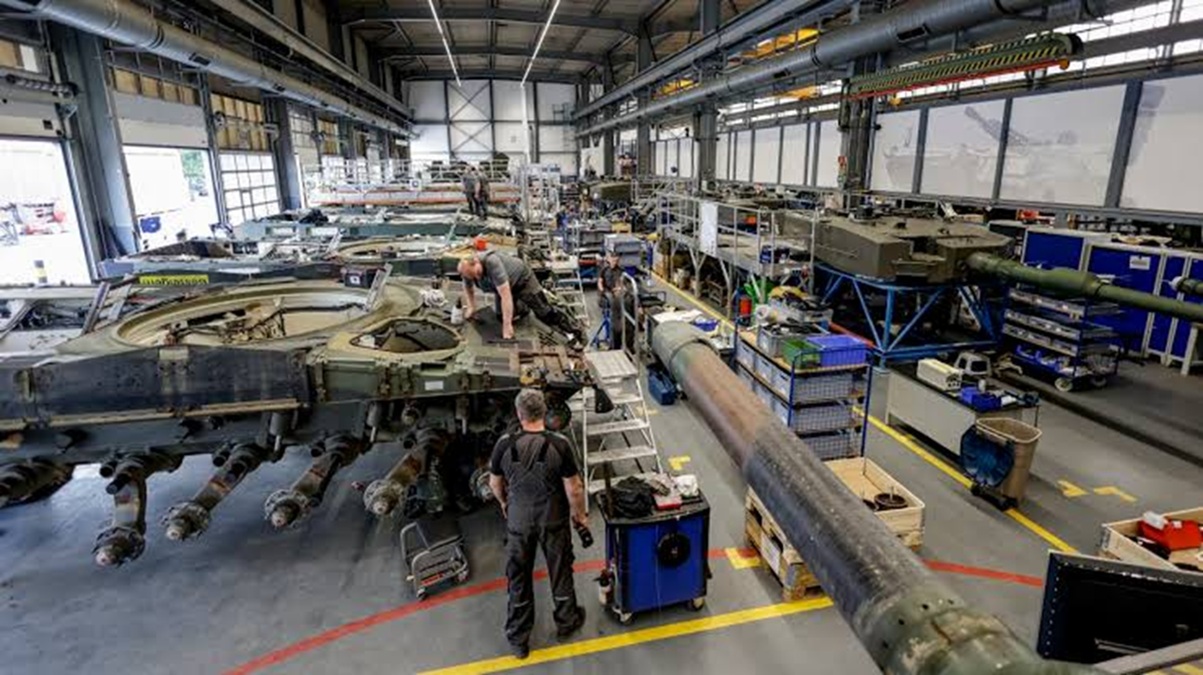
Machinery and equipment manufacturing, as well as chemical production, were among the sectors registering the largest declines, according to Eurostat’s breakdown. These segments are particularly sensitive to cyclical swings and global demand, and have acted as a drag on overall output as orders slow and inventories rise.
Among EU member states, Belgium posted the sharpest monthly decline at -5.1%, while Ireland recorded the steepest annual fall—-15.0% compared to August 2025—highlighting the vulnerability of export-oriented and multinational-driven industries. By contrast, Sweden showed resilience with a 6.5% monthly increase, reflecting more robust demand in select northern markets.
The declines in industrial production raise concerns for economic growth prospects across Europe. Sectors such as automotive, machinery, and chemicals are major employers and exporters, and sustained weakness could translate into job losses and reduced investment, particularly in countries with high industrial exposure.
Economists note that the production slump may weigh on business confidence and delay capital spending decisions, with potential spillovers for trade balances and manufacturing employment in the coming quarters. Policymakers may face mounting pressure to introduce measures aimed at boosting industrial competitiveness and supporting innovation, especially as recessionary risks build in parts of the euro area.
The outlook for the remainder of 2026 remains uncertain, with further production declines possible if external demand does not recover and if cost pressures persist in key sectors.