European Industrial and Energy Giants Increase Investments in China and India Despite Global Uncertainty
Major European corporations are expanding large-scale industrial and energy projects across Asia, underscoring the strategic importance of China and India in global manufacturing, infrastructure and energy transition plans.

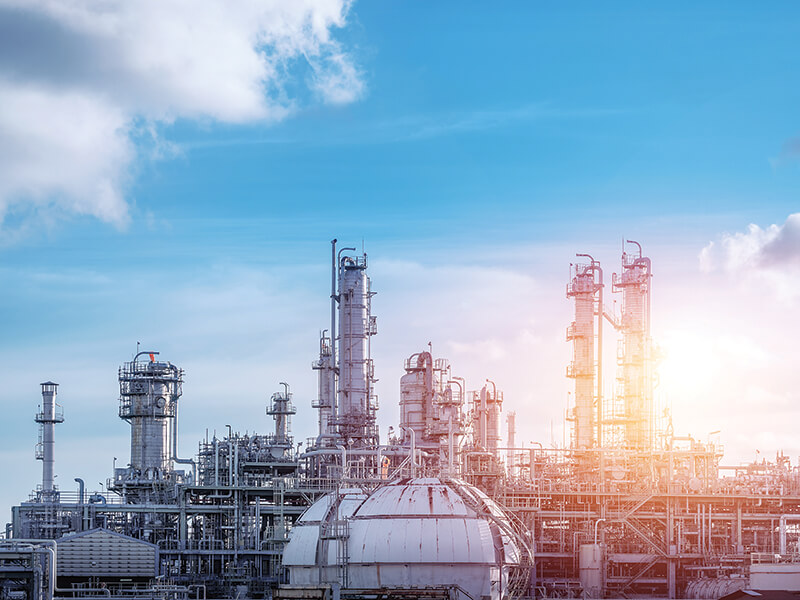
Several of Europe's largest industrial and energy companies are accelerating investments in China and India through major capital projects designed to support long-term growth, strengthen supply chains and expand access to some of the world's fastest-growing markets.
The new wave of investment demonstrates that, despite geopolitical tensions and ongoing discussions about economic diversification, Asia remains central to the global strategies of many European corporations.
China and India continue to attract significant capital due to their scale, industrial capacity, expanding consumer markets and increasing demand for energy, infrastructure and advanced manufacturing.
European companies are directing resources toward sectors such as renewable energy, chemicals, advanced materials, industrial production, energy infrastructure and sustainable manufacturing technologies.
The projects are part of broader efforts to capture growth opportunities linked to urbanization, industrial modernization and the global energy transition.
For energy companies, India has become particularly attractive as the country accelerates investments in renewable power, grid infrastructure and industrial decarbonization. China, meanwhile, remains a critical hub for manufacturing, clean technology supply chains and industrial innovation.
Business leaders argue that maintaining a presence in both markets is essential for competitiveness.
Together, China and India account for a substantial share of global economic growth and represent key markets for industrial products, energy solutions and technology deployment.
The trend also highlights the increasingly complex nature of globalization.
While governments in Europe seek to reduce strategic dependencies in certain sectors, corporations continue to pursue growth opportunities wherever demand, infrastructure and scale are available.
For Europe, these investments can help strengthen corporate revenues, expand international market access and support innovation through exposure to some of the world's most dynamic industrial ecosystems.
For Latin America, the development offers important lessons.
As European companies deploy capital across Asia, countries in Latin America are increasingly competing for similar investments in sectors such as renewable energy, critical minerals, advanced manufacturing and infrastructure.
The region's ability to attract future projects will depend on regulatory stability, access to talent, infrastructure quality and the creation of competitive business environments.
Ultimately, the expansion of European industrial and energy groups in China and India reflects a broader reality of the global economy: companies continue to balance geopolitical risks with the need to participate in the world's largest growth markets.
As energy transition investments, industrial modernization and technological innovation accelerate worldwide, competition for international capital is expected to intensify across every major region.