Volkswagen’s Major Shareholders Urge Swift Action to Restore Competitiveness
Volkswagen’s principal shareholders have intensified calls for decisive action to strengthen the automaker’s long-term competitiveness, backing management’s restructuring efforts as the company faces mounting pressure from rising production costs, slowing profitability and fierce competition from Chinese manufacturers. The debate comes at a critical moment as Europe's largest carmaker seeks to redefine its strategy for the coming decade.

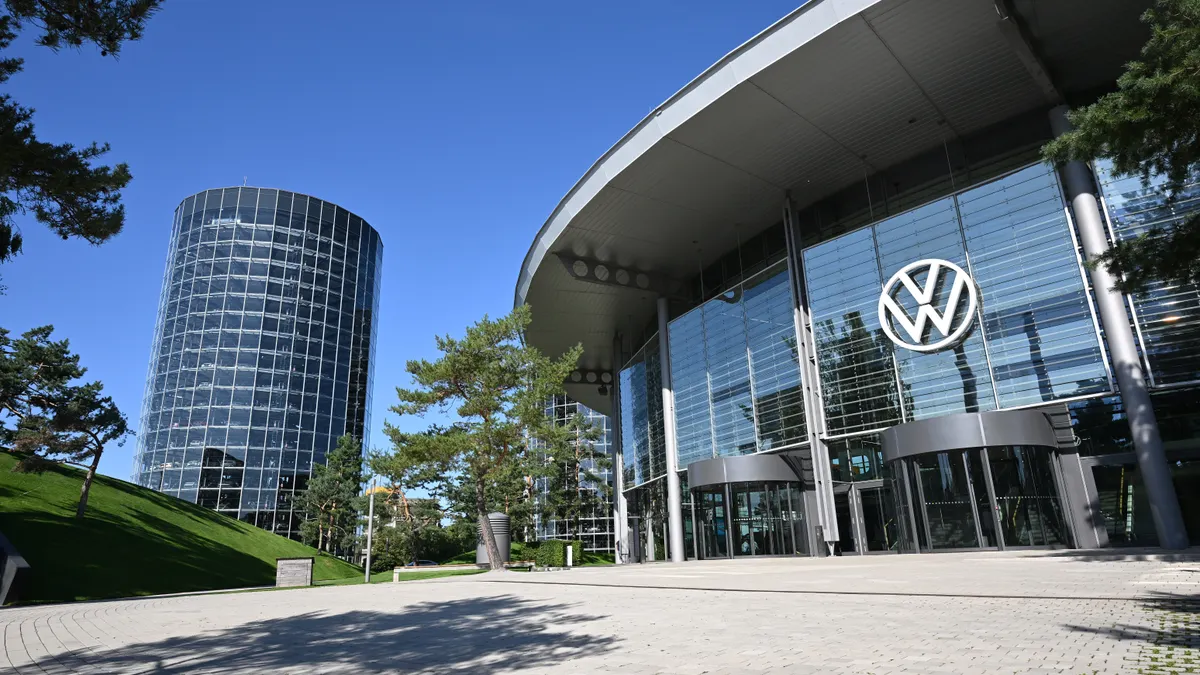
Volkswagen’s largest shareholders have publicly urged all stakeholders to support rapid decisions aimed at improving the company’s competitiveness, arguing that delaying structural reforms could further weaken the German automotive giant.
The message comes as Volkswagen continues to navigate one of the most challenging periods in its history, balancing the transition to electric mobility with increasing international competition and a more complex global trade environment.
The appeal reflects growing concern over Volkswagen’s ability to maintain its leadership in an industry undergoing profound transformation.
Management has proposed a broad restructuring programme focused on lowering costs, simplifying operations and improving productivity. The initiative is intended to strengthen the group's position against rapidly expanding Chinese automakers while addressing weaker margins in electric vehicles and higher operating expenses.
According to the company’s controlling shareholders, restoring competitiveness requires prompt decision-making and a willingness to consider a wide range of strategic options.
Executives argue that Europe’s automotive sector is entering a new competitive era in which efficiency, innovation and faster execution will determine long-term success. Delaying reforms, they contend, would only increase future challenges.
The restructuring proposals continue to face strong resistance from employee representatives and labour unions.
Worker organisations maintain that Volkswagen’s future should be built on investment in innovation, new products and technology rather than large-scale workforce reductions or factory closures. They have pledged to defend employment while participating in ongoing negotiations over the group's future direction.
Chinese competition reshapes the market
One of the principal drivers behind Volkswagen’s transformation is the rapid expansion of Chinese automotive manufacturers.
Chinese brands have become increasingly competitive in electric vehicles, battery technology and software, while also expanding their presence in European markets. At the same time, global trade tensions and higher production costs have placed additional pressure on traditional European manufacturers.
Volkswagen now faces the complex challenge of modernising its industrial footprint while preserving its long-standing role as one of Germany’s largest employers.
The company’s governance structure—which includes shareholders, labour representatives and the regional government of Lower Saxony—requires broad consensus for major strategic decisions, making negotiations particularly sensitive.
A defining moment for Europe's largest carmaker
The coming months are expected to be decisive for Volkswagen’s future.
As the company advances its transformation strategy, investors, employees and policymakers will closely monitor whether management can strike a balance between improving efficiency, protecting jobs and accelerating innovation.
The outcome will not only shape Volkswagen’s long-term competitiveness but could also influence the broader direction of Europe’s automotive industry as it adapts to a rapidly changing global market.