Eurozone inflation reaches 3.3% as energy costs raise pressure on the ECB
Energy prices accelerated in August, pushing inflation further above the European Central Bank’s target. However, a decline in core inflation complicates the case for sustained interest rate increases beyond the move markets expect in September.

Eurozone inflation rose to 3.3% in August, up from 2.9% in July, according to Eurostat’s preliminary estimate. The increase puts energy costs back at the centre of the monetary policy debate, even as price pressures elsewhere in the economy show signs of easing.
The figures leave the European Central Bank facing two different signals ahead of its September meeting: a higher headline inflation rate and a slowdown in the underlying measure used to assess how persistent price increases may become.
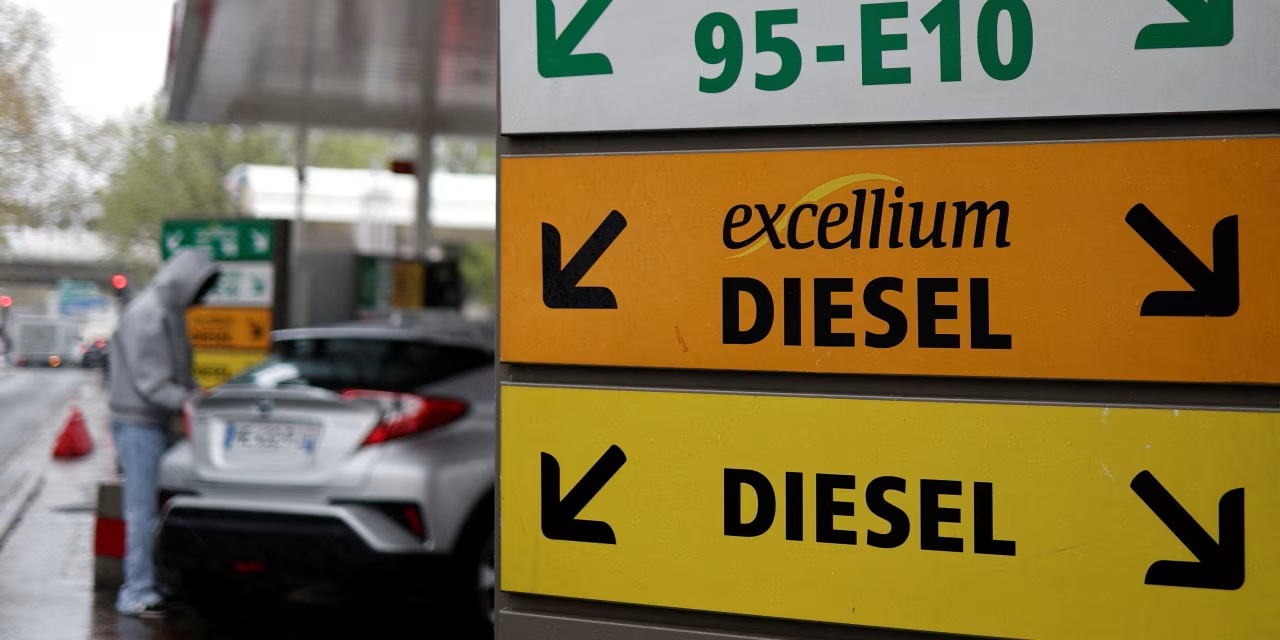
Energy prices were 14.3% higher than a year earlier, compared with an annual increase of 10.3% in July. Over the month alone, energy rose by 2.9%, while the overall consumer price index increased by 0.4%.
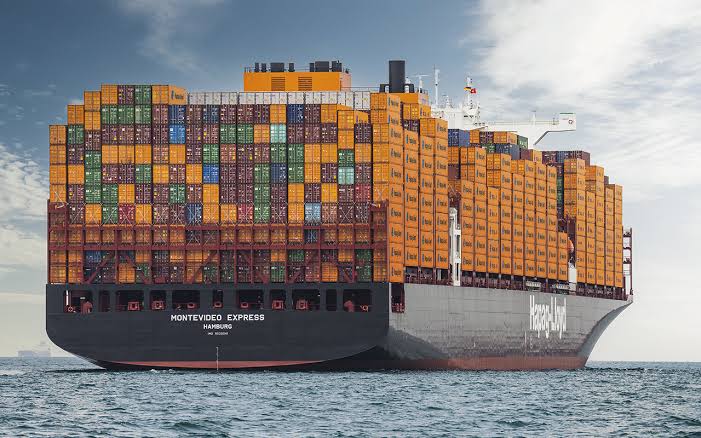
The acceleration comes amid the war in Iran and disruptions to shipping through the Strait of Hormuz, which have put upward pressure on international oil and gas prices.
In comments reported by Euronews, Leo Barincou, senior economist at Oxford Economics, linked the rebound in fuel prices to the renewed closure of the strait. He expects higher gas and food costs to keep inflation above target into next year.
However, August’s figures do not show an equally strong acceleration across the rest of the consumer basket.
Core inflation, which excludes energy, food, alcohol and tobacco, fell to 2.4% from 2.5%. Services inflation also slowed, dropping from 3.3% to 3.0%.
Food, alcohol and tobacco inflation remained at 1.2%, while price growth for non-energy industrial goods increased from 0.9% to 1.2%.
The divergence suggests that the energy shock has not yet produced a broad acceleration in underlying inflation. It does not, however, establish that businesses will absorb higher energy costs indefinitely or that further price increases can be ruled out.
National figures also differed. Among the largest eurozone economies, annual harmonised inflation reached 4.5% in Spain, 3.2% in Italy, 2.9% in Germany and 2.7% in France. Lithuania recorded the highest rate, at 5.8%, while Estonia had the lowest, at 1.3%.
For the ECB, the question is how much monetary tightening is needed to prevent the energy shock from becoming more persistent.
The central bank raised its three key interest rates by 25 basis points in June, taking the deposit facility rate to 2.25%, before leaving them unchanged in July. At that meeting, it warned that the full inflationary impact of the energy shock had yet to emerge.
Markets expect another quarter-point increase at the 10 September meeting, which would bring the deposit rate to 2.50%. That remains an expectation rather than an announced decision.
Barincou also anticipates a September increase but considers it premature to assume a third hike, given the comparatively contained underlying pressures.
The ECB’s June projections illustrate the competing risks. They put average inflation at 3.0% in 2026, with economic growth of 0.8%, reflecting the effects of the conflict on commodity prices, household purchasing power and confidence.
For businesses, that combination creates the risk of higher operating costs alongside more expensive financing. Energy-intensive companies may face pressure on margins, while weaker household purchasing power can limit their ability to pass those costs on.
The August release therefore strengthens the case for monitoring both energy prices and their transmission to other sectors. The headline increase alone does not establish how many further rate rises will be needed.
Eurostat will publish the full August inflation data on 17 September, after the ECB’s next monetary policy decision.